
Kids STEM Learning Through Exploration
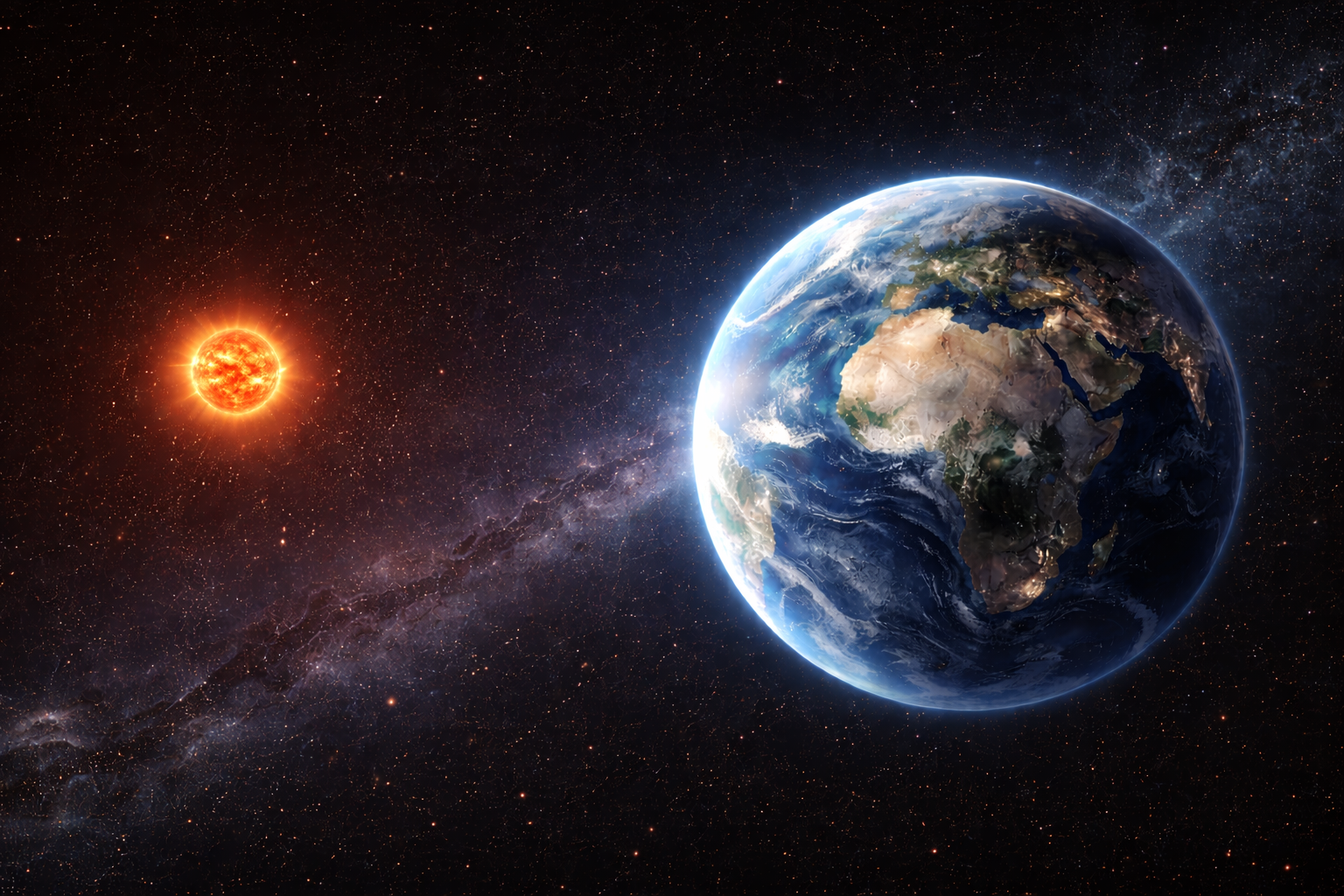
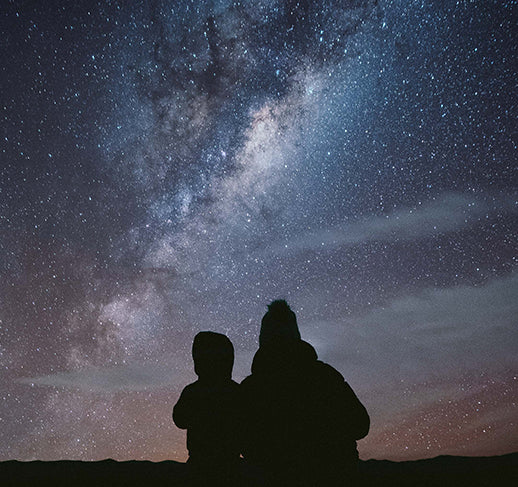
Astronomy has a unique ability to spark curiosity in young learners. When students observe the Moon, identify constellations, or see planets through a telescope, they begin asking the same questions scientists ask every day. Why does the Moon change shape? Why do planets move differently than stars? How far away are the objects we see in space? Exploring these questions naturally introduces students to science, technology, engineering, and mathematics.
Why Astronomy is a Powerful Kids STEM Learning Gateway
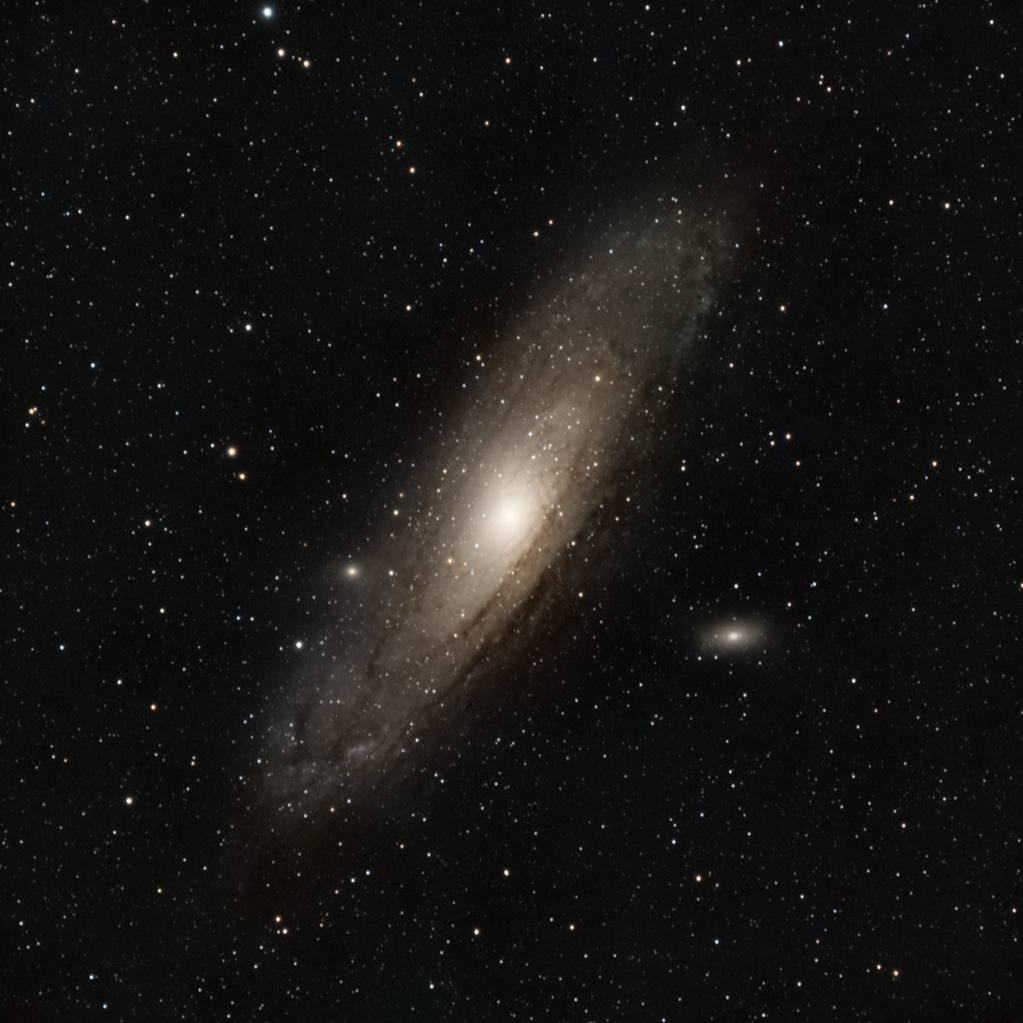
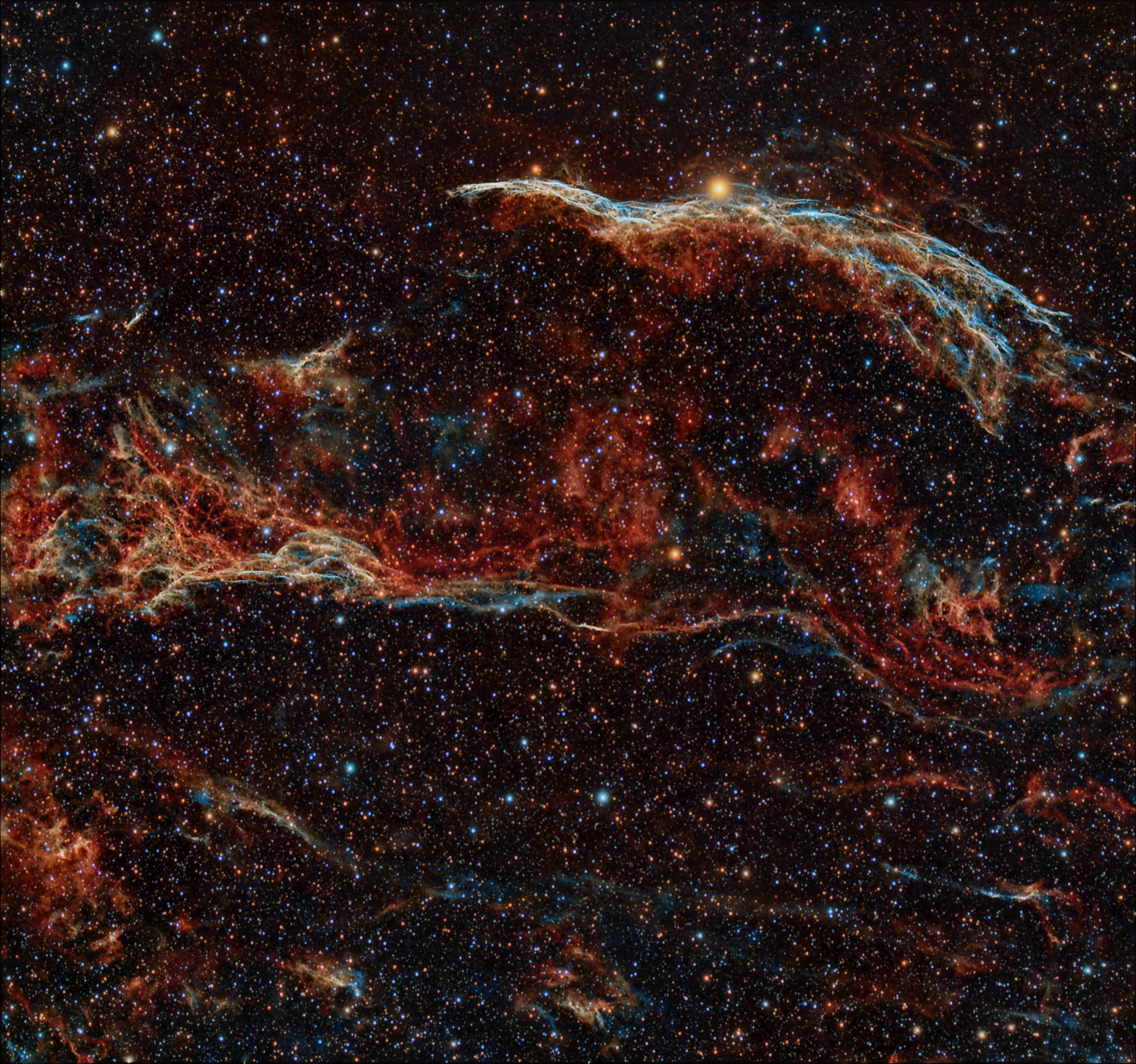
Astronomy connects scientific disciplines in a way that students can experience directly through observation. Physics explains gravity and planetary motion, mathematics explains distances and orbital patterns, engineering makes telescopes and spacecraft possible, and technology allows us to capture images of distant galaxies. Because astronomy combines so many fields of science, it is often used as an introduction to STEM education. When students explore the night sky, science becomes something they can observe and investigate themselves.
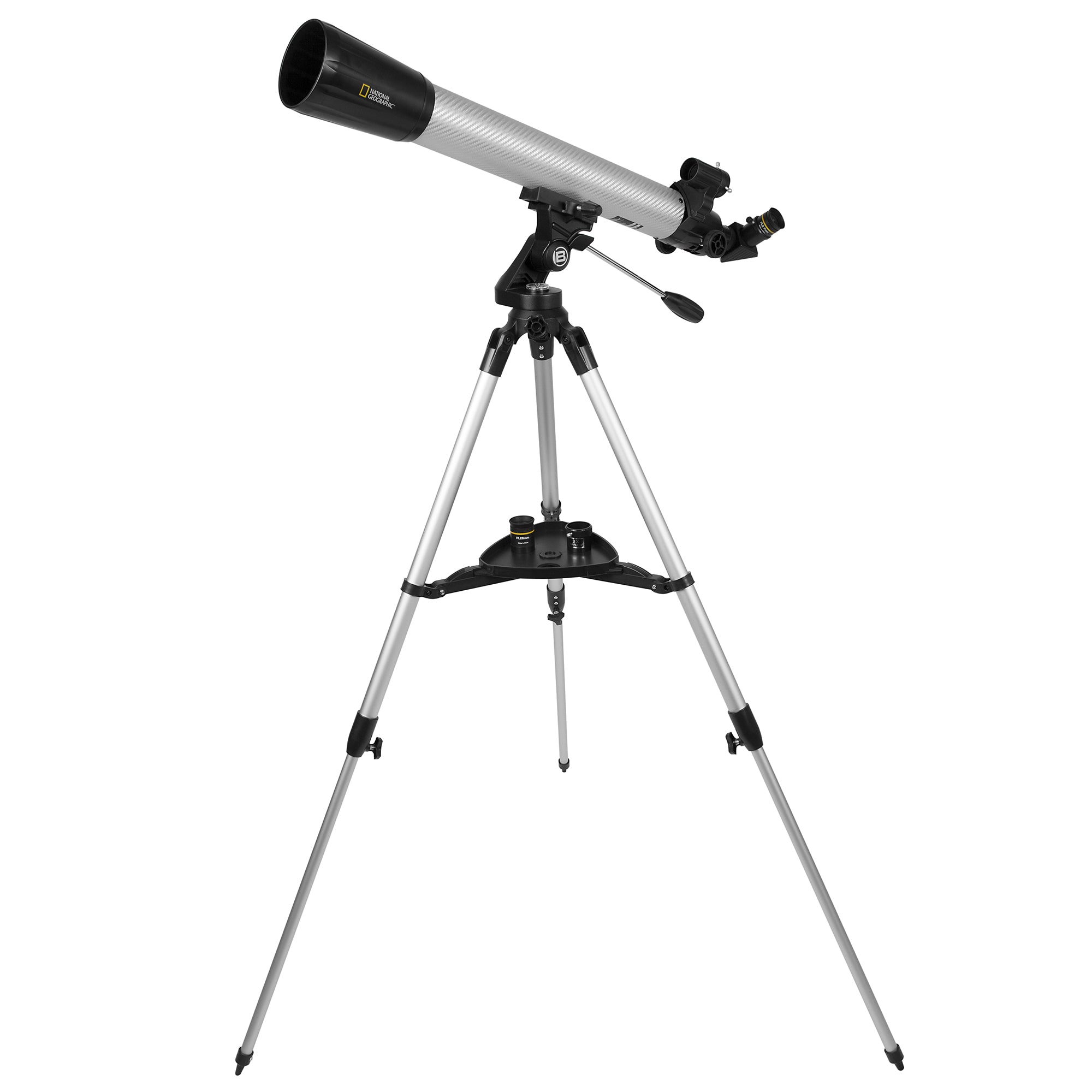
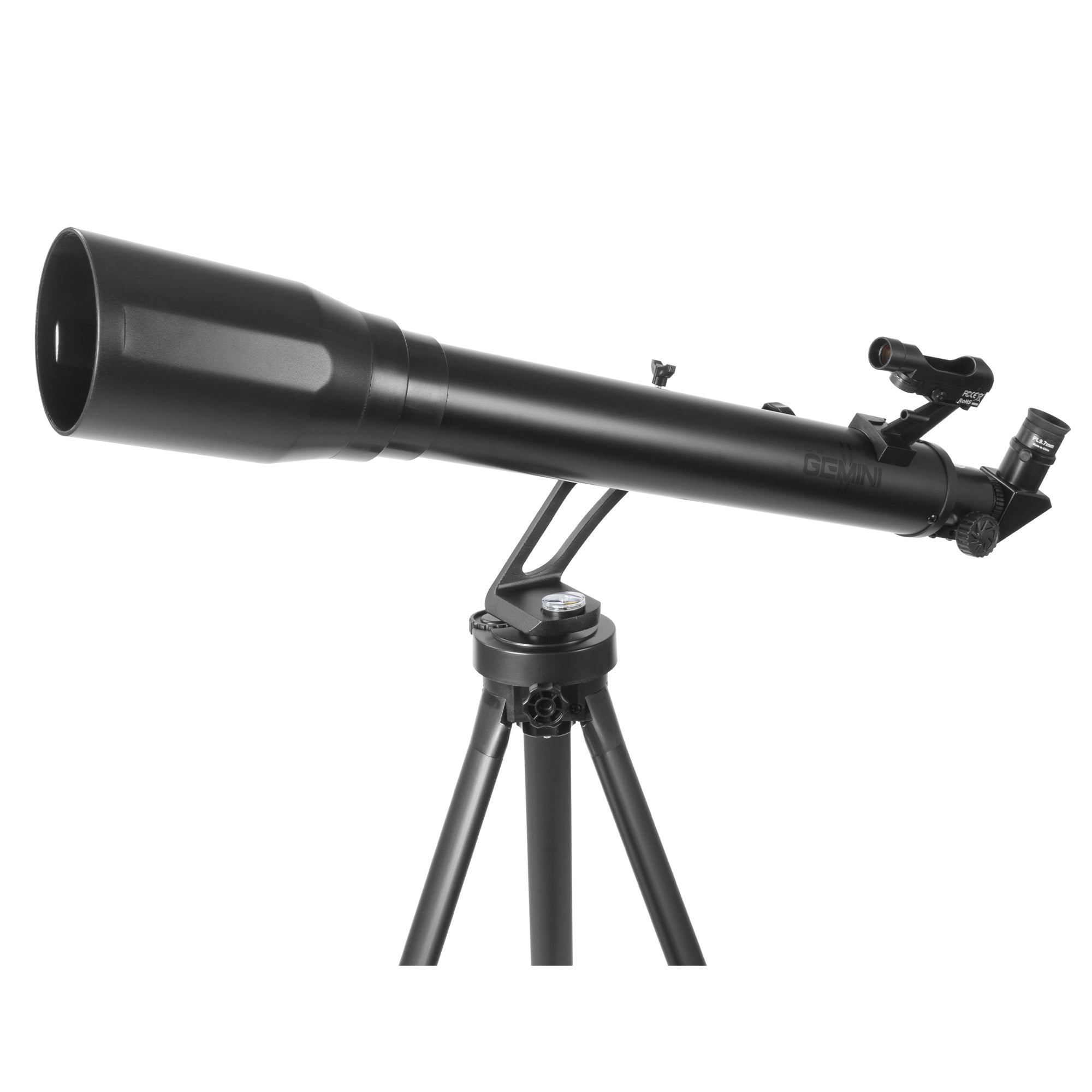
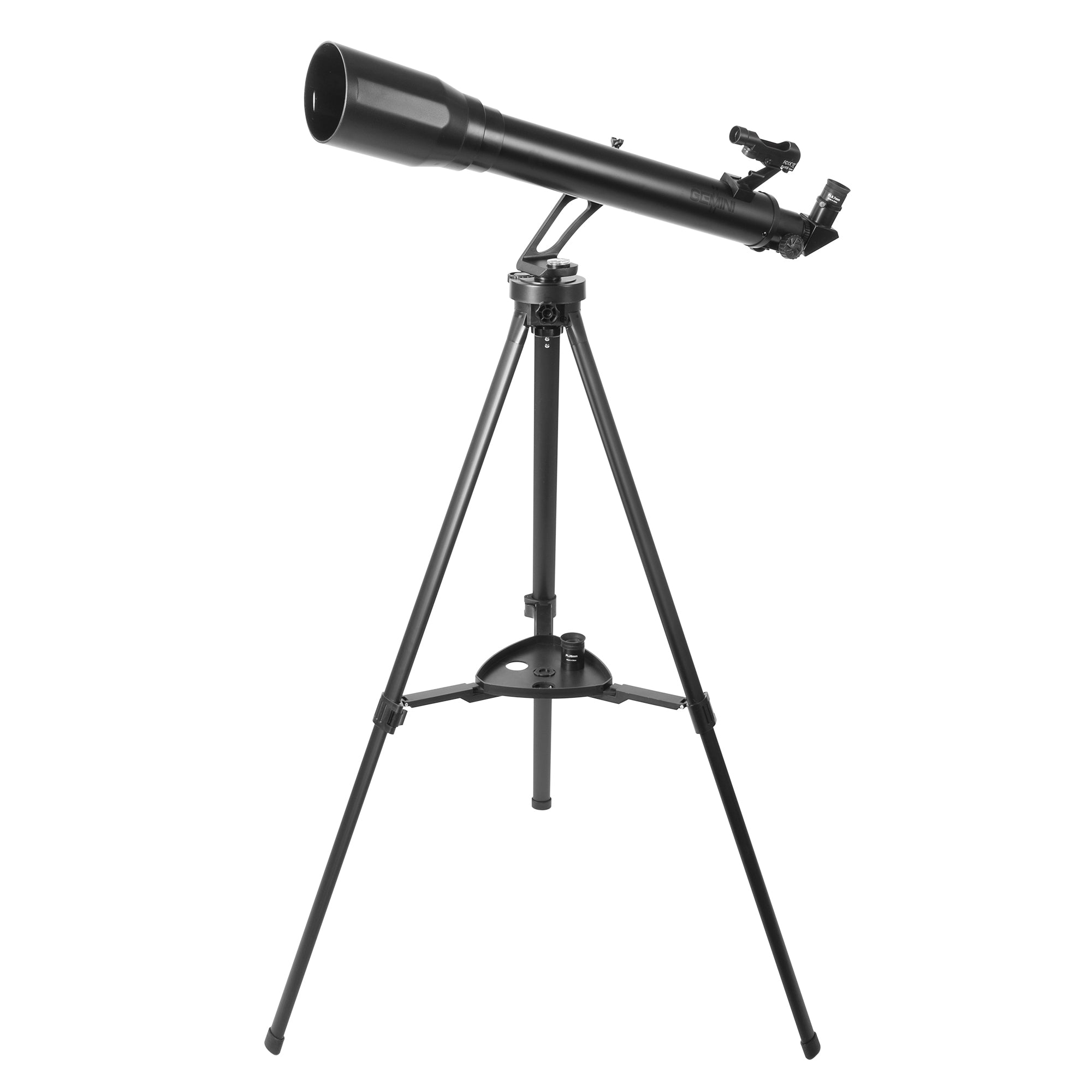
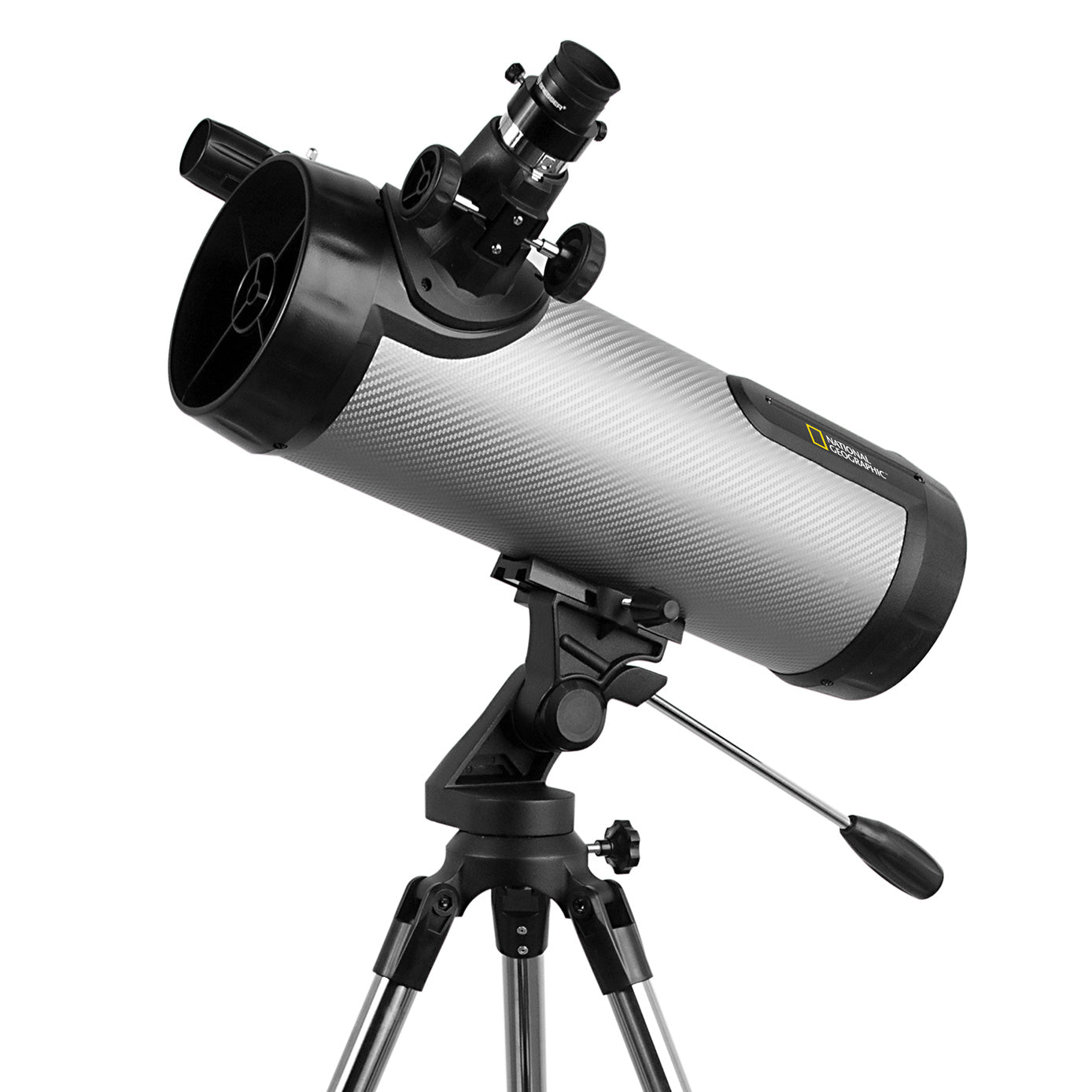
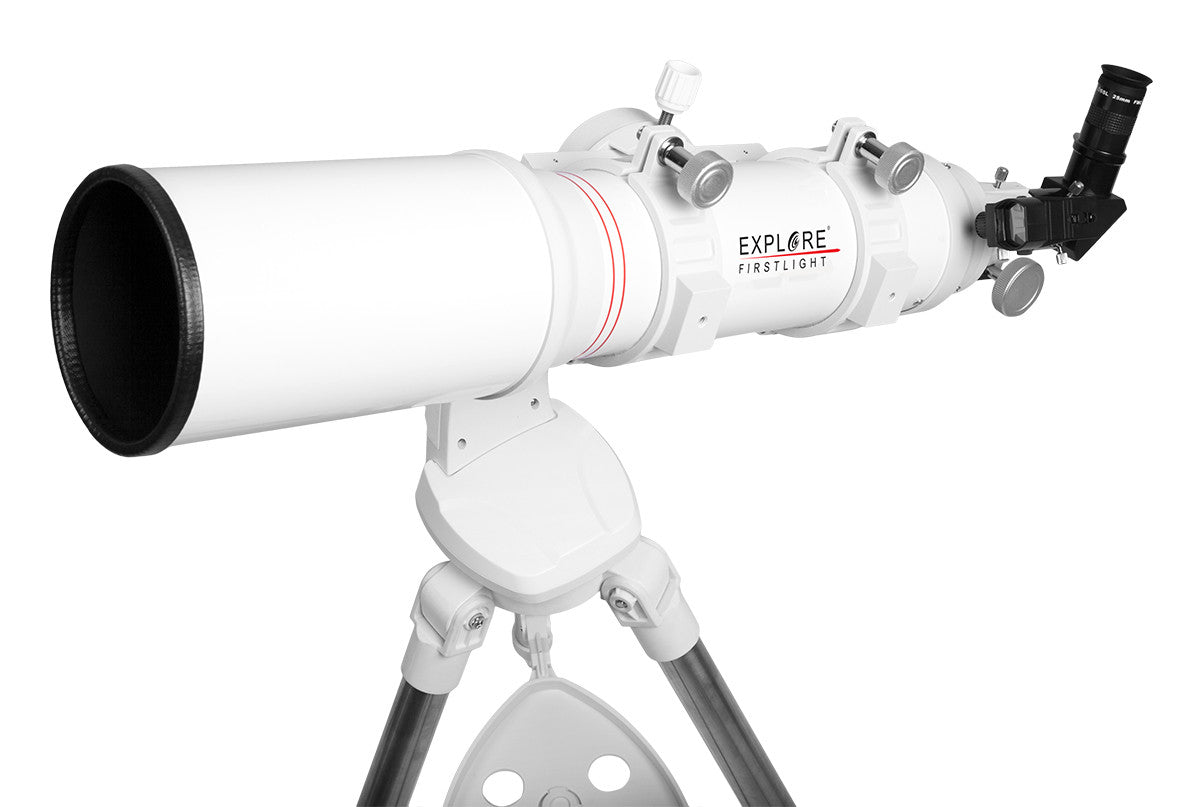
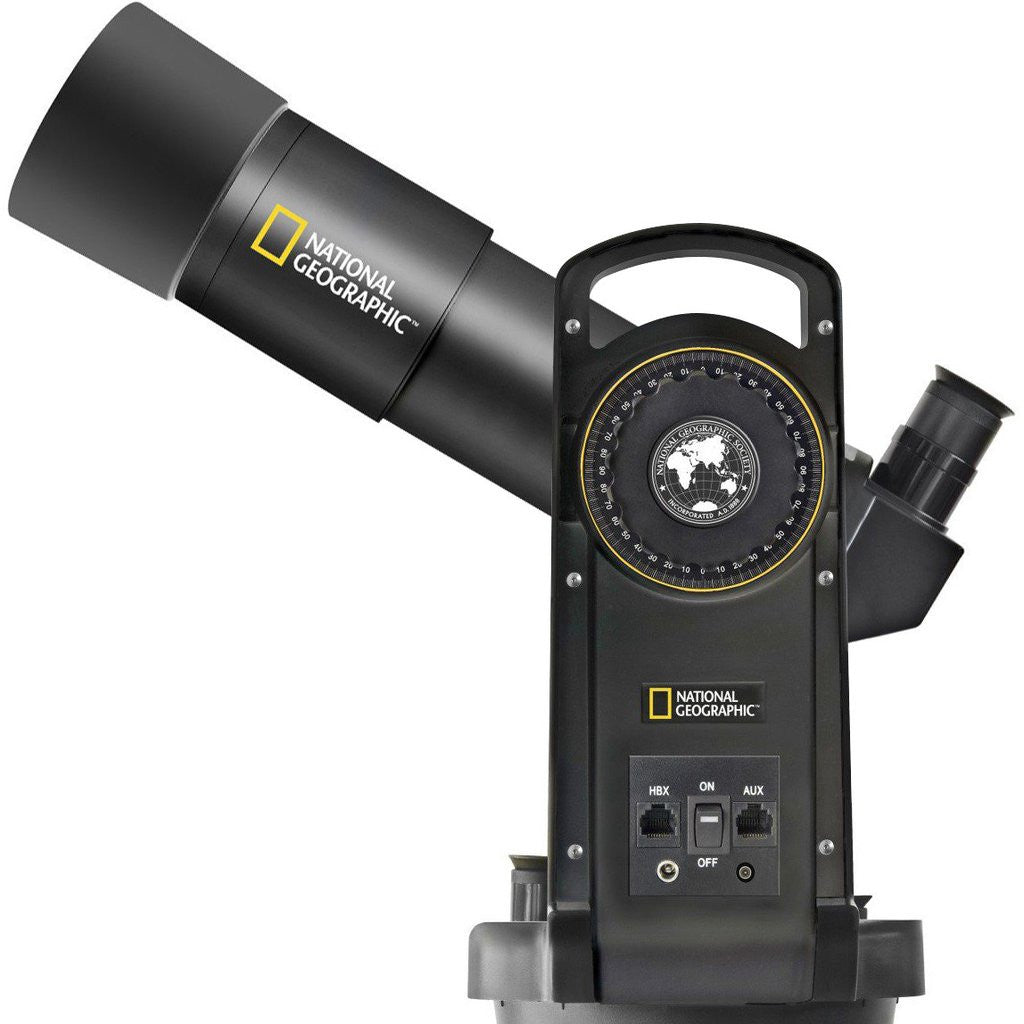
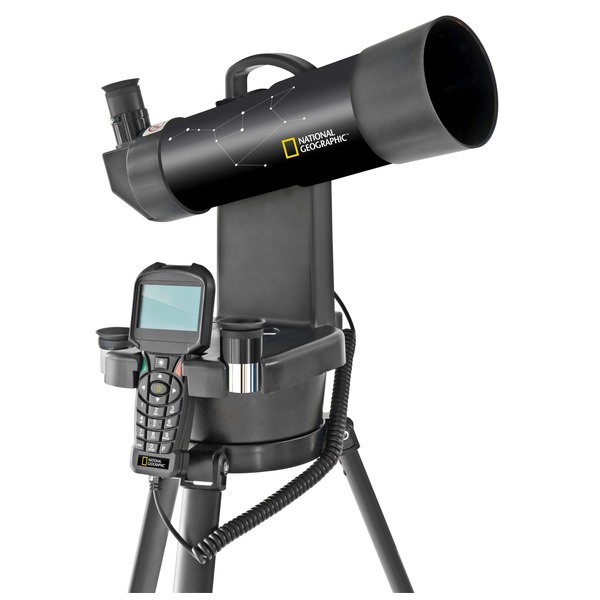
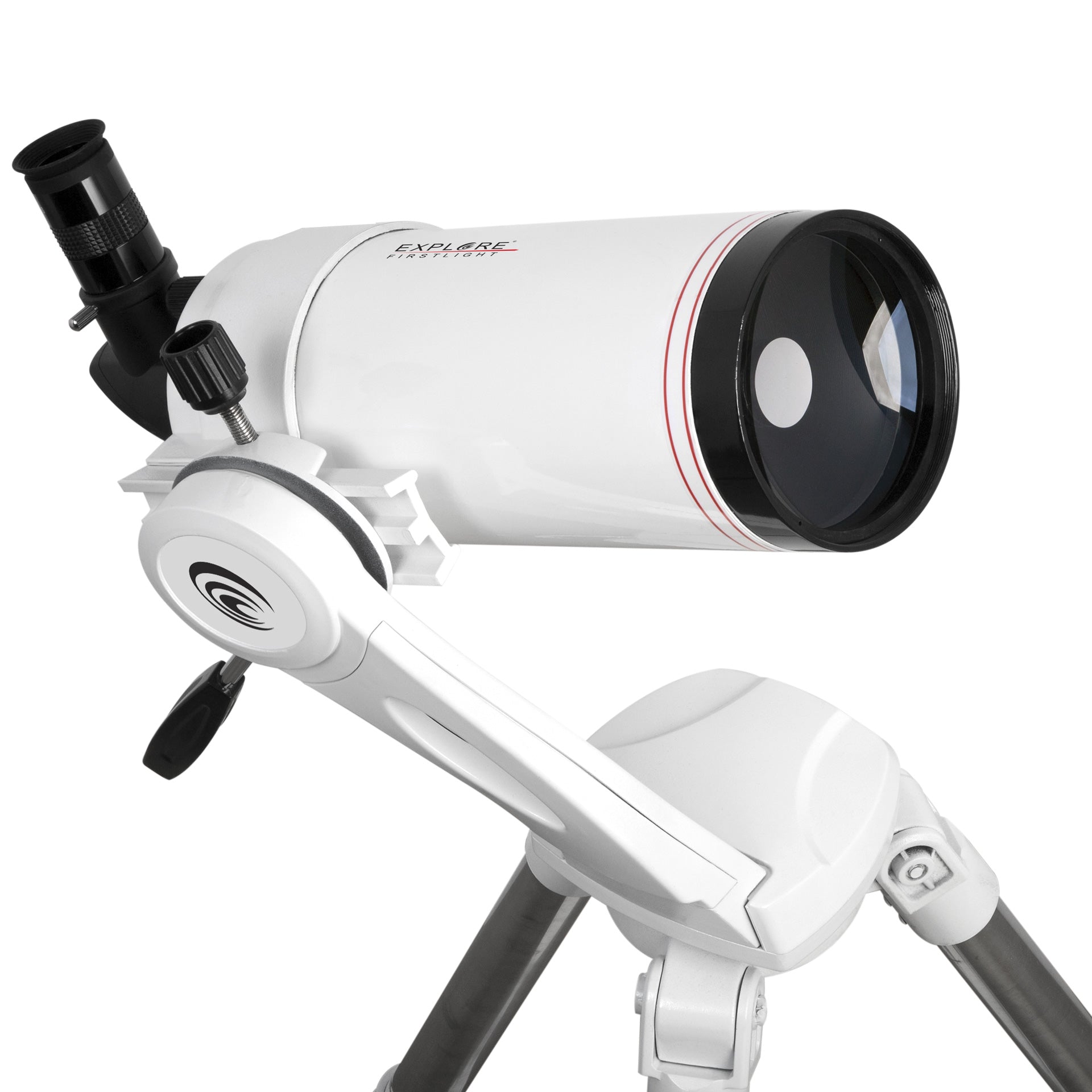
Beginner Astronomy Equipment
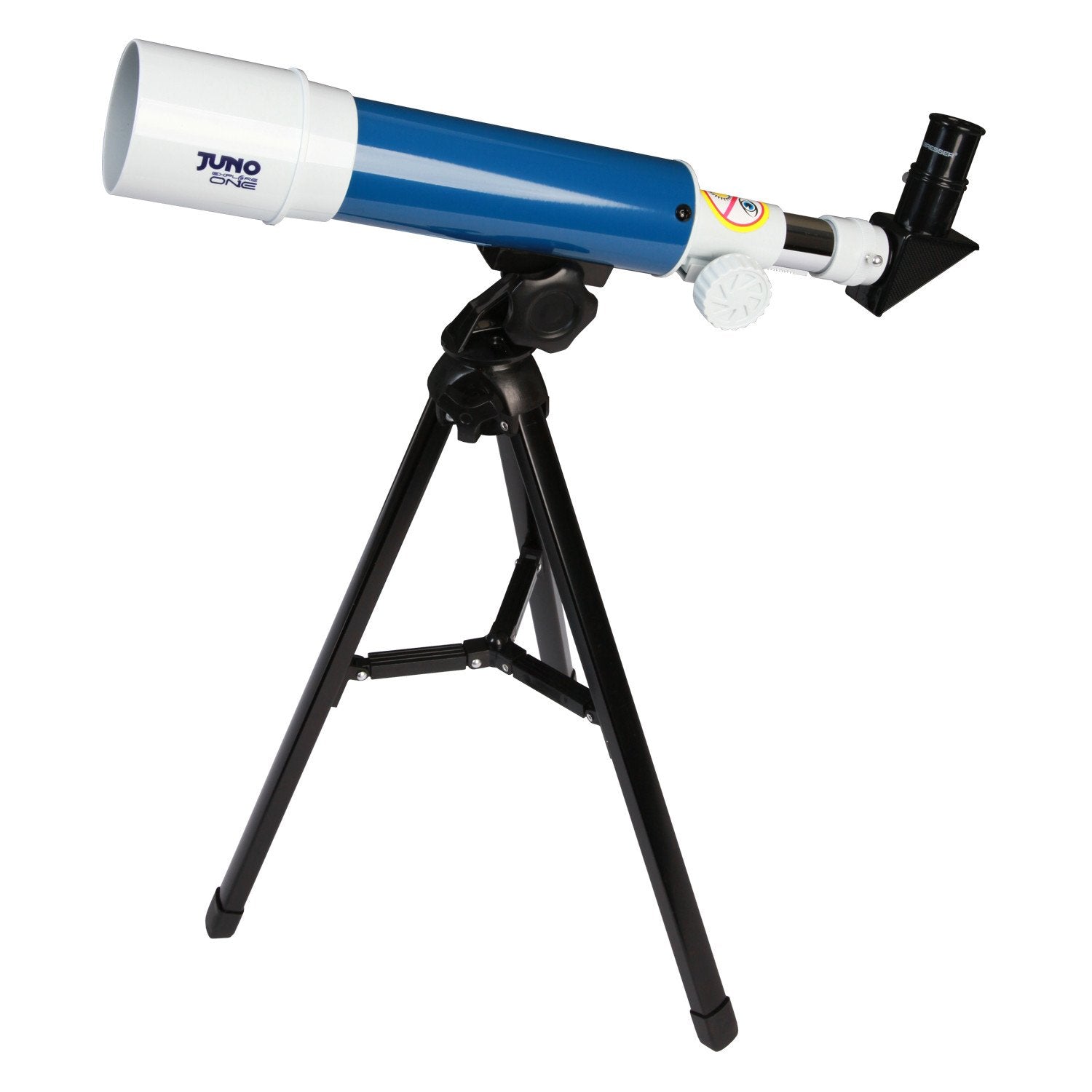


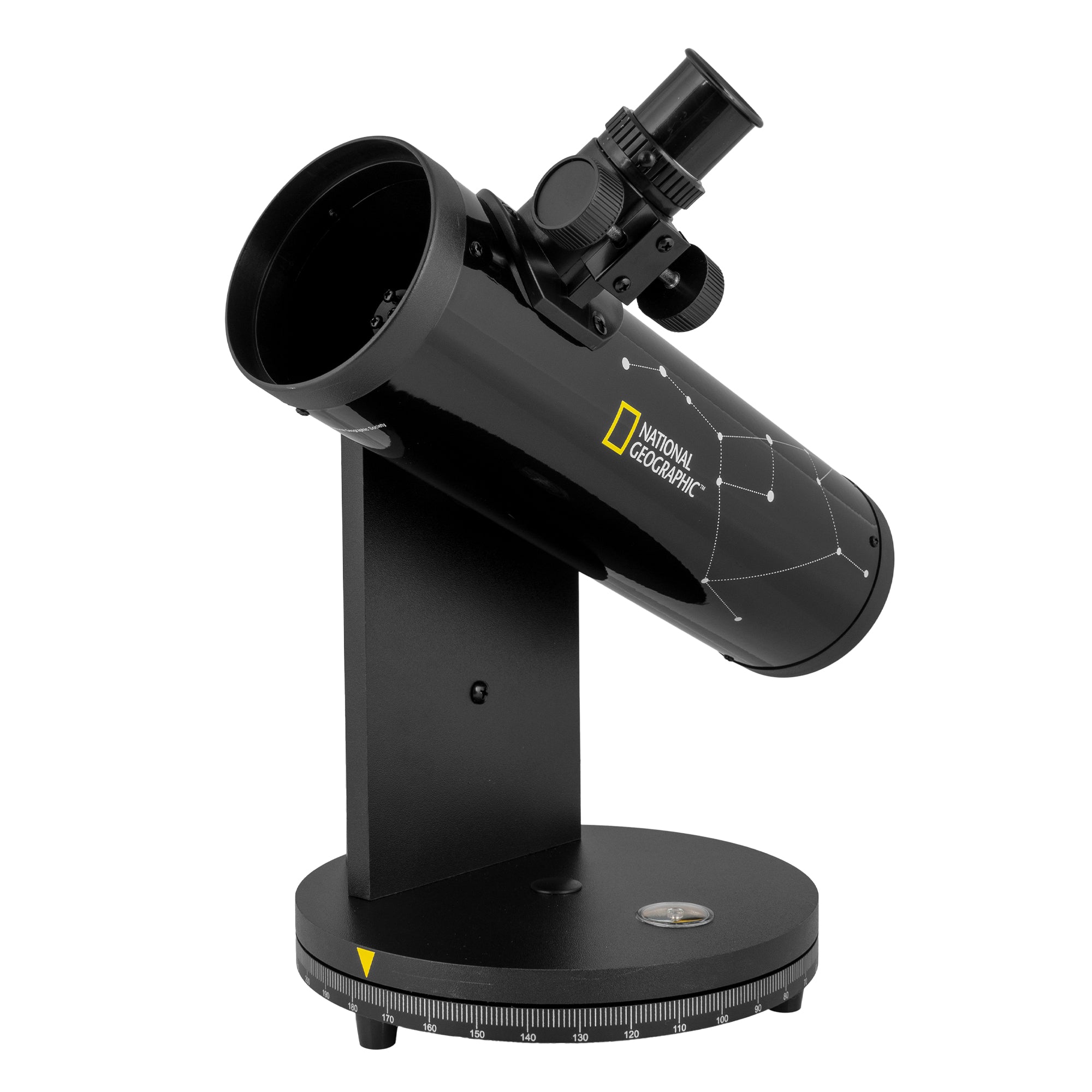
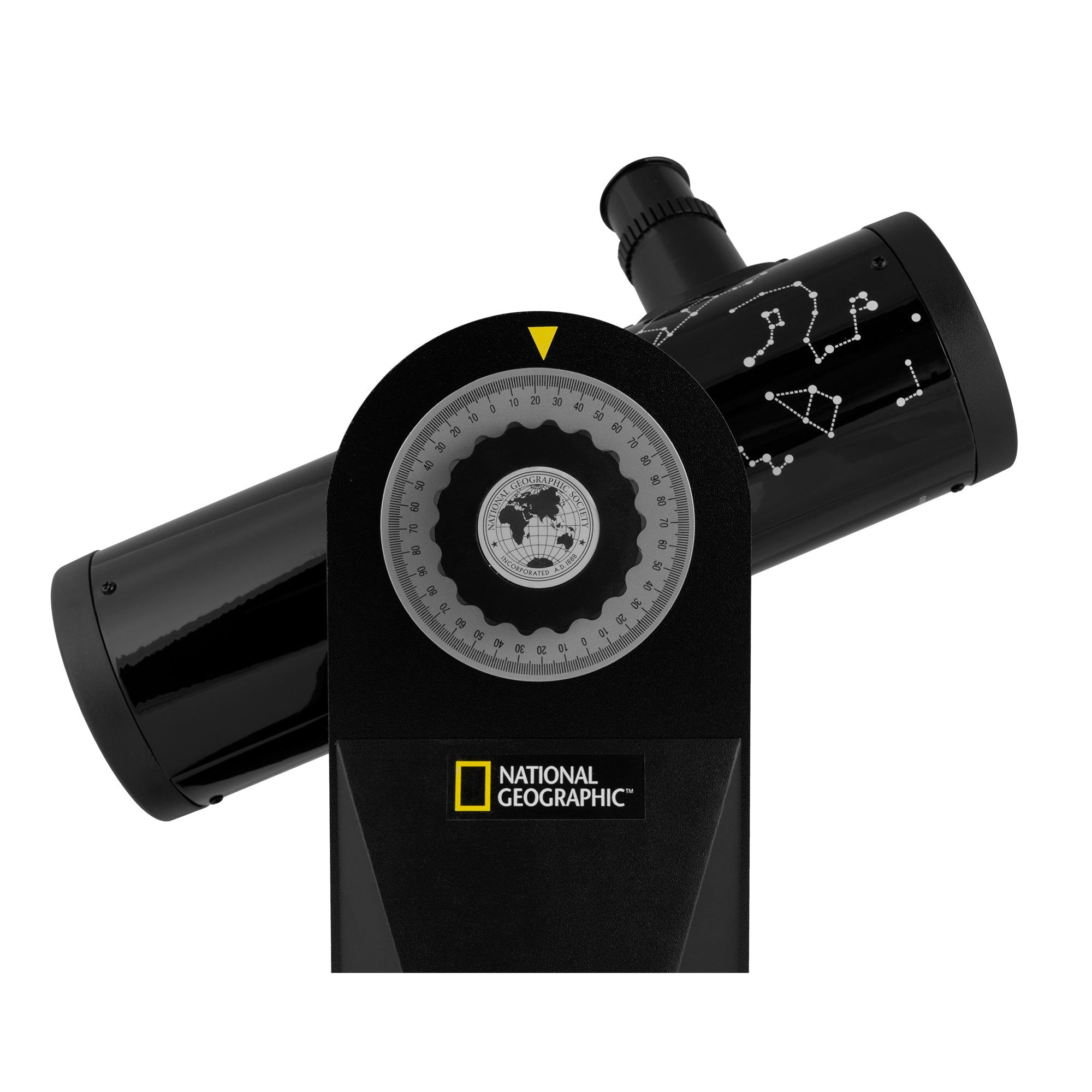
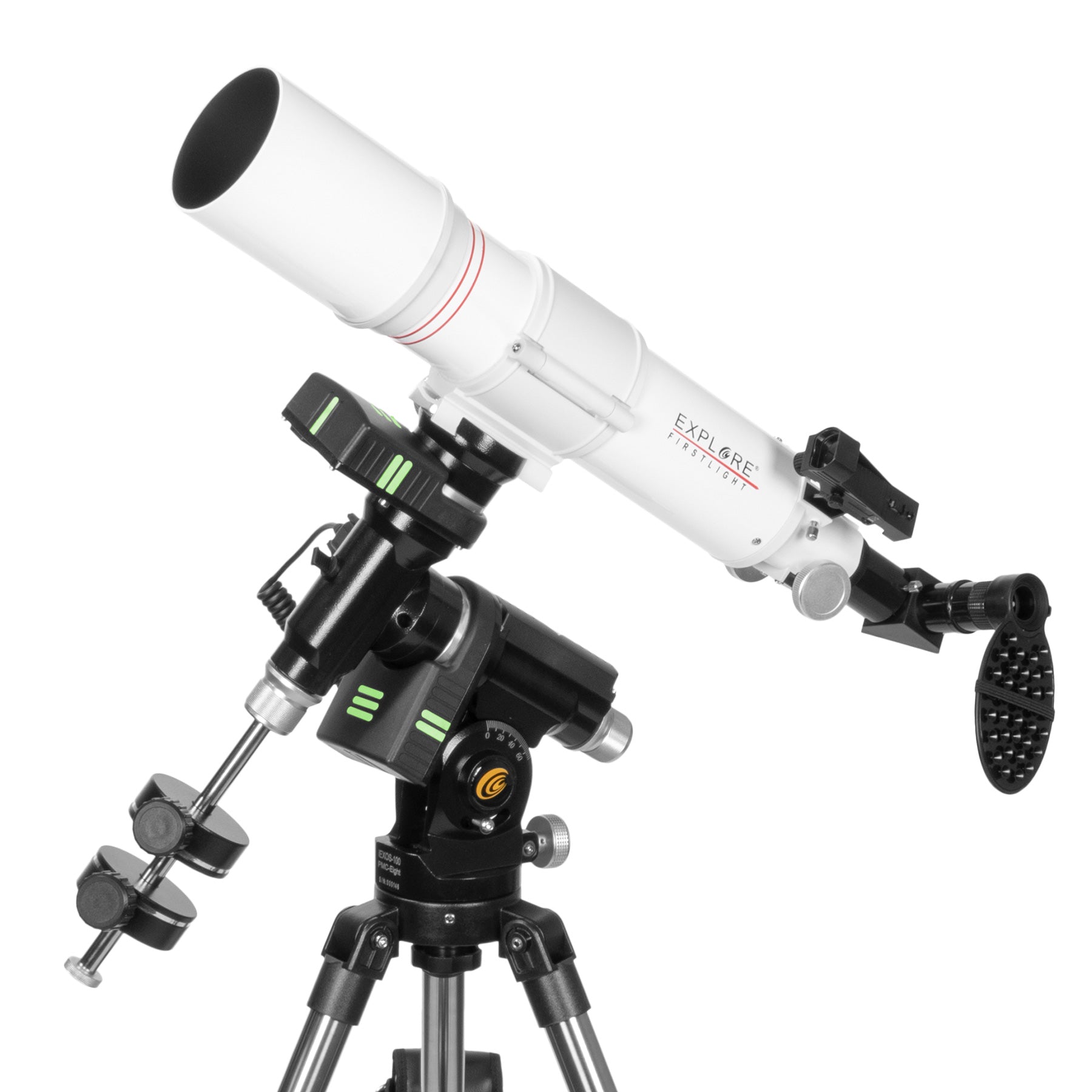
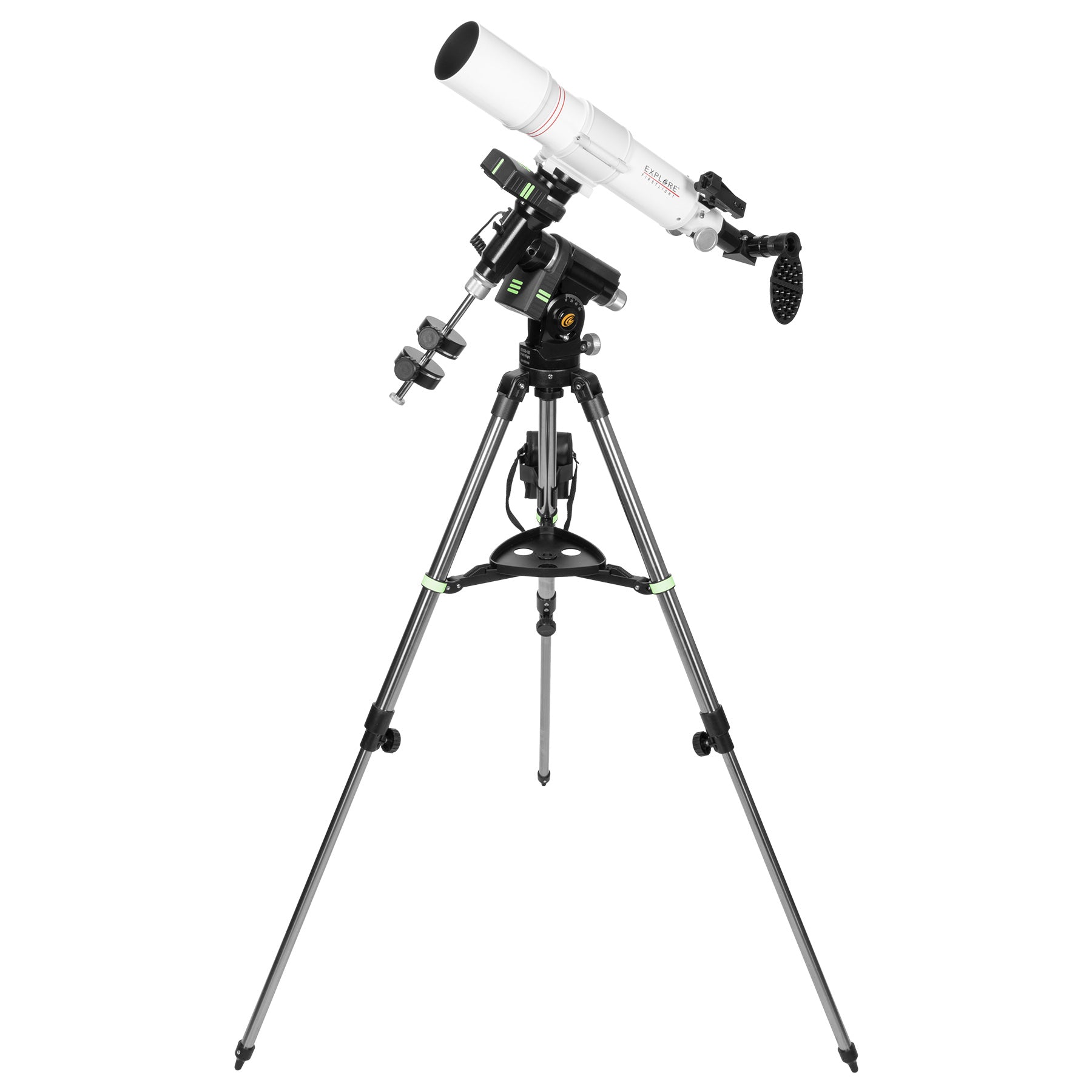
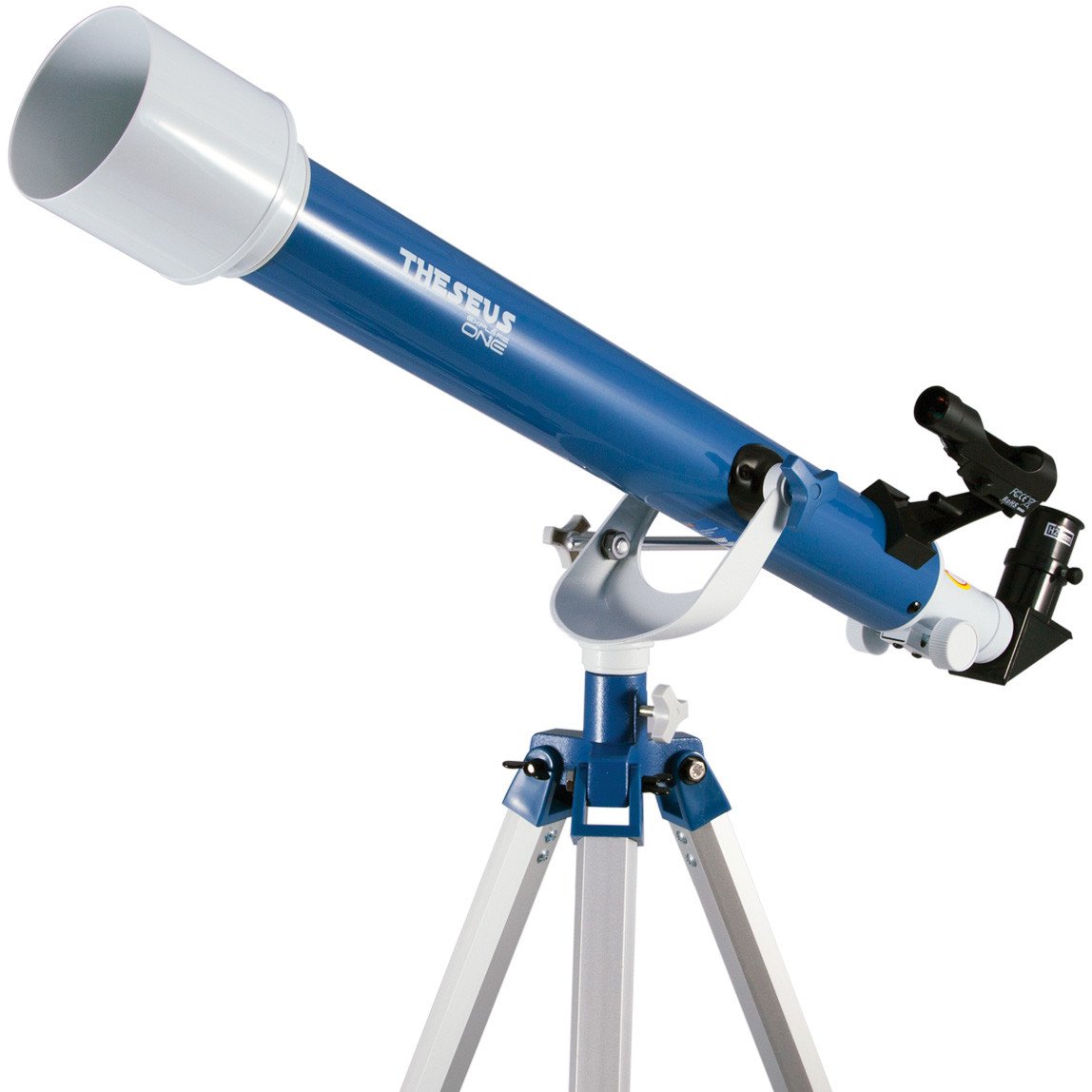
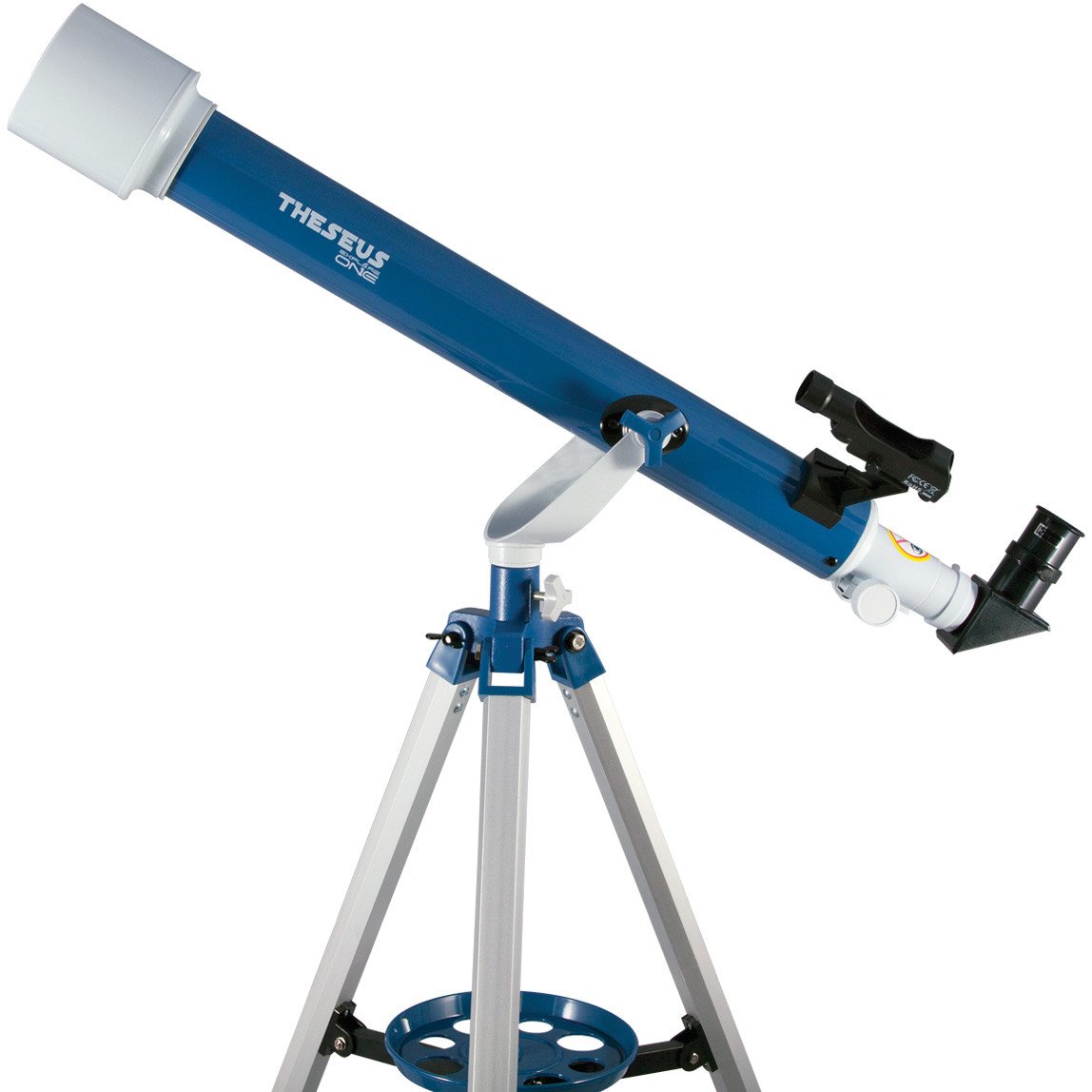
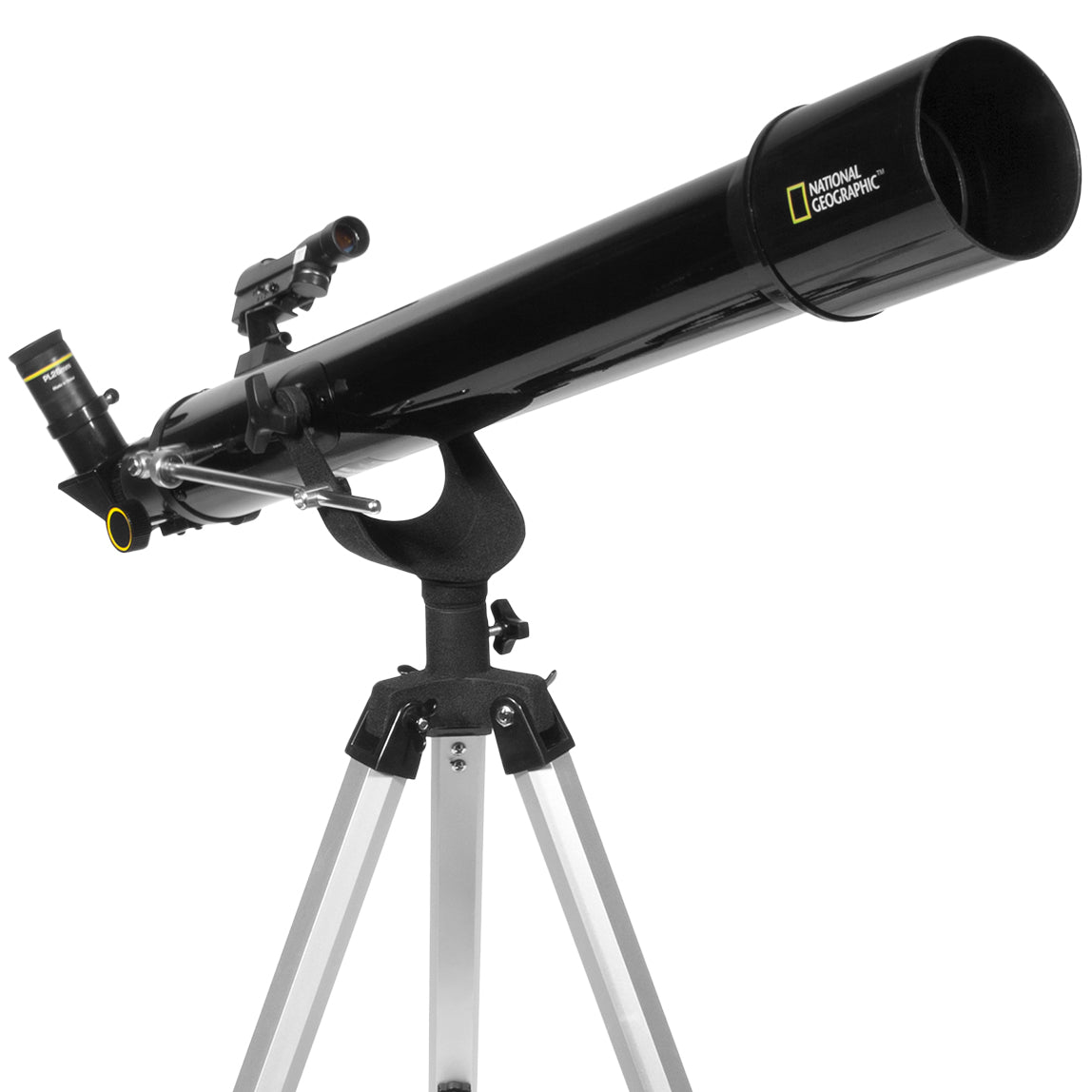
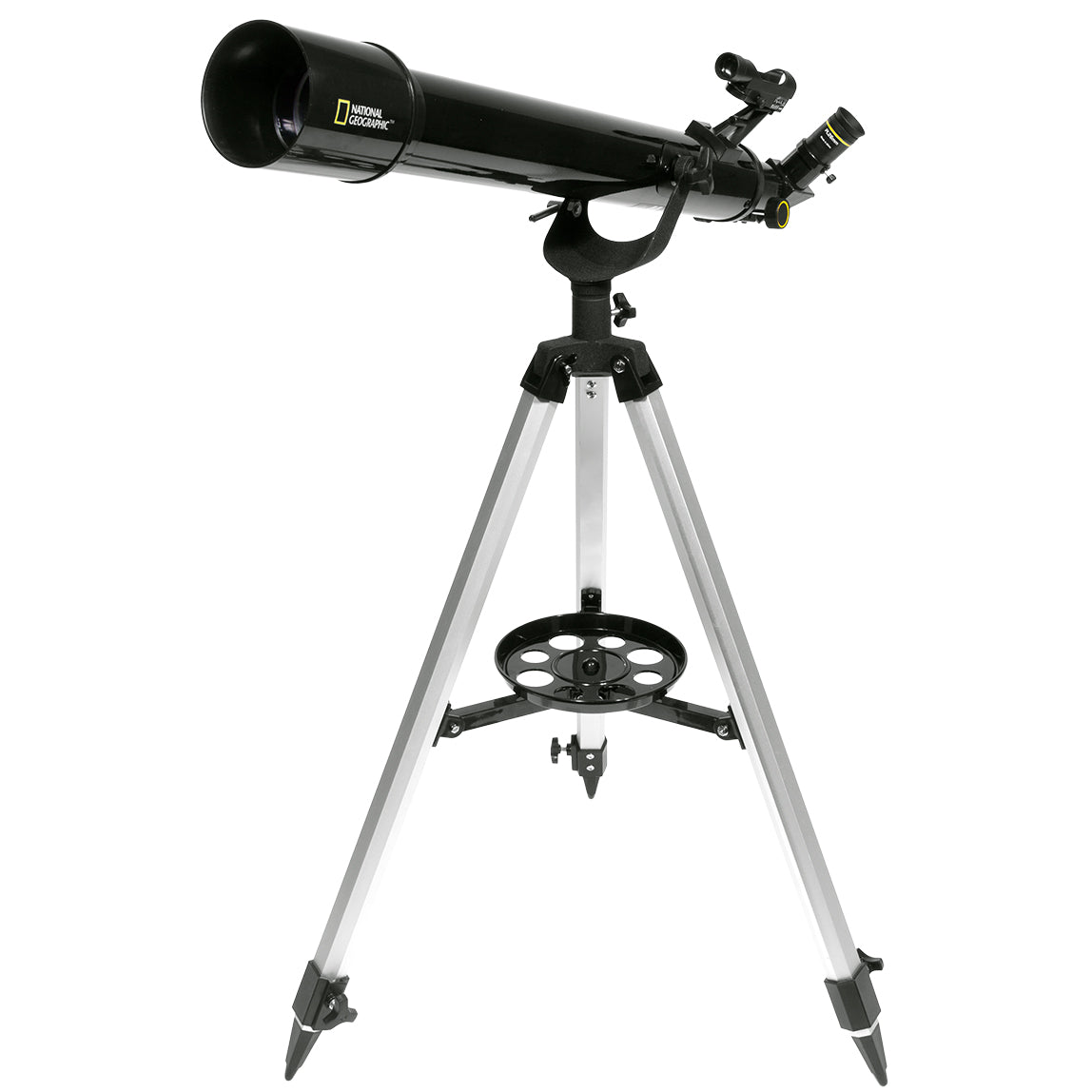
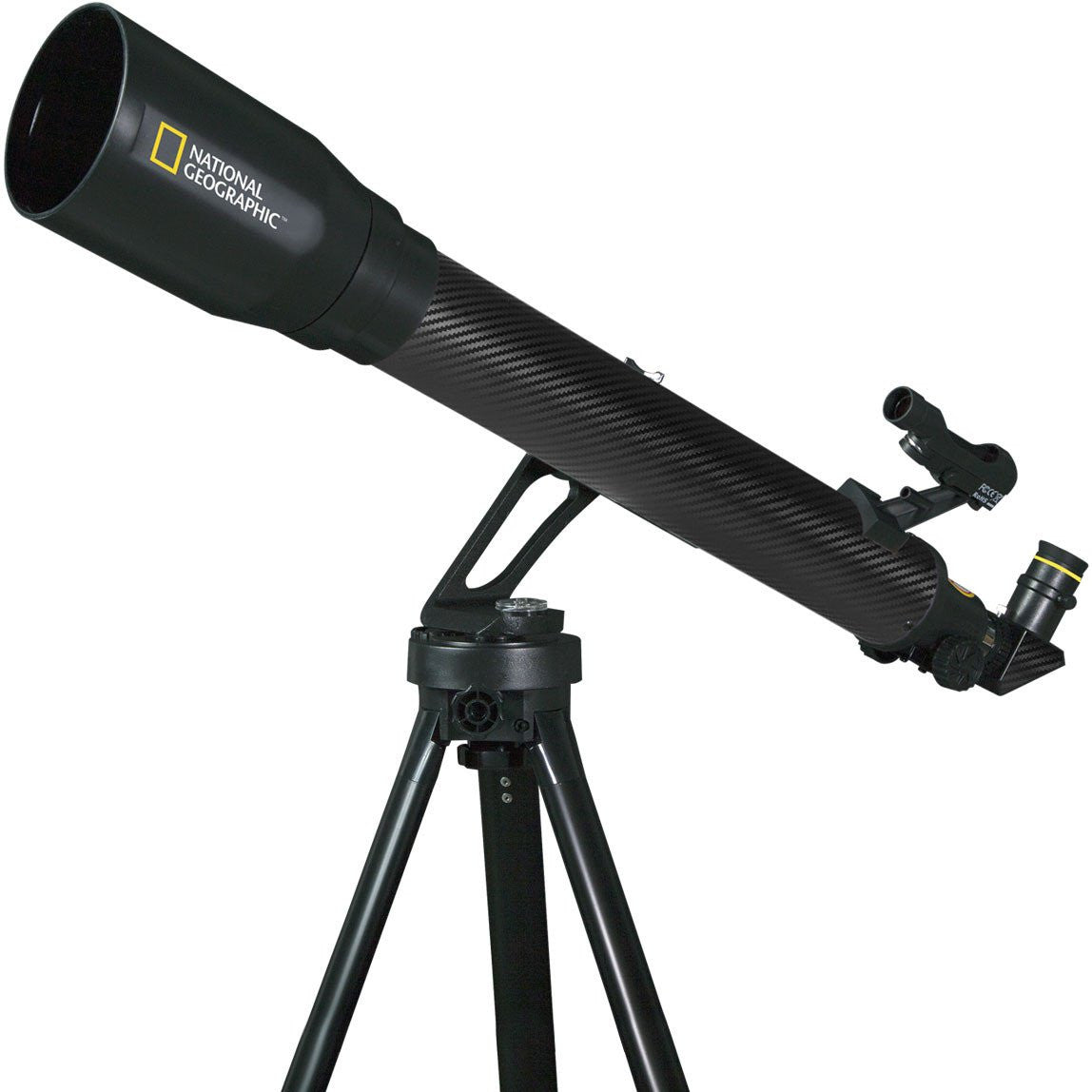
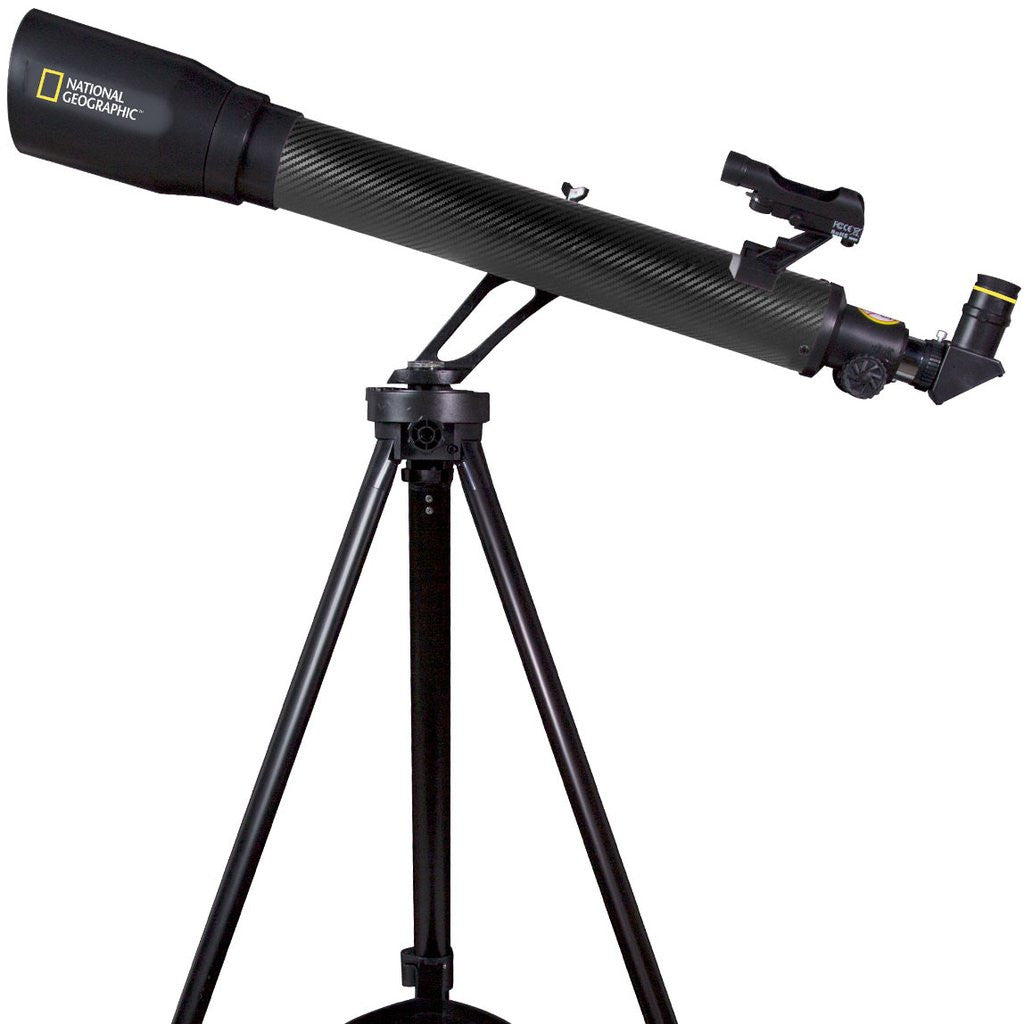
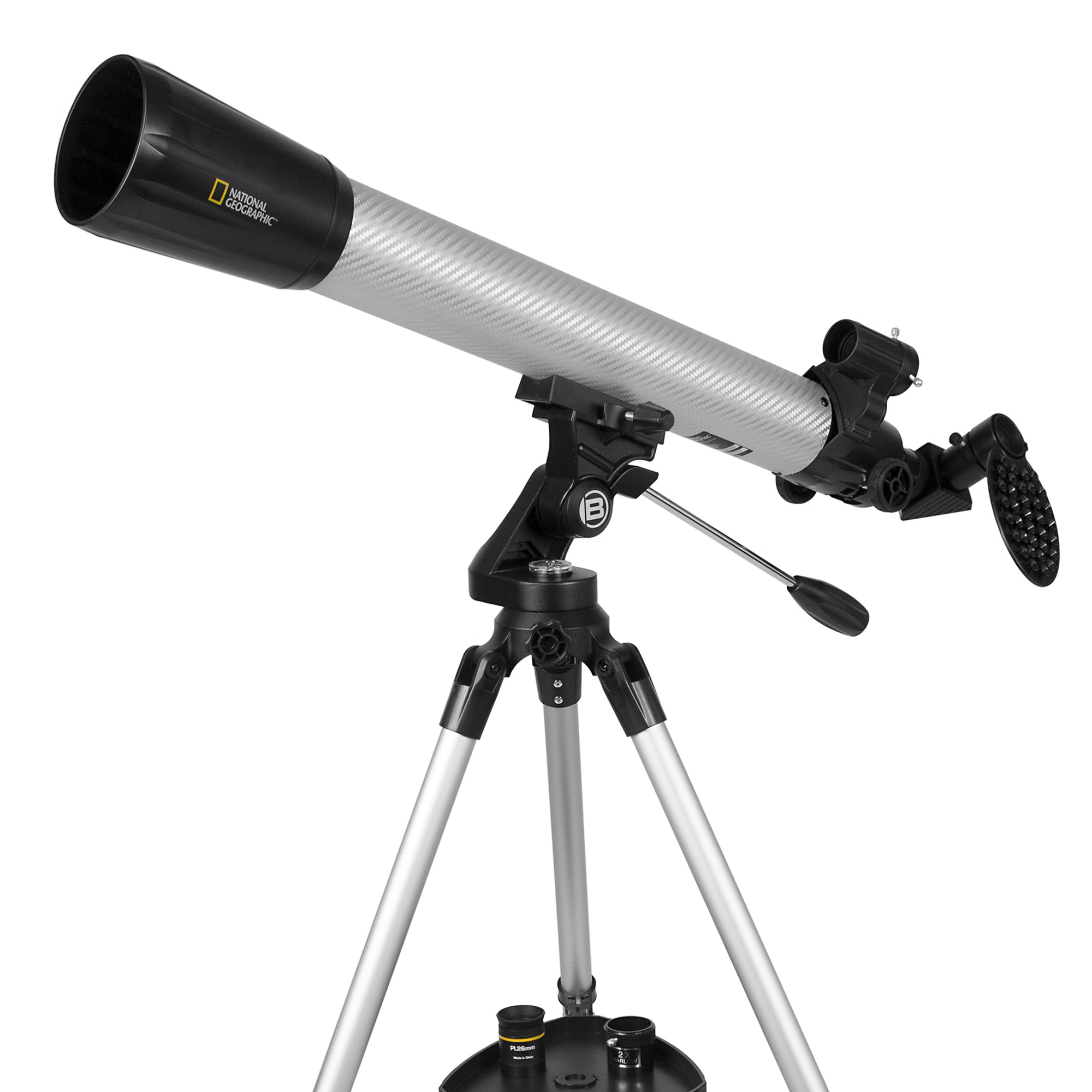
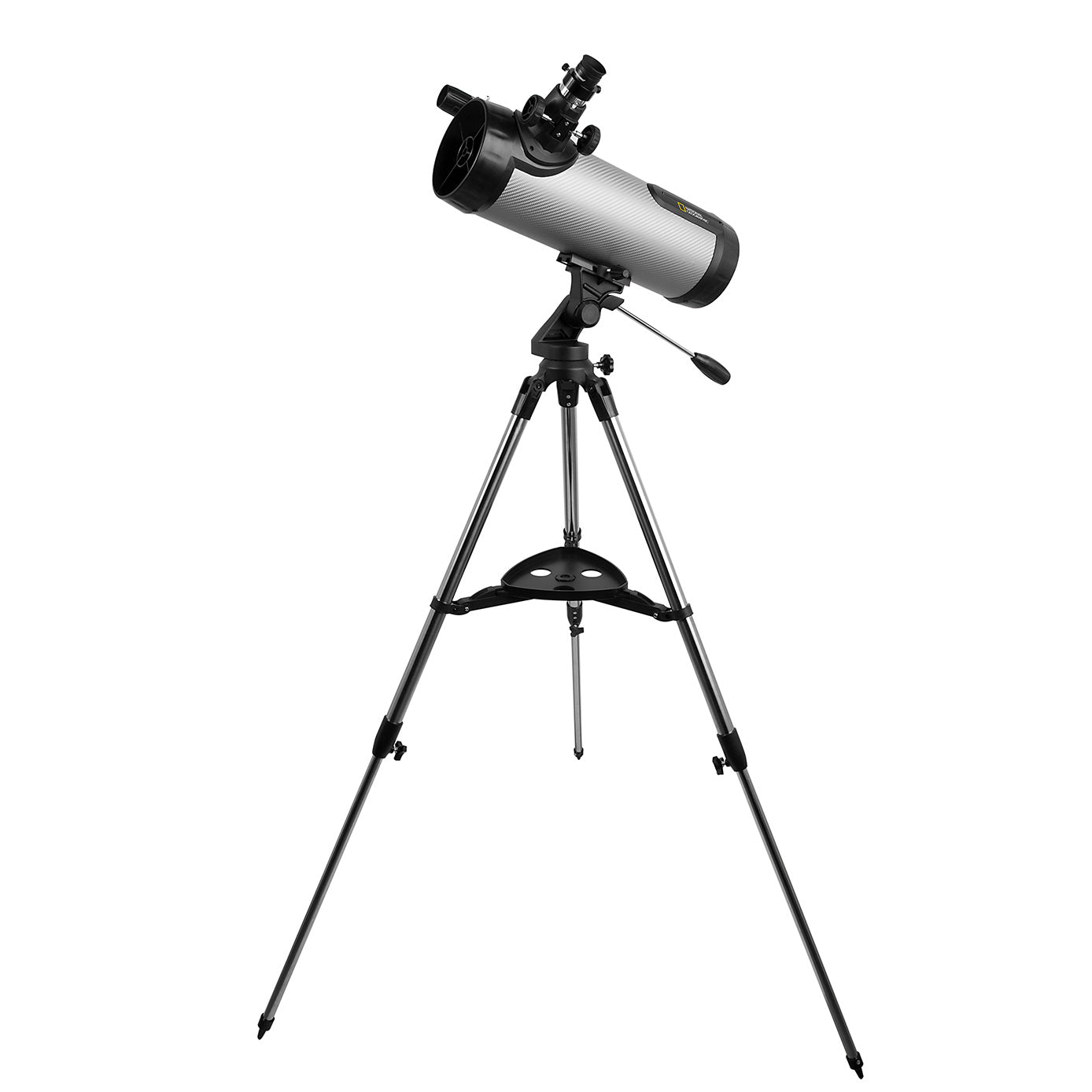
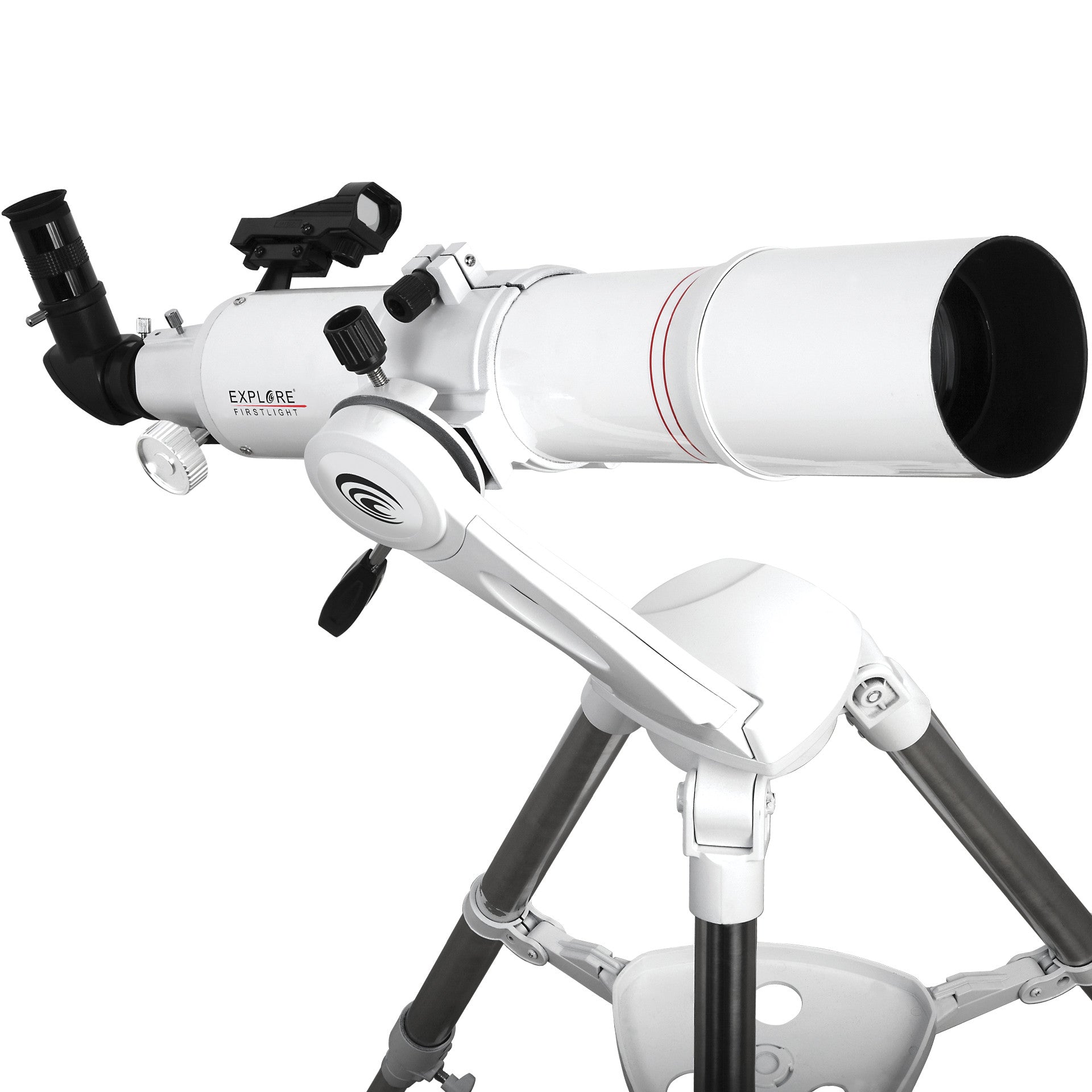
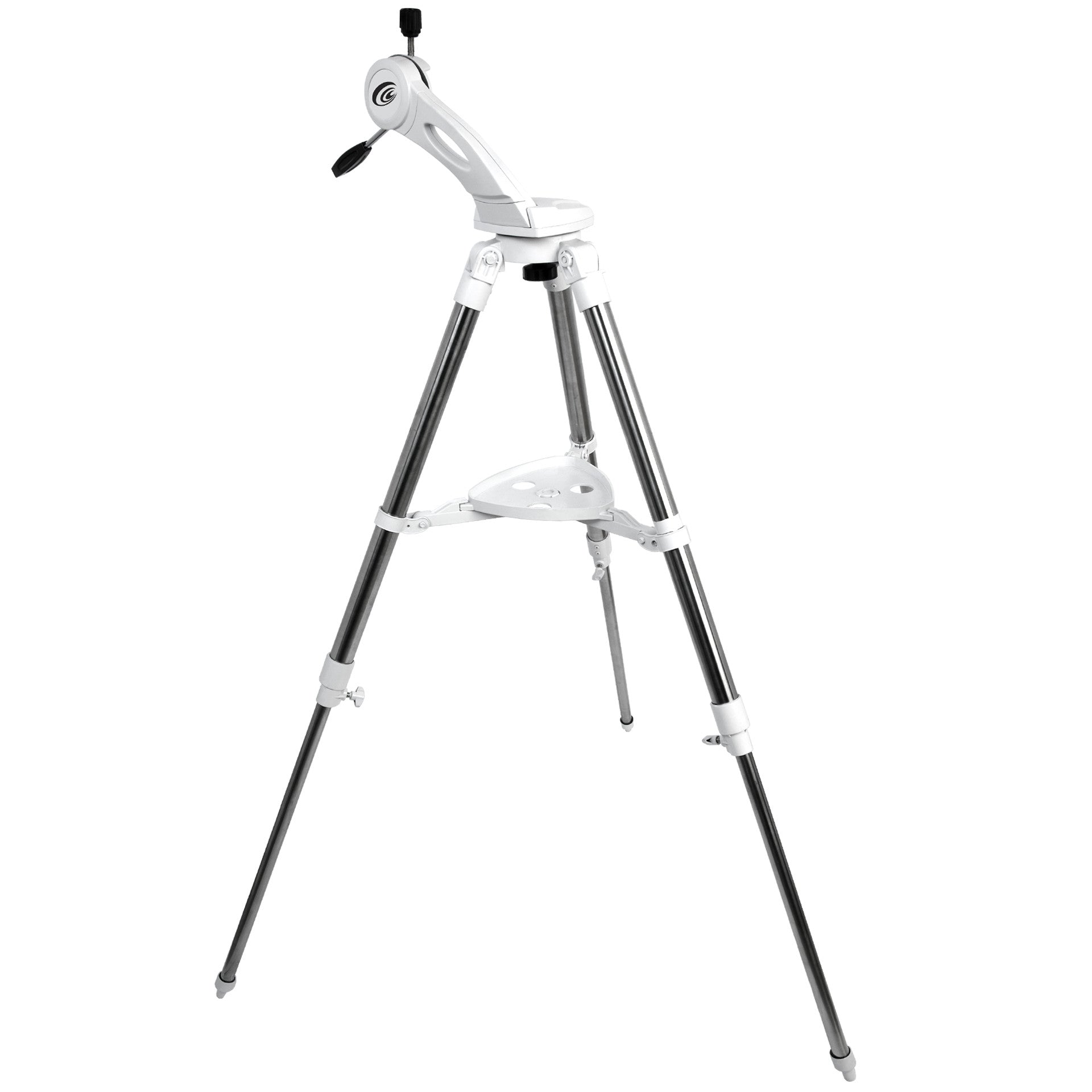
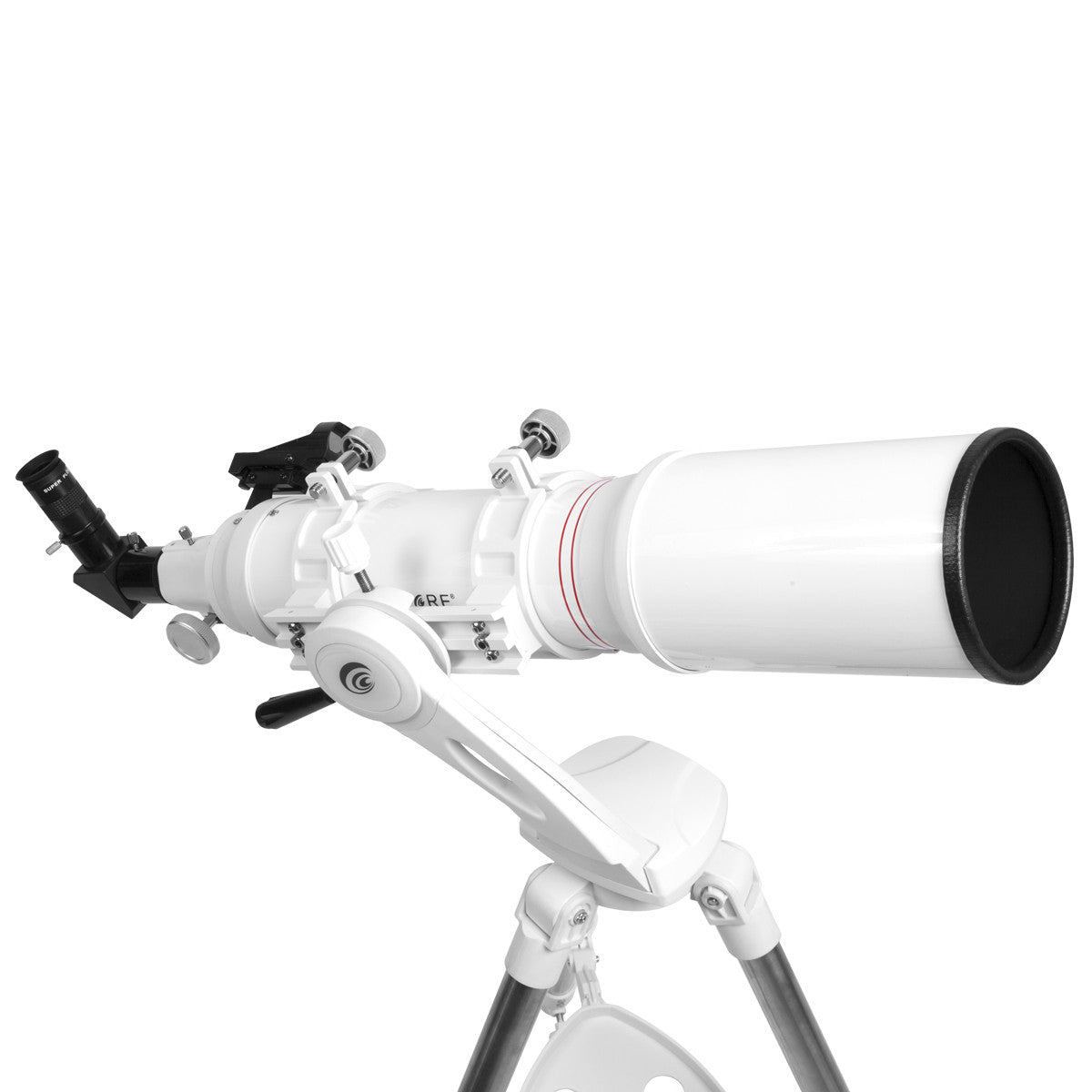
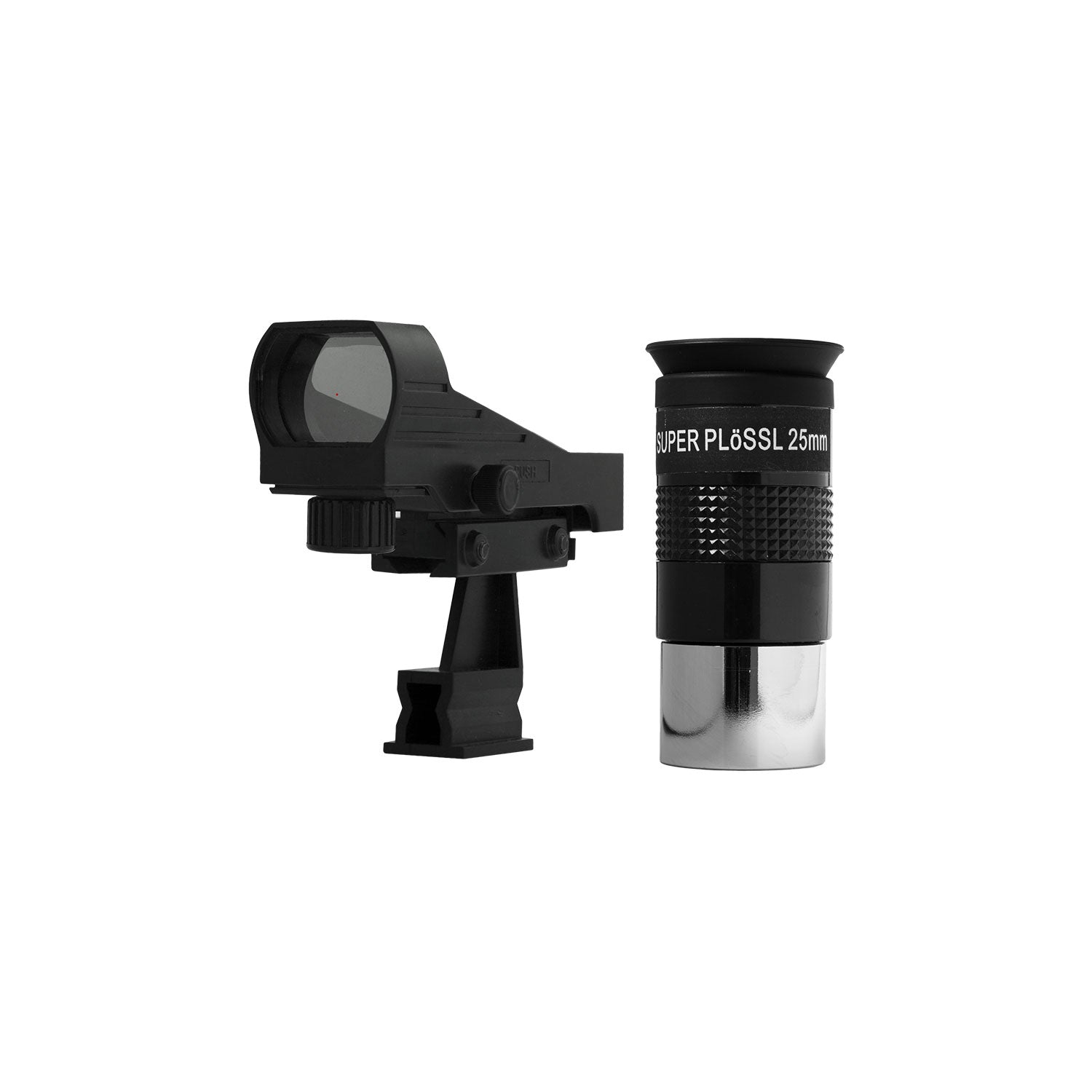
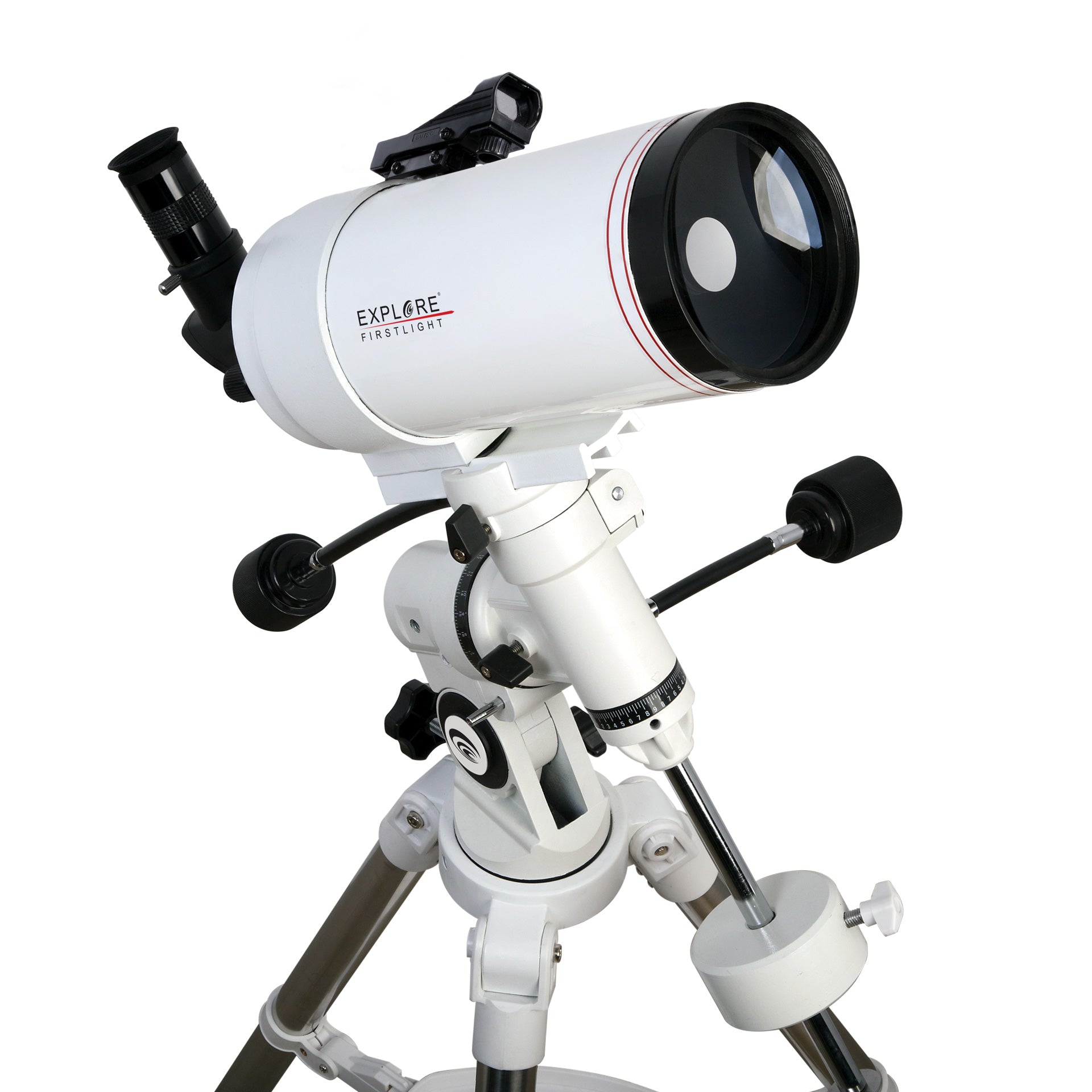
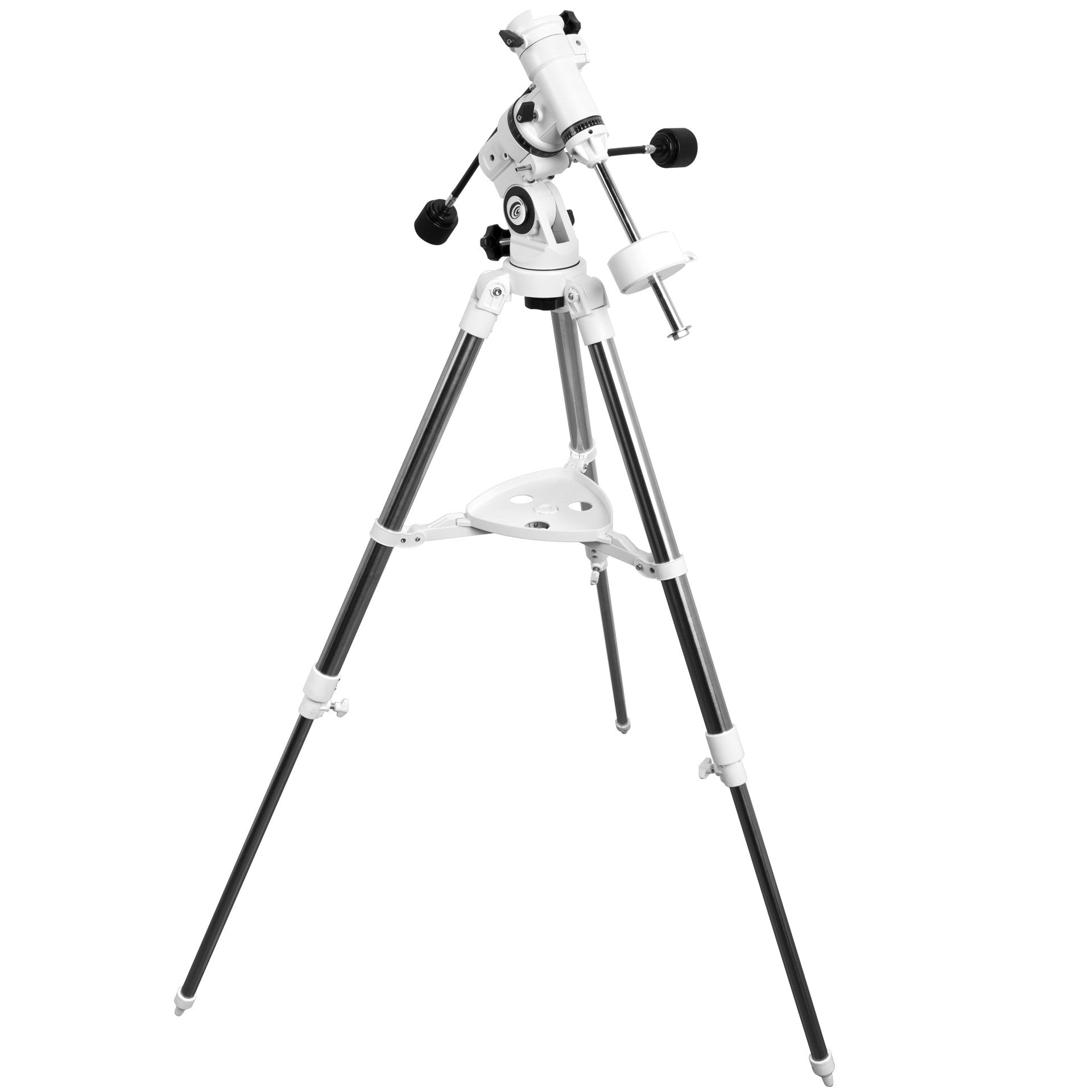
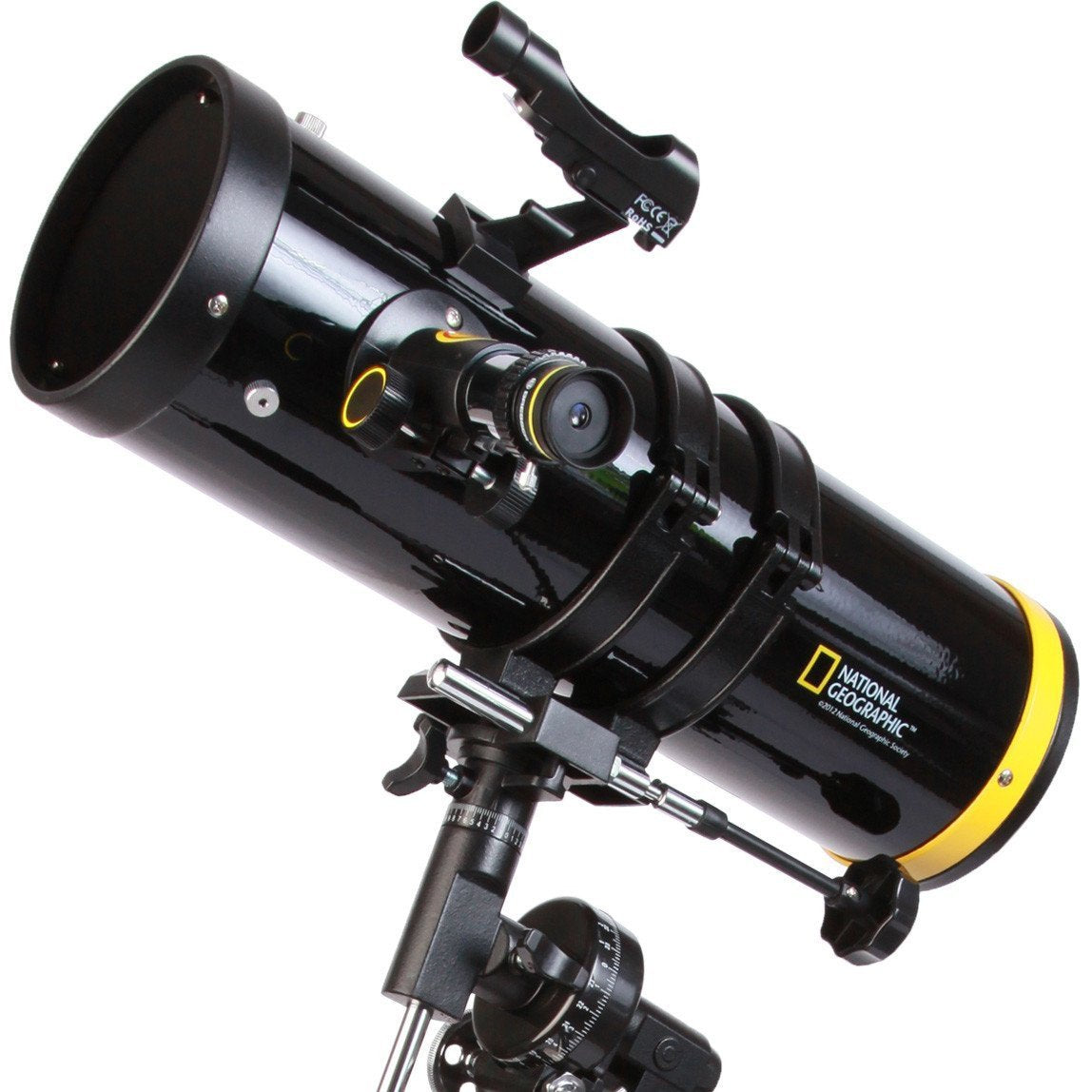
Astronomy Activity
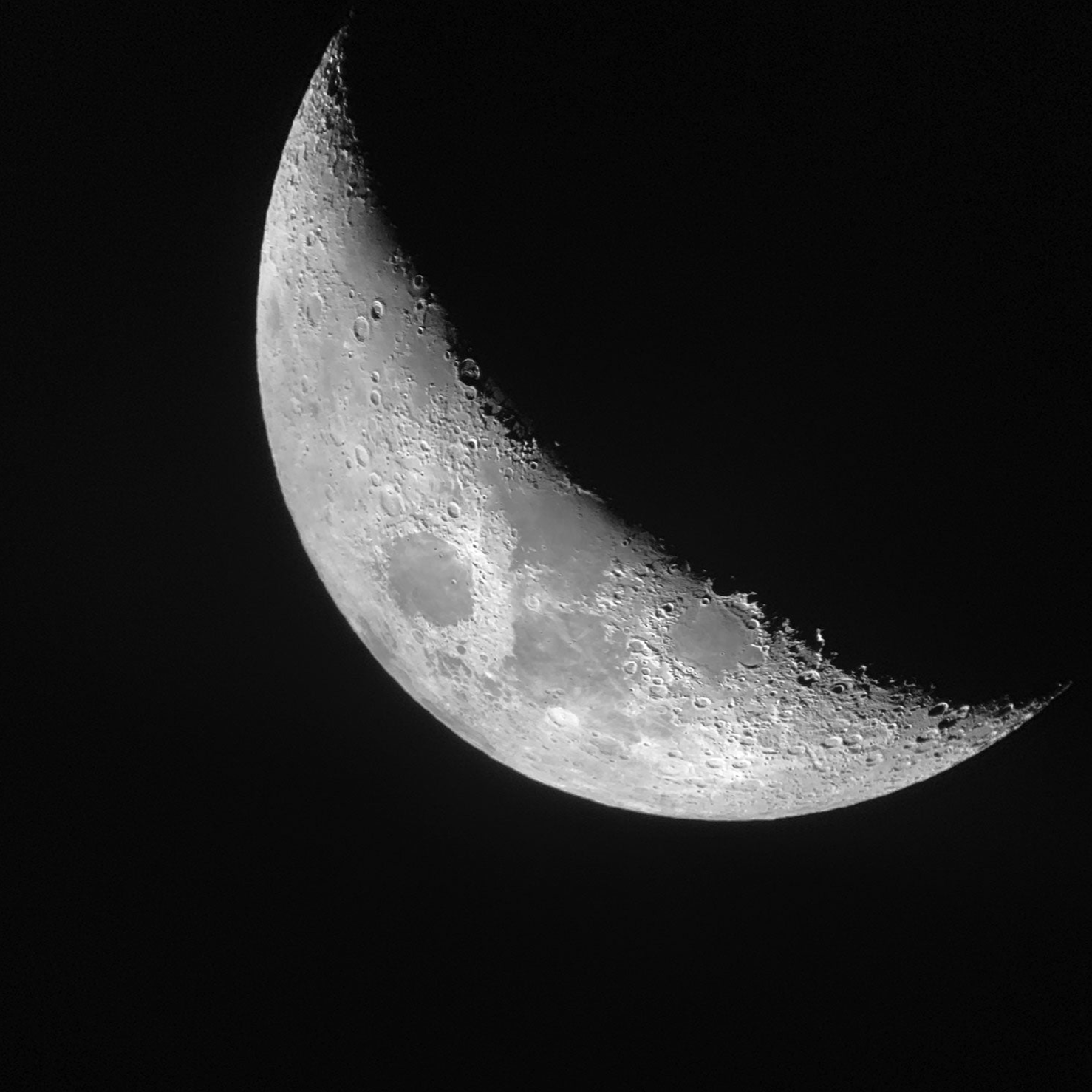
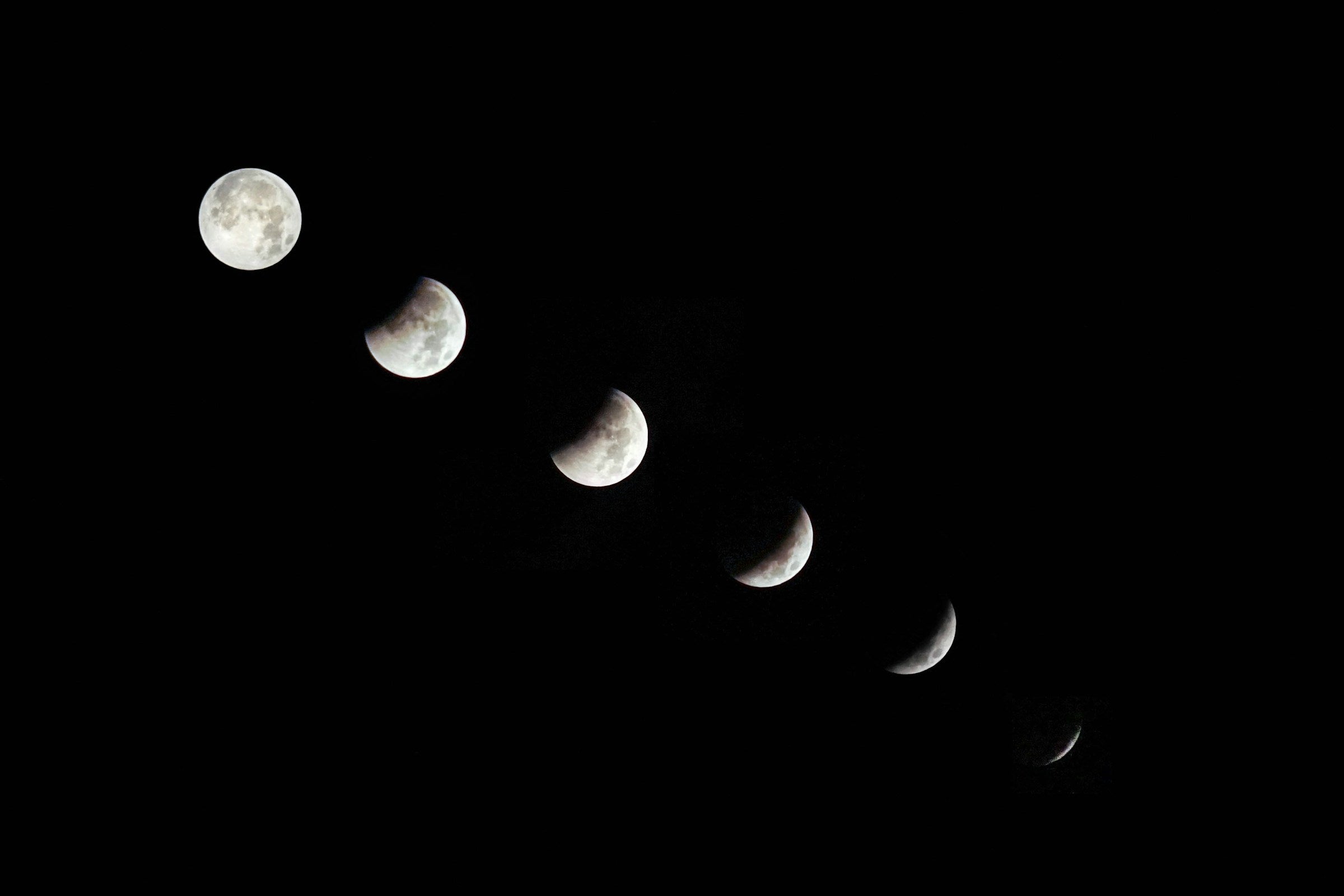
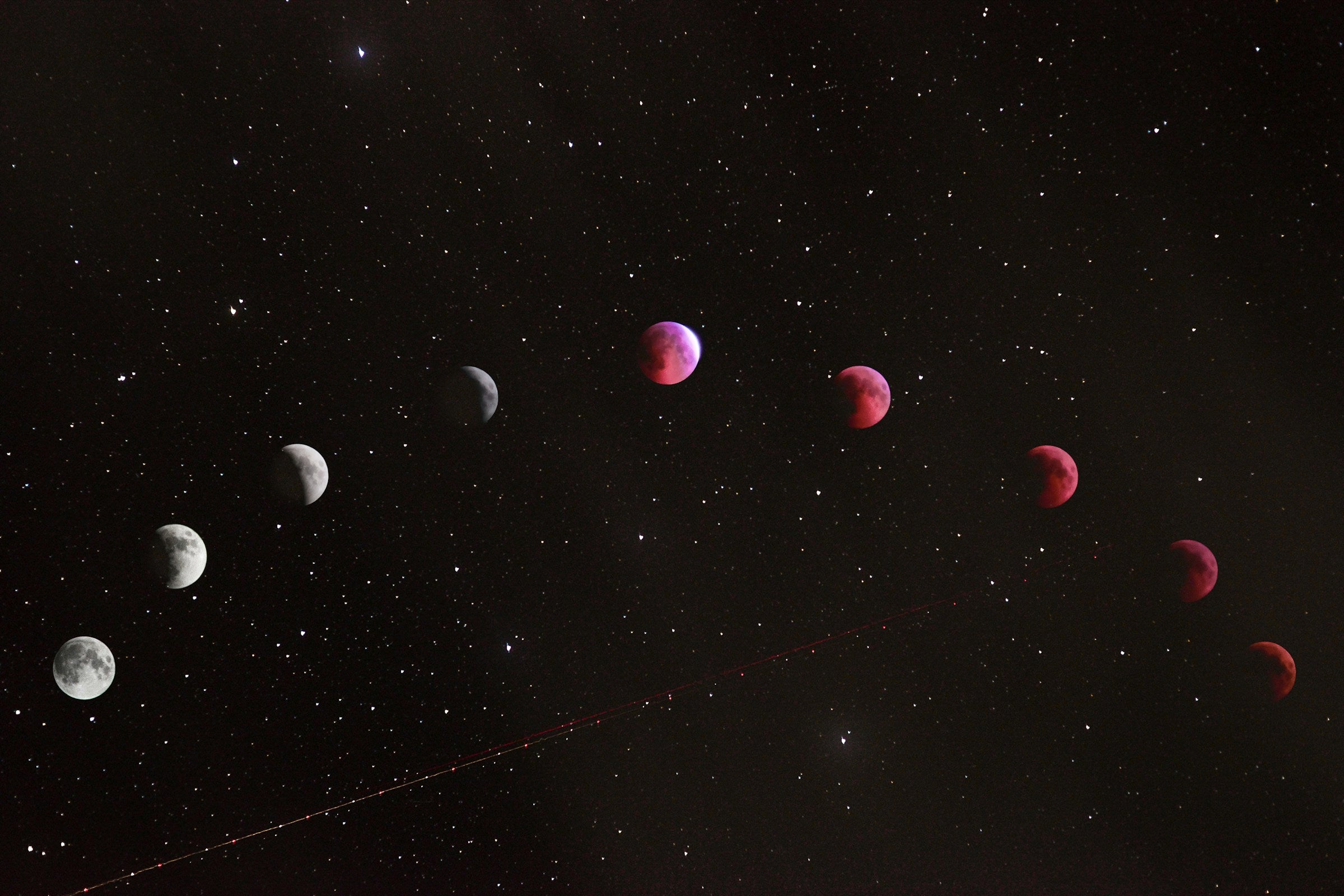
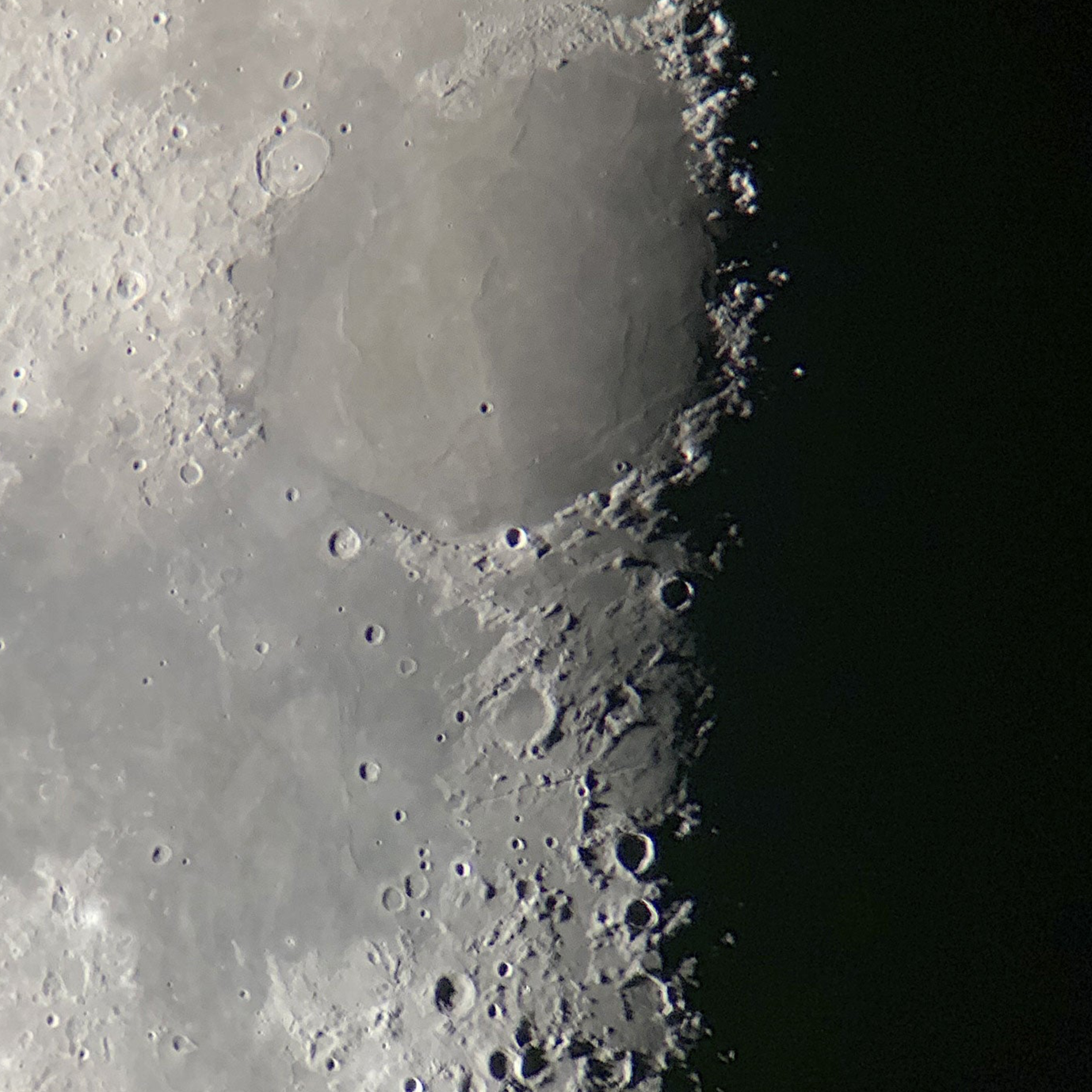
One of the easiest and most fascinating astronomy activities is observing the changing phases of the Moon. Students can observe the Moon over several weeks and record how its appearance changes night after night. This simple activity introduces important scientific concepts including orbital motion, geometry, and repeating cycles in nature.
What Students Learn from Moon Observations
Students can record their observations in a simple journal by sketching the Moon and noting the date and time of each observation. Over time, they begin to notice patterns: The Moon changes shape throughout the month, it rises later each evening, and the full lunar cycle lasts about 29.5 days. Activities like this demonstrate how scientific knowledge begins with careful observation.
Planet Exploration
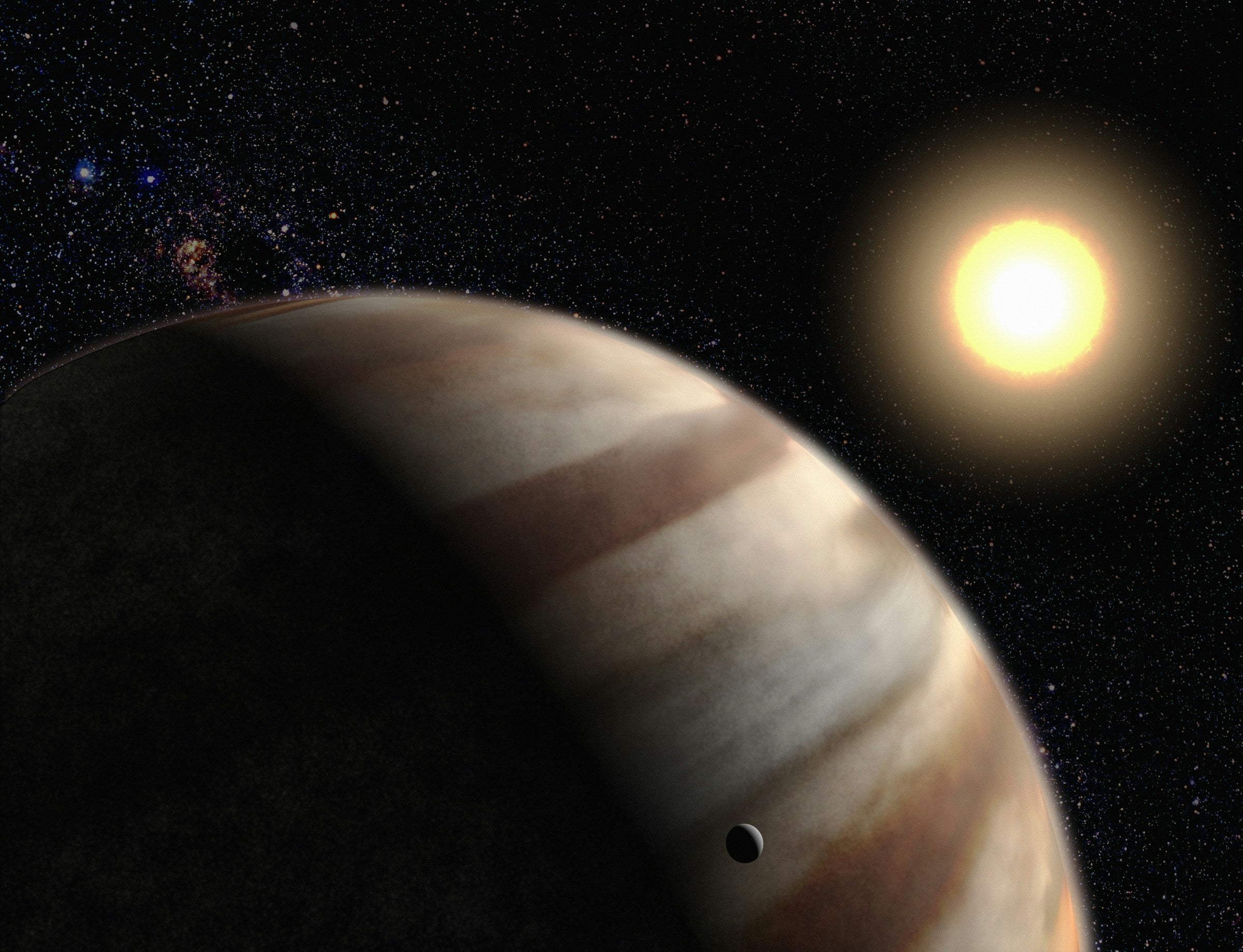
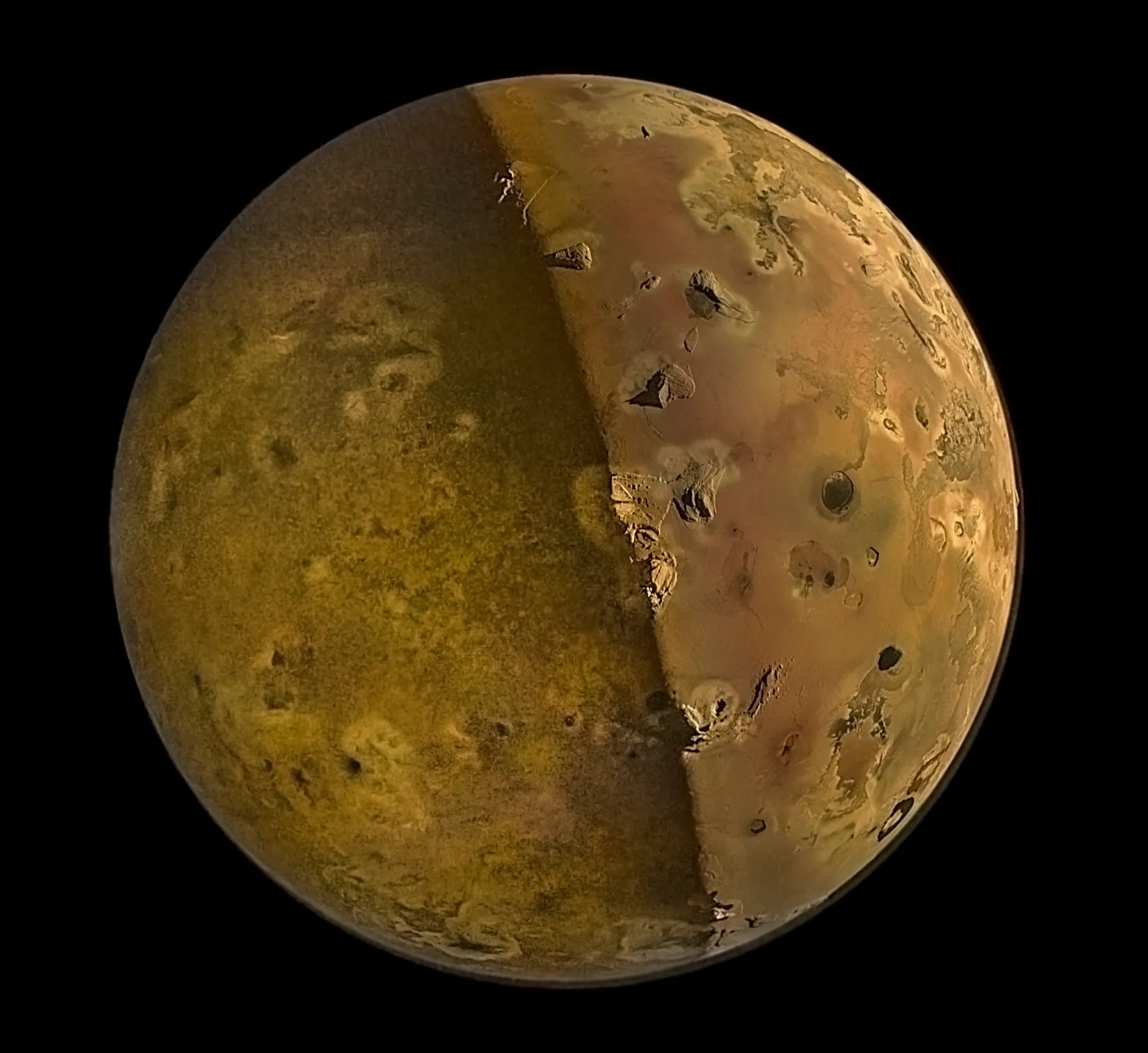
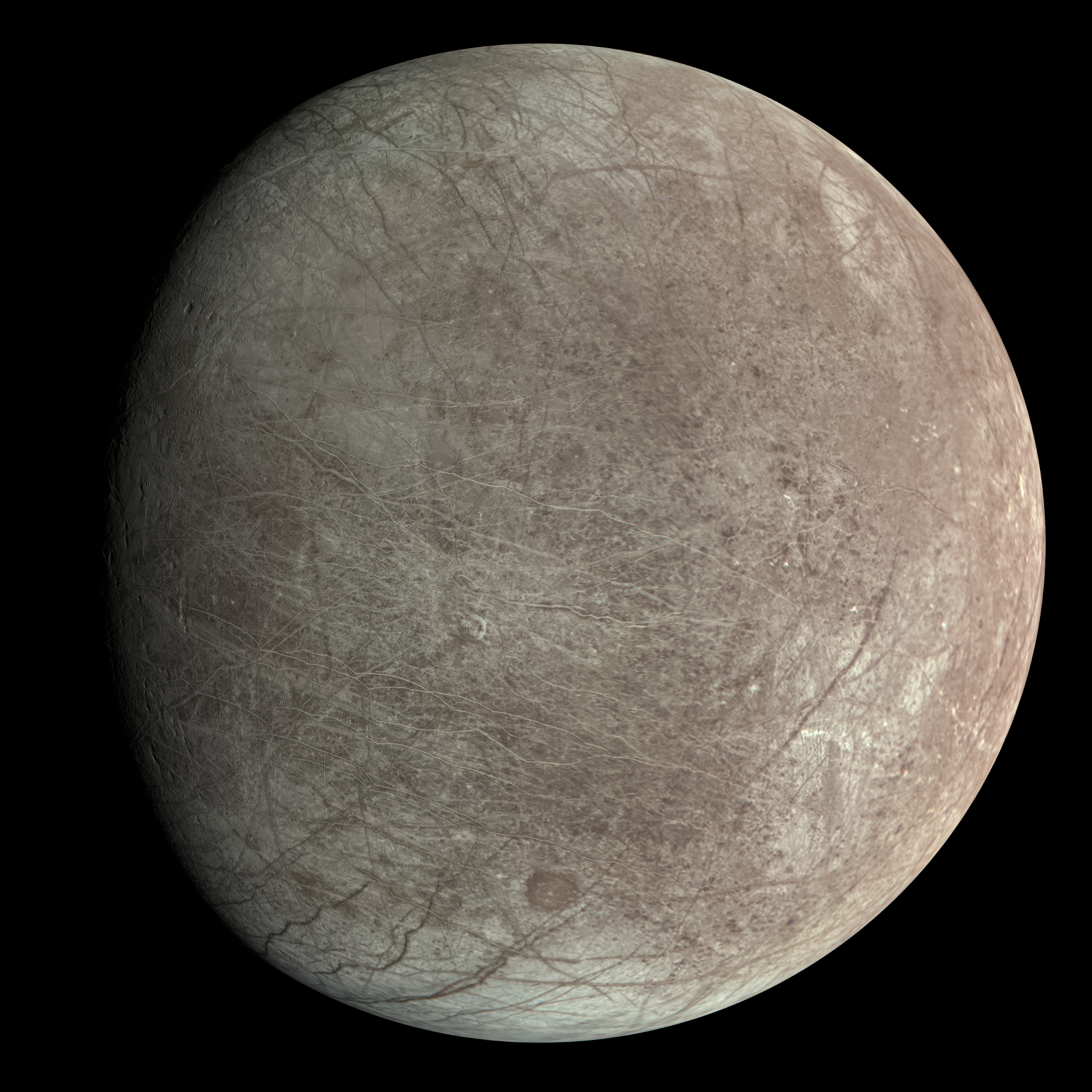
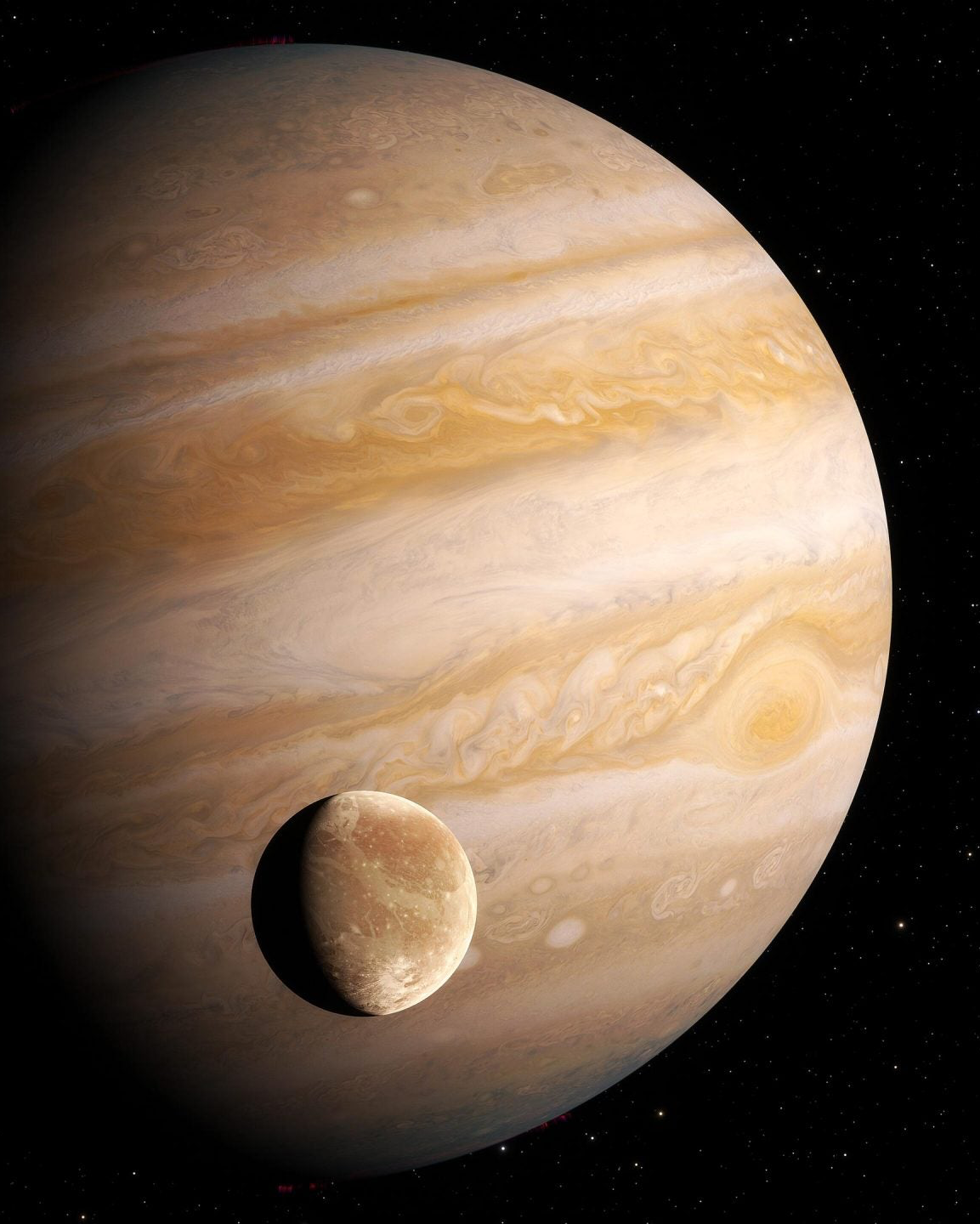
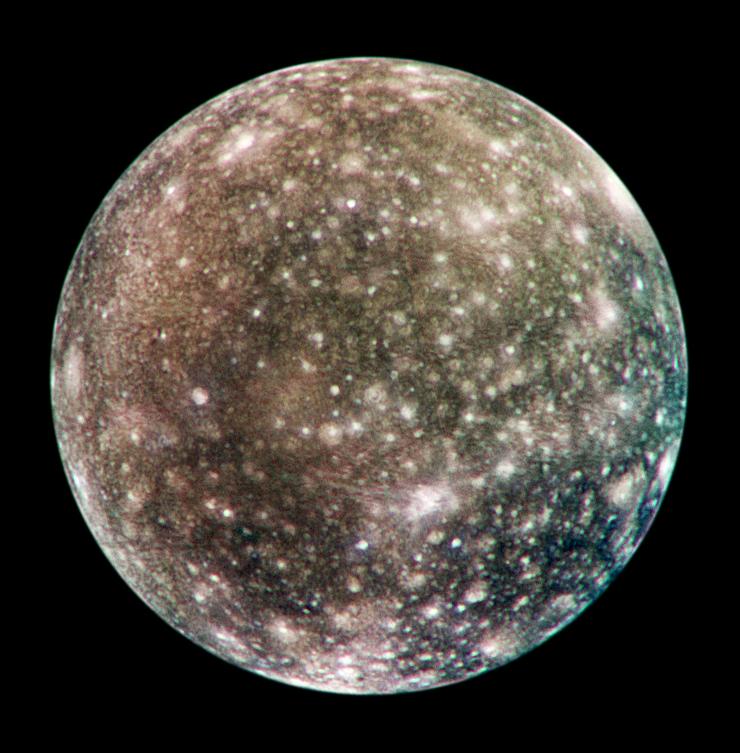
With a small telescope, students can observe Jupiter’s four largest moons: Io, Europa, Ganymede, and Callisto. These moons change position from night to night as they orbit the planet. Recording their positions helps students understand orbital motion and gravitational systems. This is the same observation that helped Galileo change humanity’s understanding of the universe in 1610.
A Classic Astronomy Investigation
Tracking Jupiter’s moons is one of the most famous observations in the history of science. Students who repeat this observation today are recreating one of the experiments that helped prove the heliocentric model of the solar system. By sketching the positions of the moons each night, students begin to see orbital motion happening in real time.
Night Sky Exploration
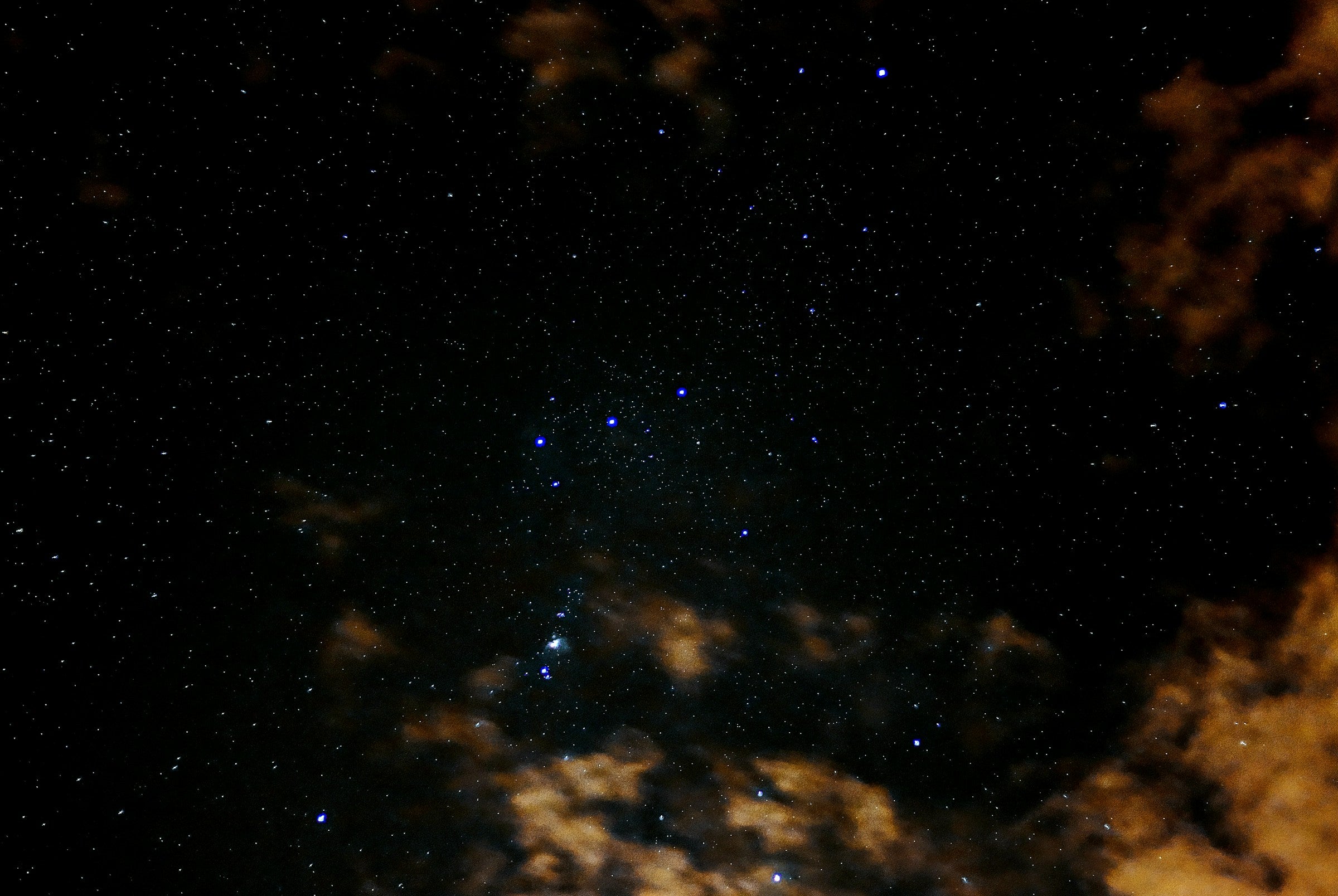
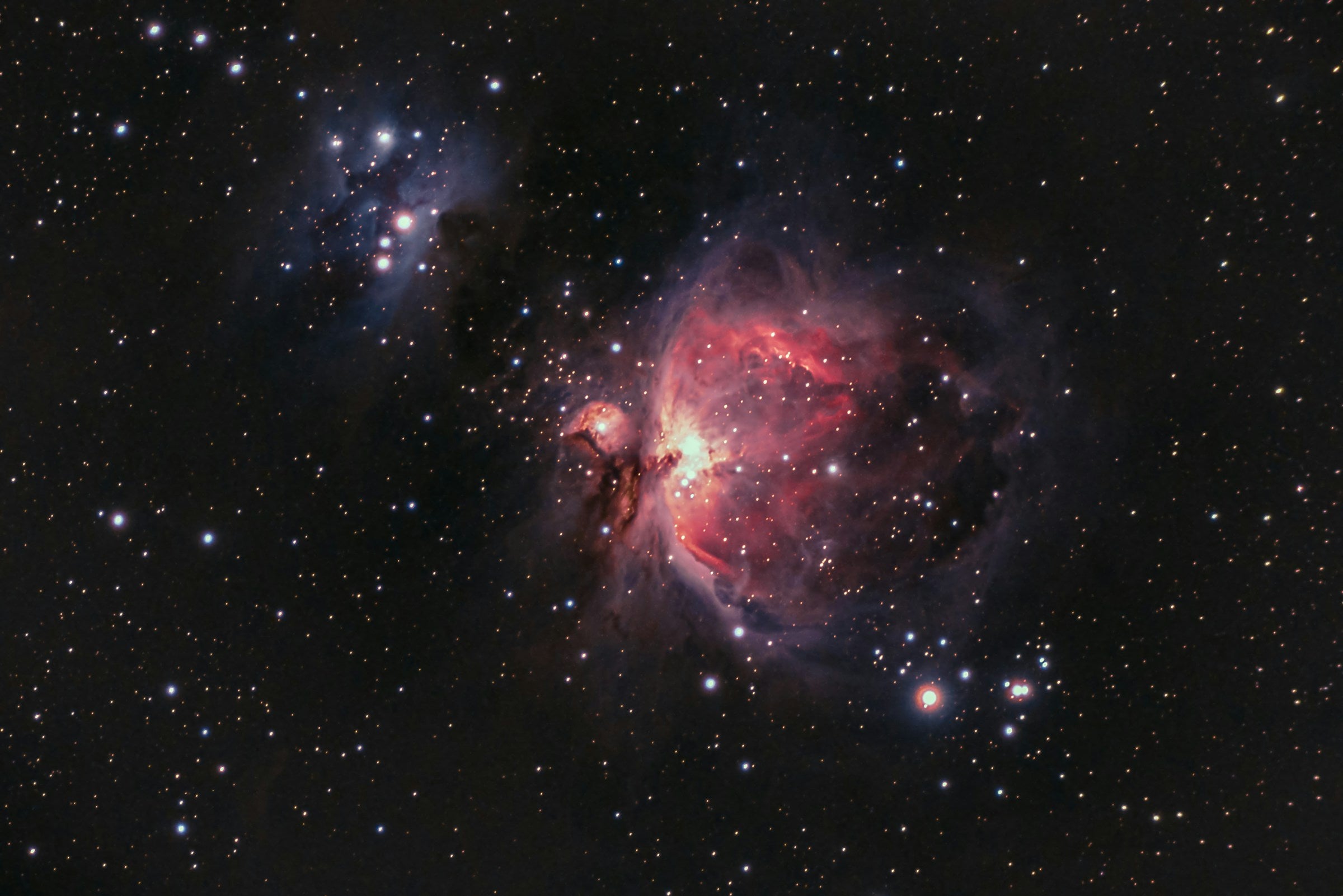
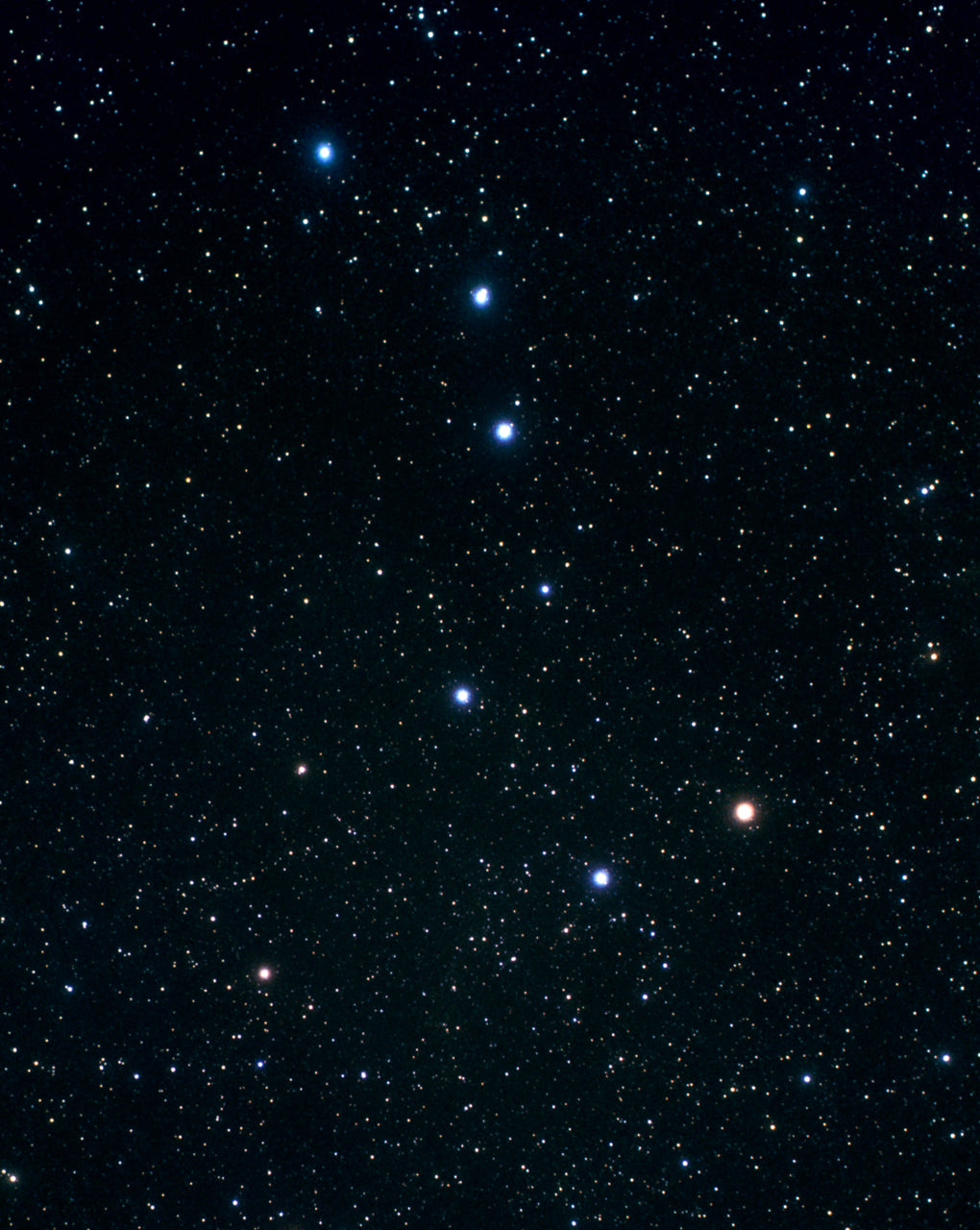
Constellations are patterns of stars that help observers navigate the night sky. Learning to identify these patterns helps students understand how the sky changes throughout the year. Students can create sky journals to record which constellations appear during different seasons.
Mapping the Night Sky
When students observe constellations over time, they begin to understand several important astronomical ideas such as Earth’s rotation, Earth’s orbit around the Sun, seasonal changes in the sky, and celestial navigation. Constellations also connect astronomy to history and culture, as many star patterns have been used in storytelling and navigation for thousands of years.
STEM Science
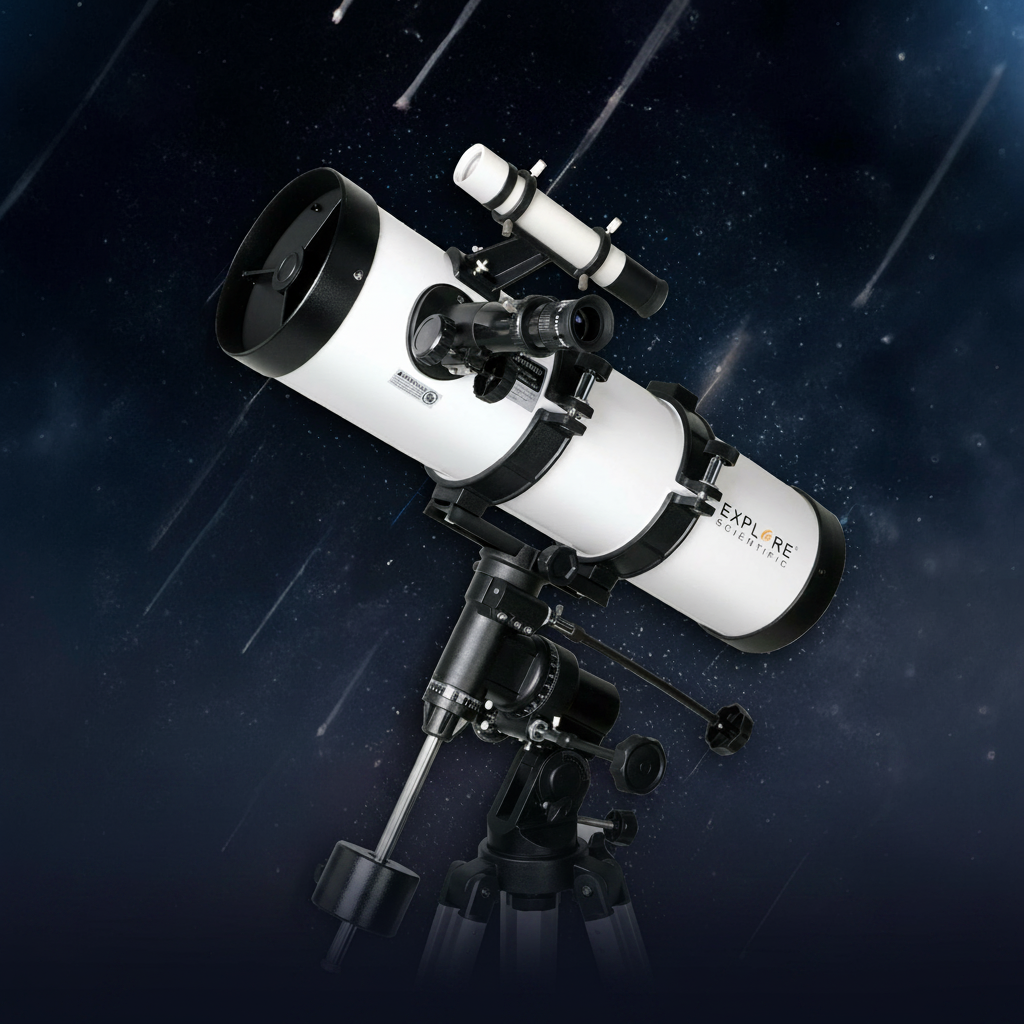
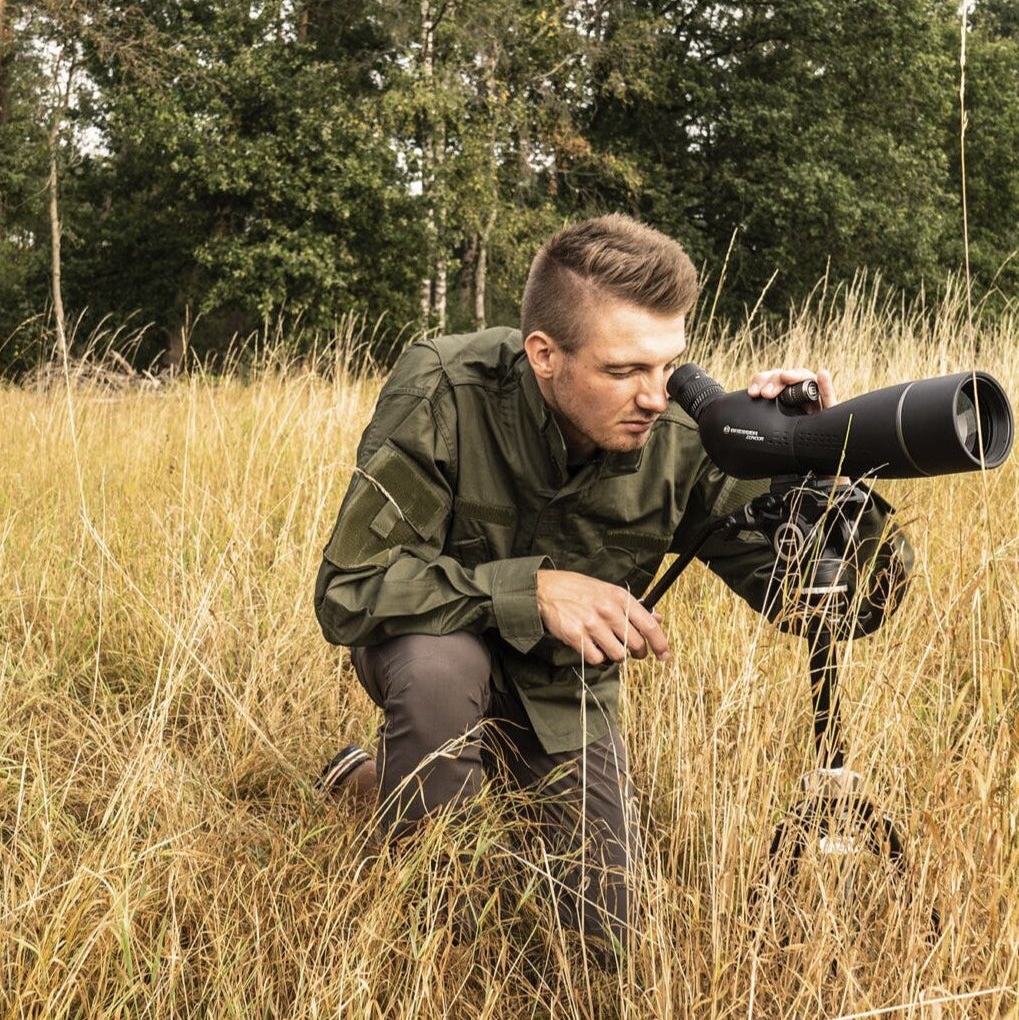
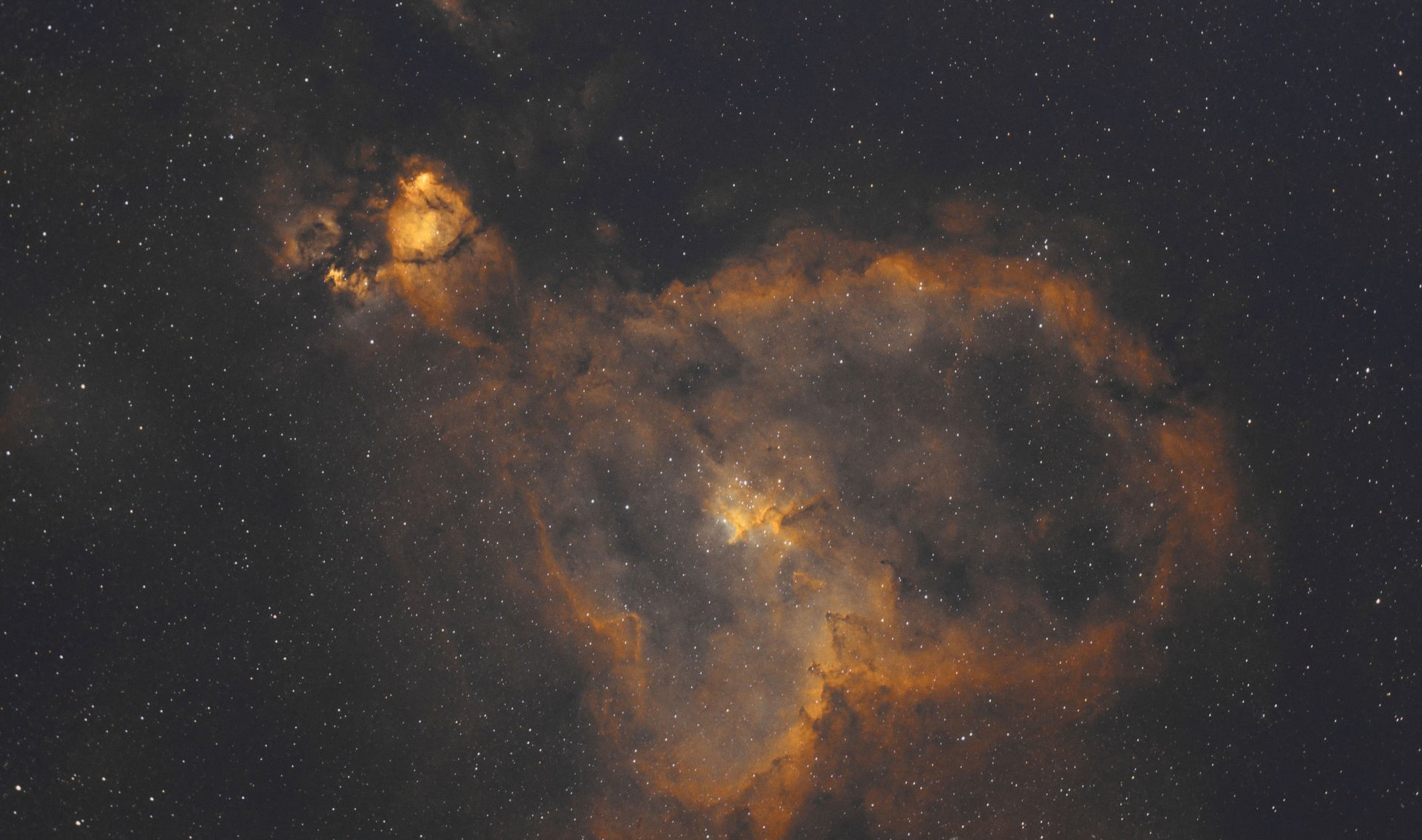
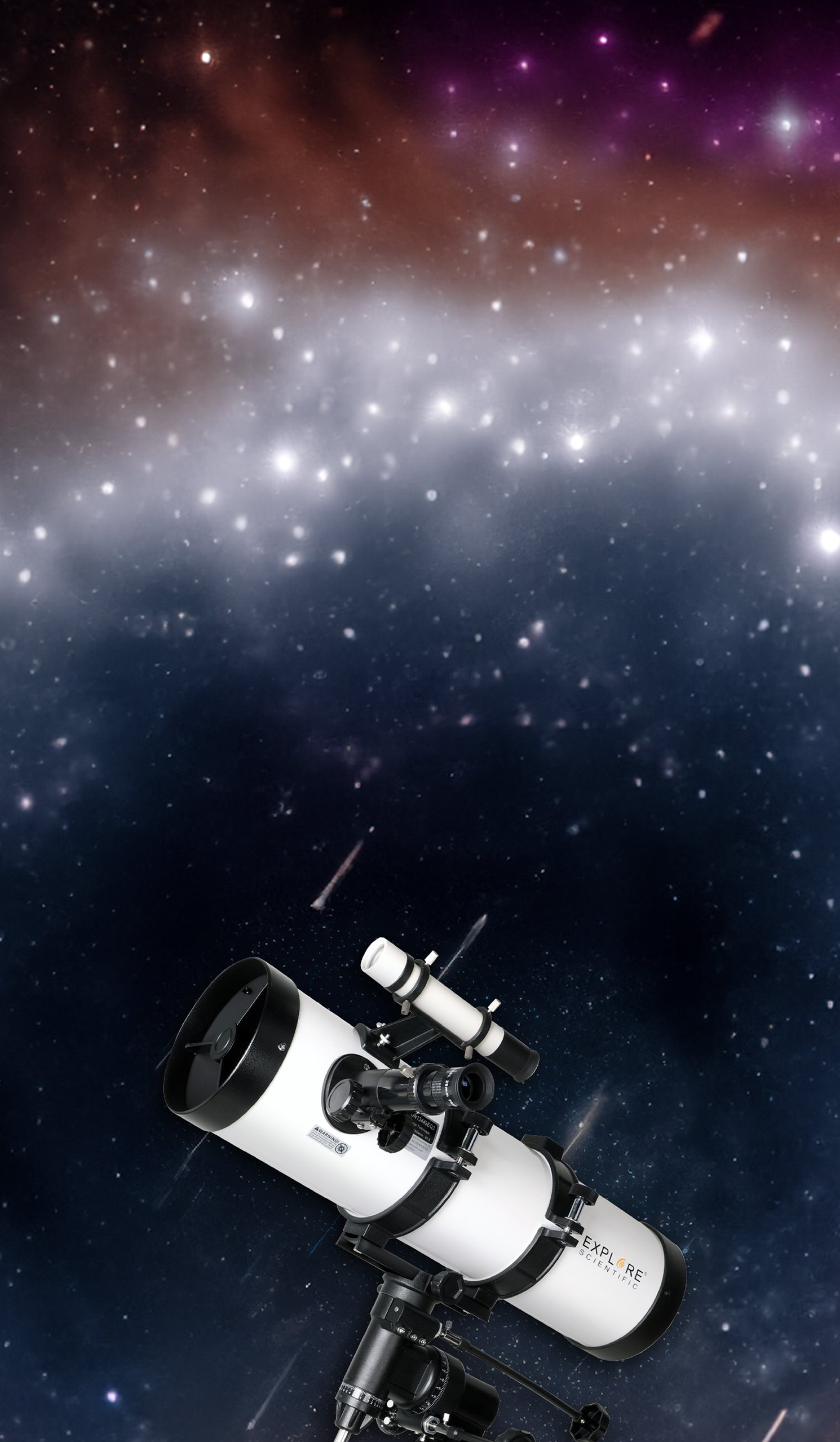
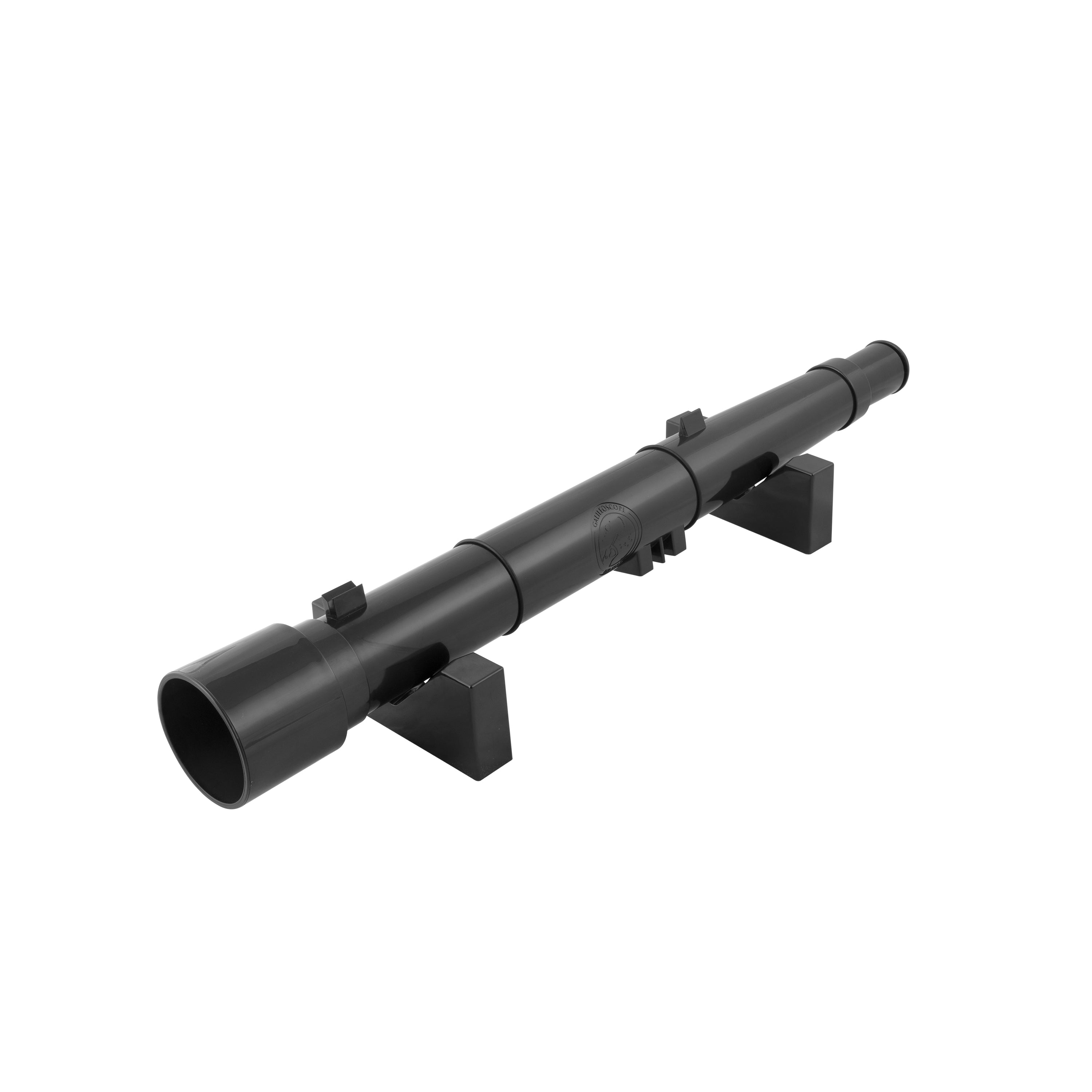
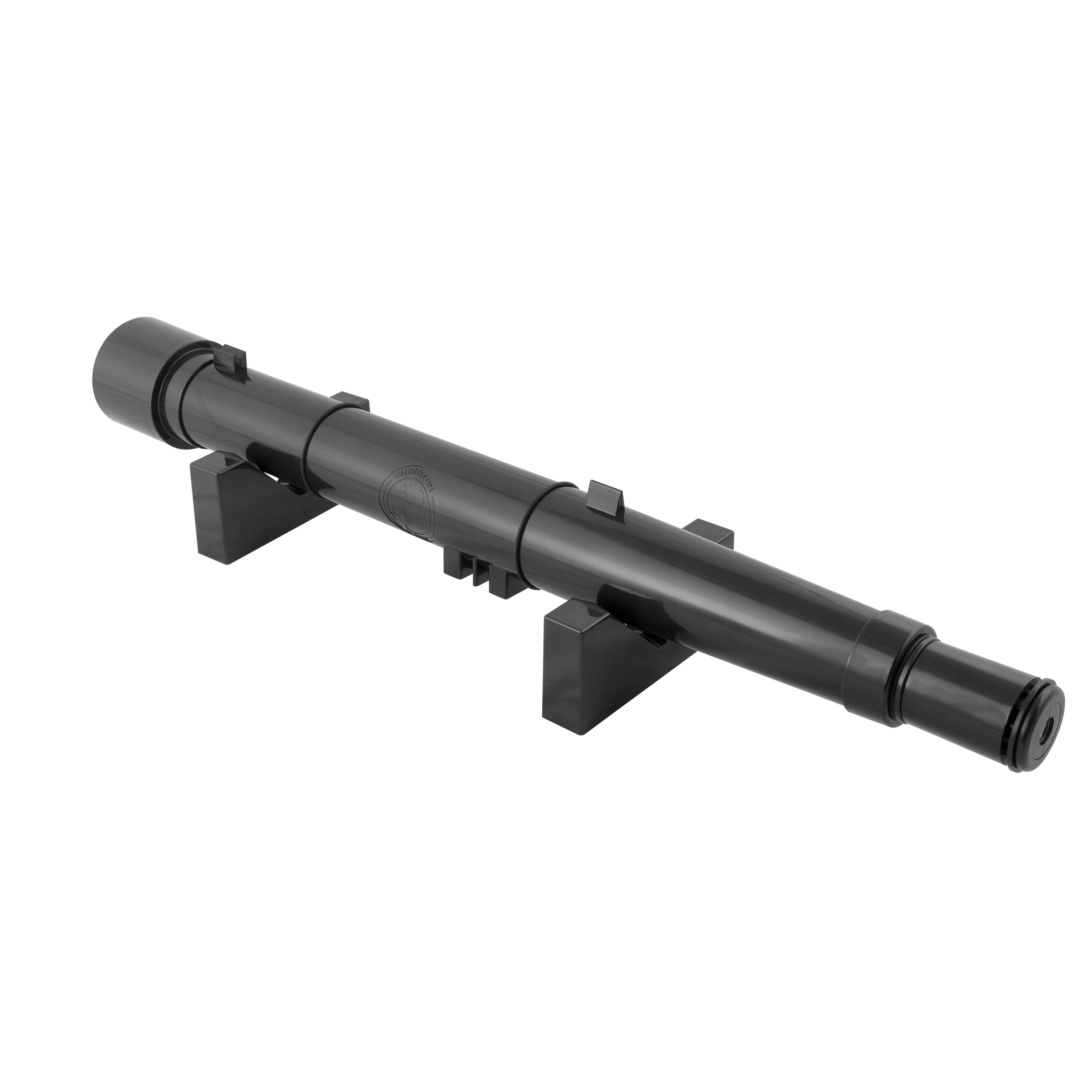
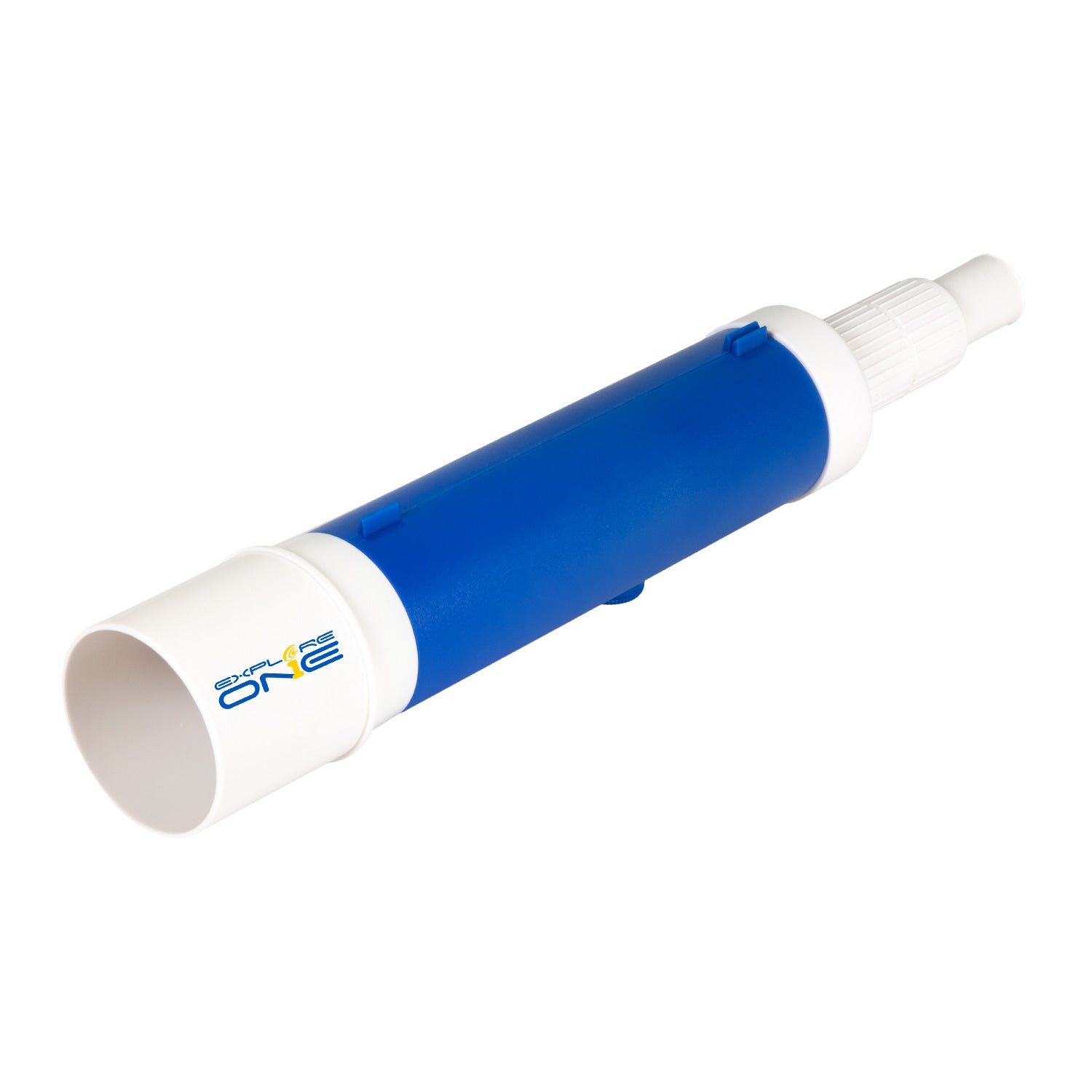
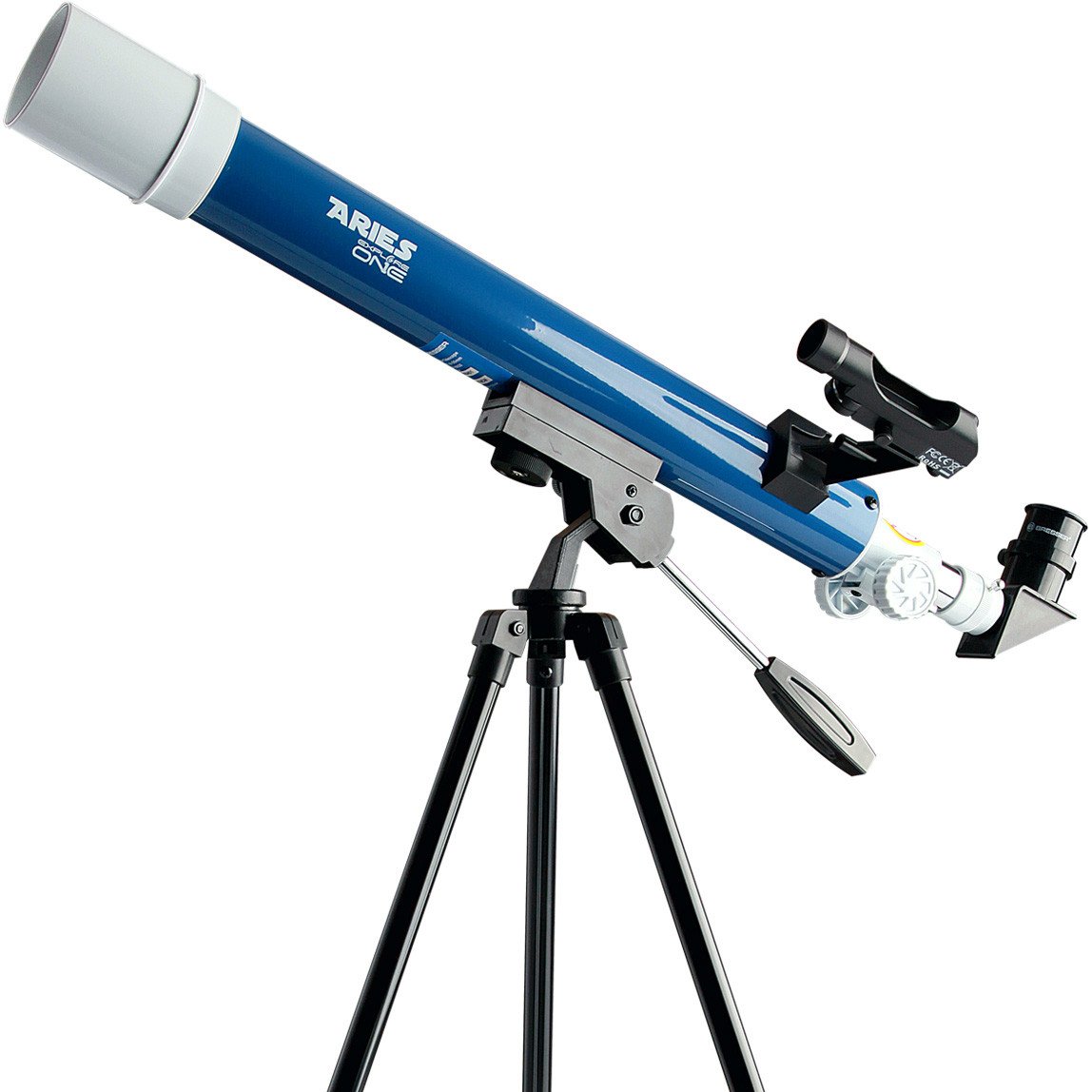
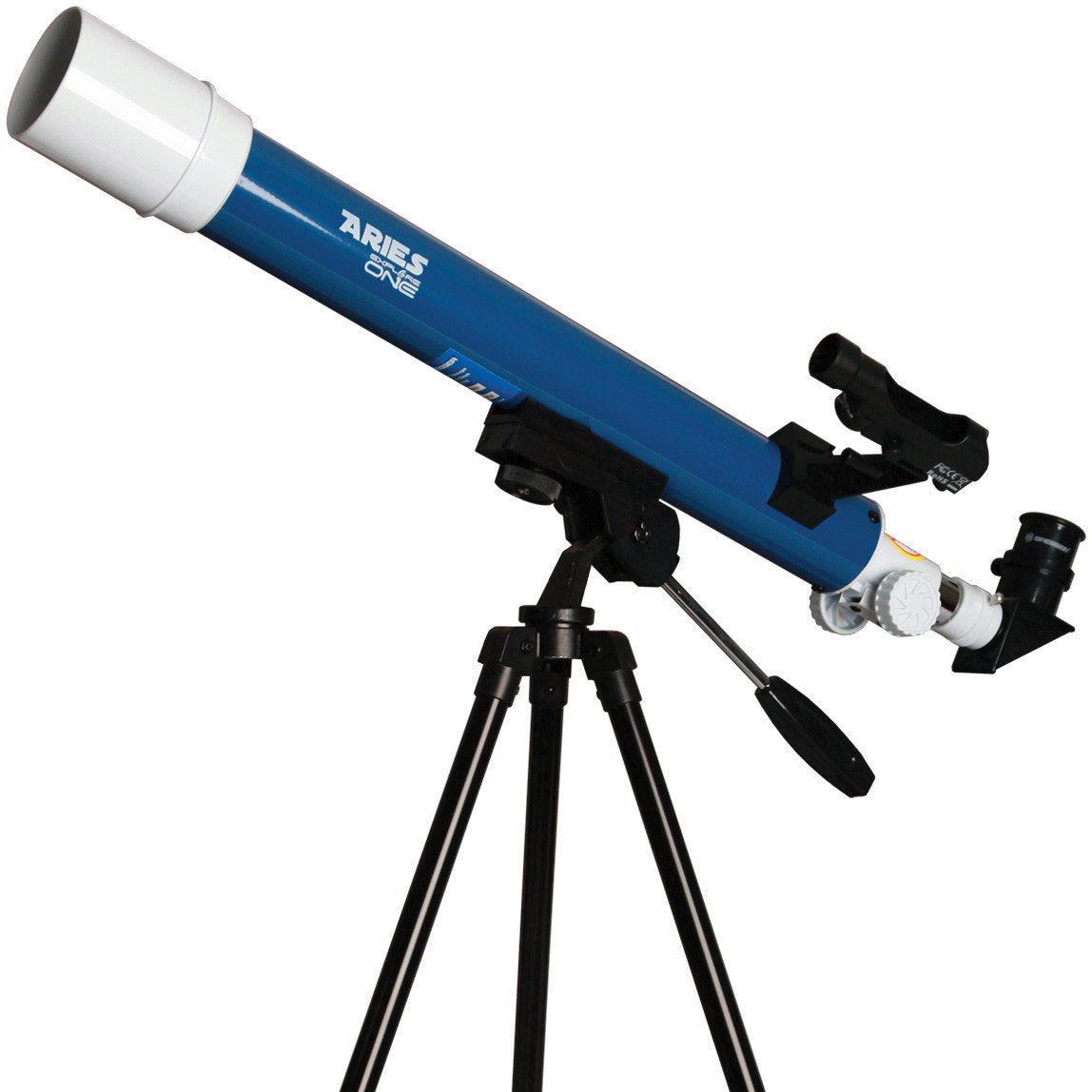
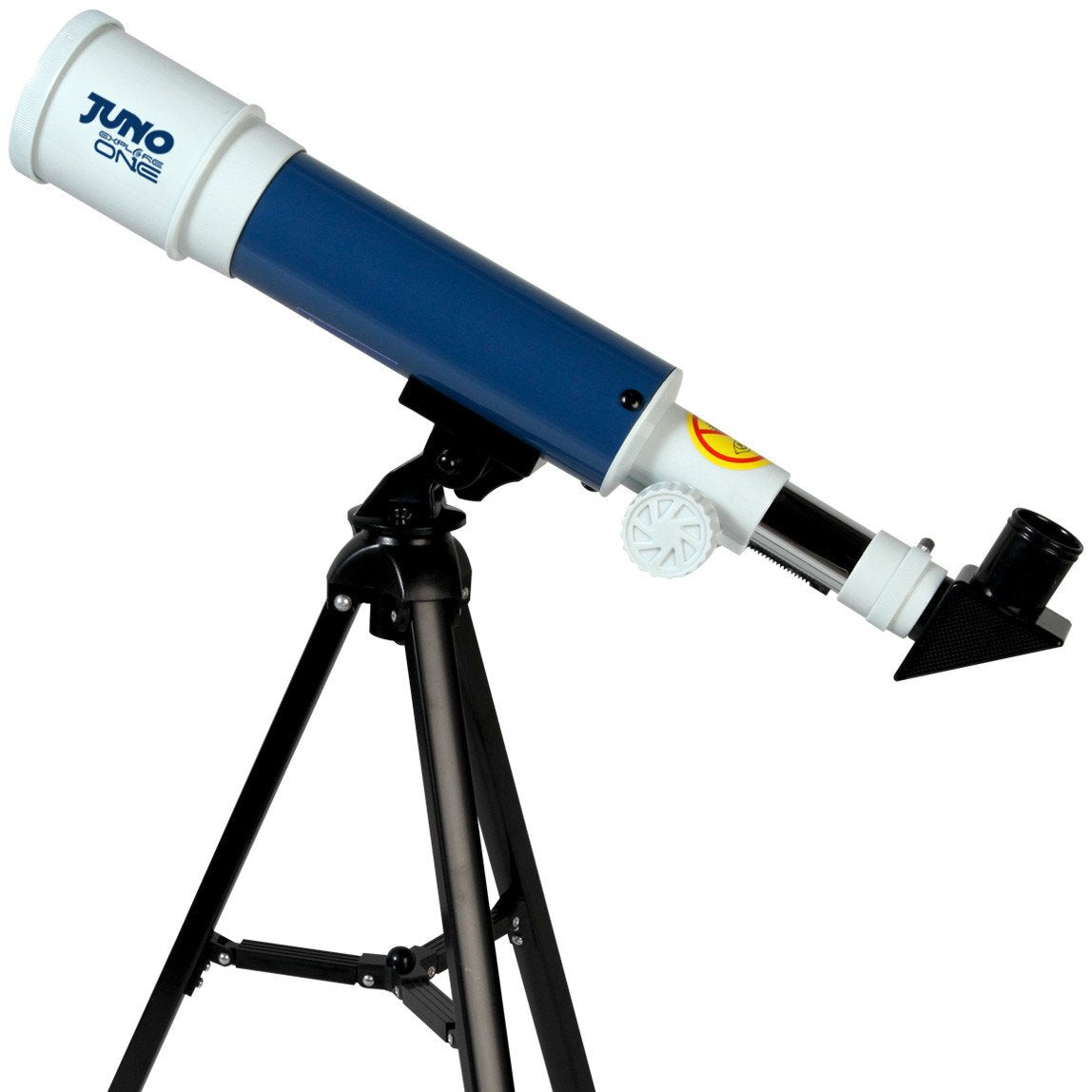
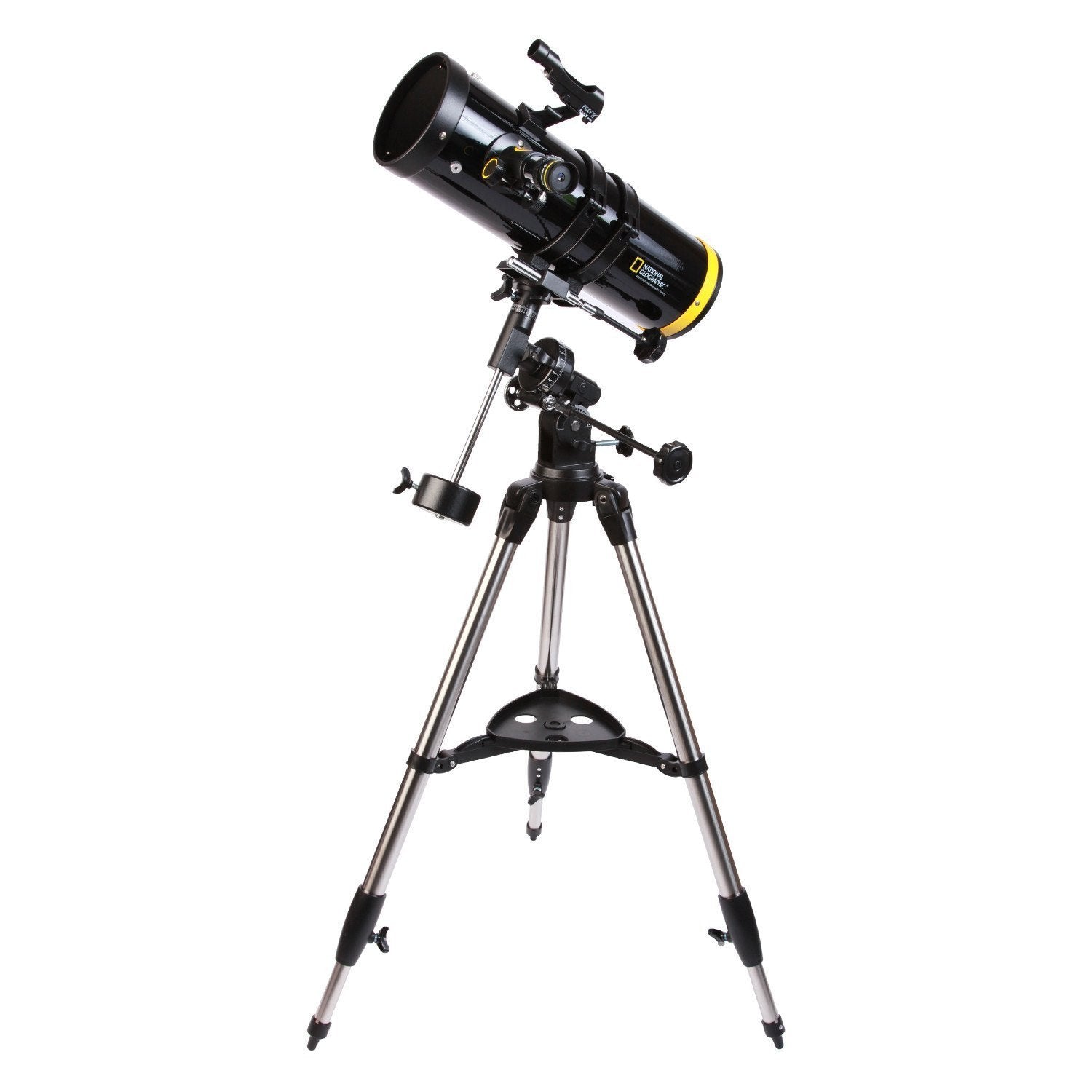
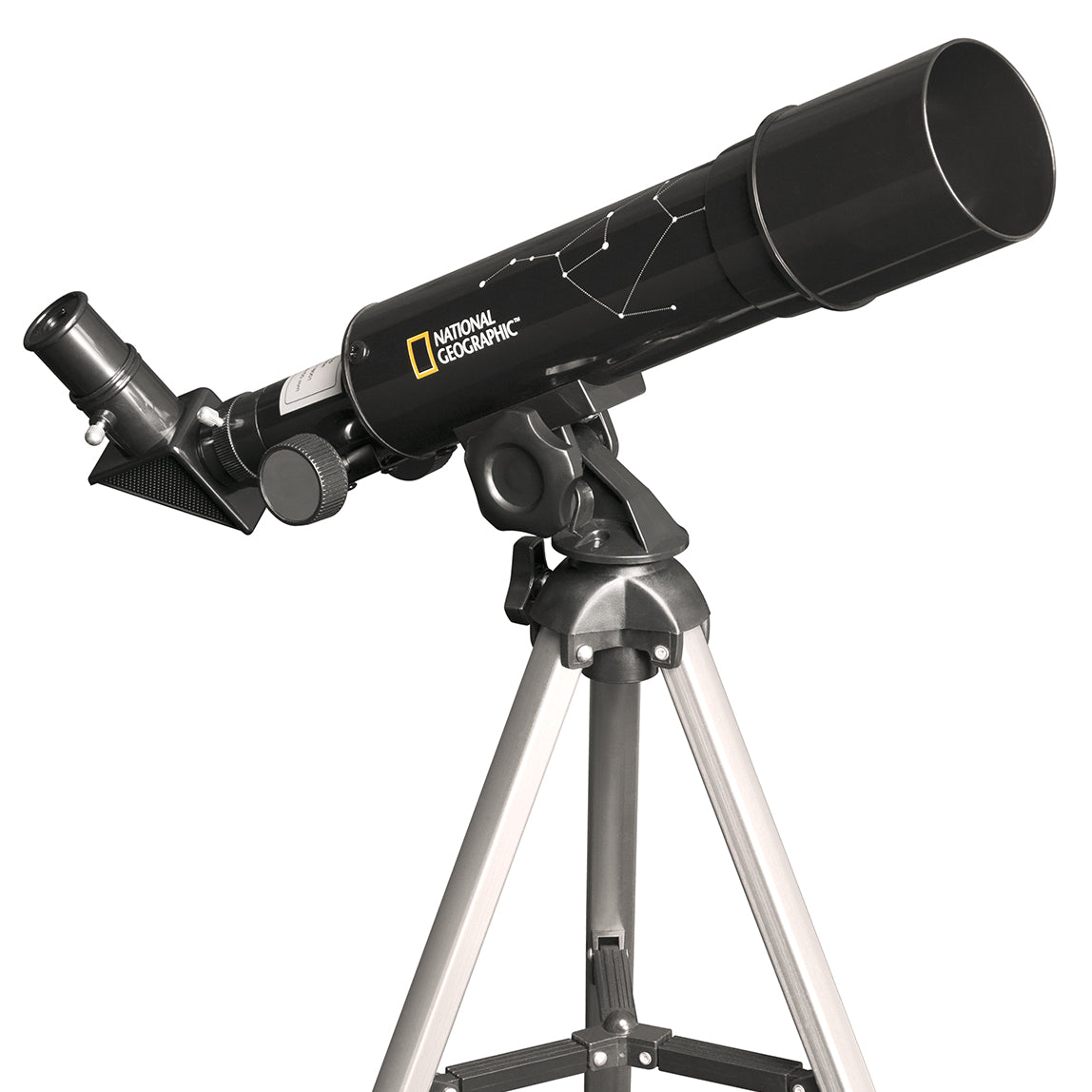
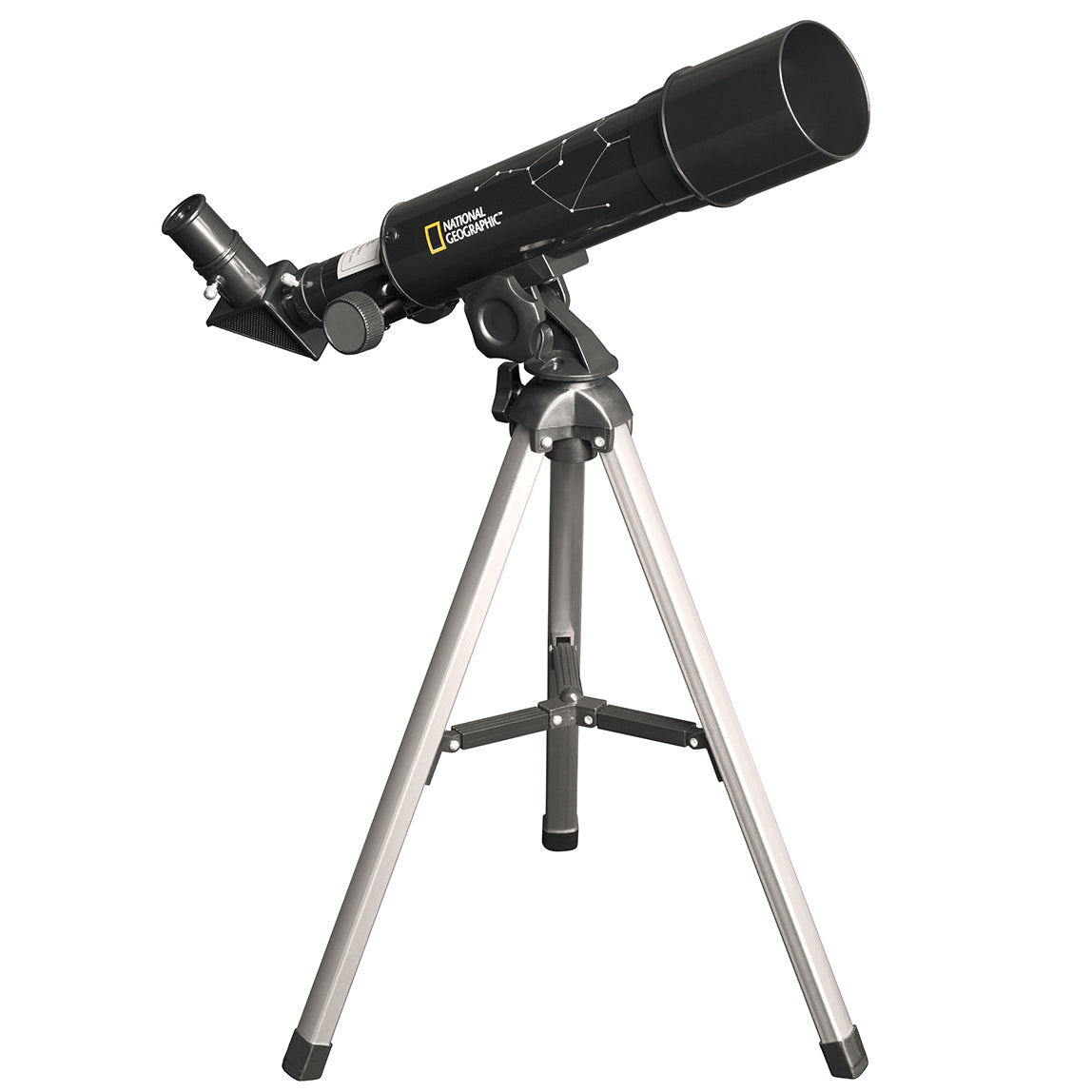
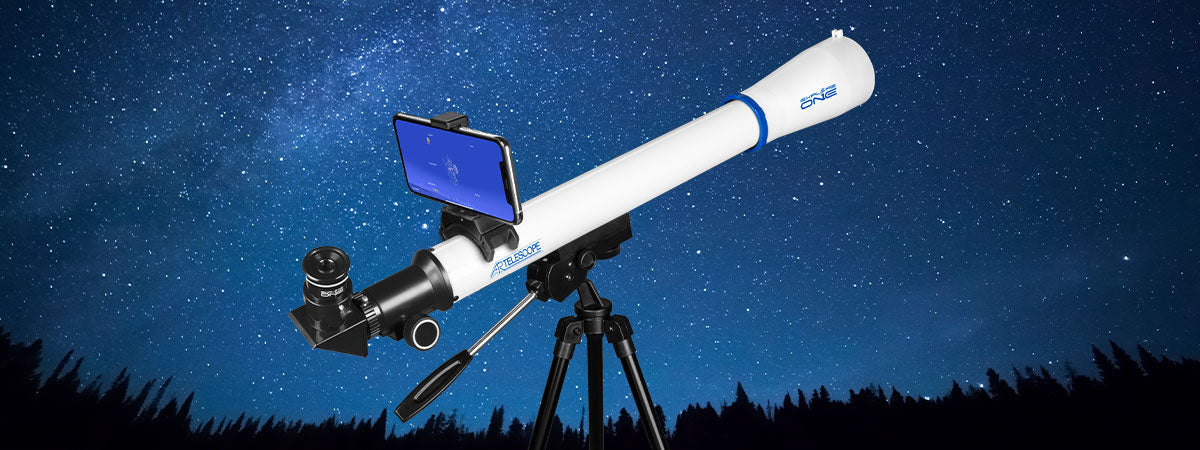
Telescopes allow us to observe distant objects that are too faint to see with the human eye. By collecting and focusing light, telescopes reveal details on the Moon, planets, and distant star clusters. Understanding how telescopes work introduces students to physics, optics, and engineering.
The Basic Parts of a Telescope
Every telescope contains two main components. The objective lens or mirror gathers light from distant objects. The eyepiece magnifies the focused image so it can be observed. The most important feature of a telescope is its aperture, which determines how much light it can collect.
Inspiring Future Scientists
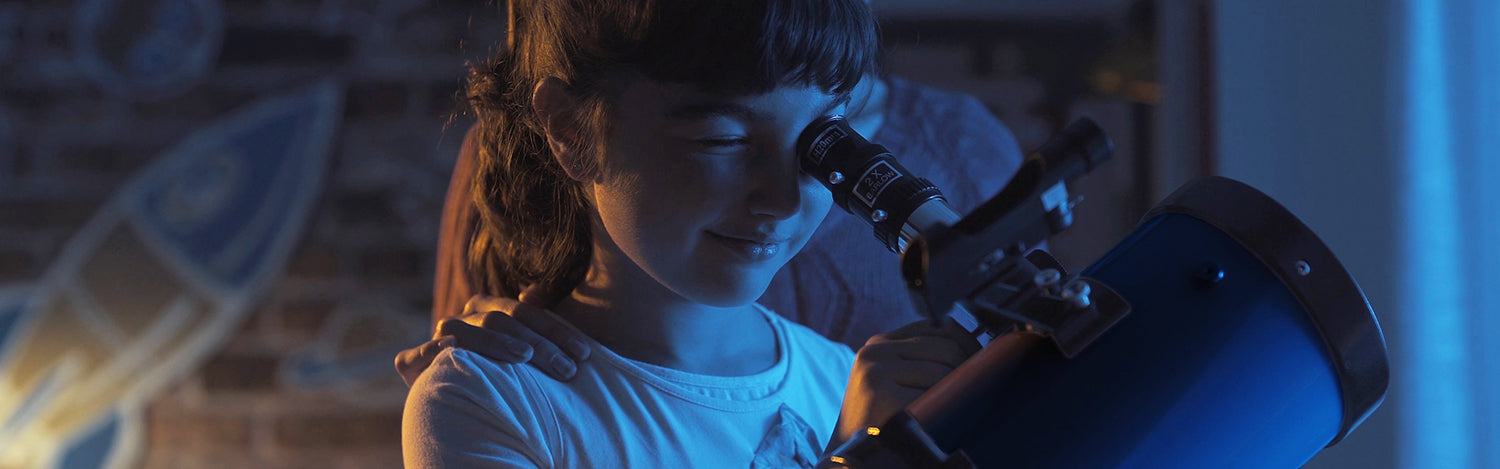
Astronomy has inspired curiosity and discovery for generations. When students observe the Moon through a telescope, identify constellations, or track the motion of planets, they begin asking the same kinds of questions scientists ask every day. Hands-on experiences like these help students see that science is something they can explore themselves.
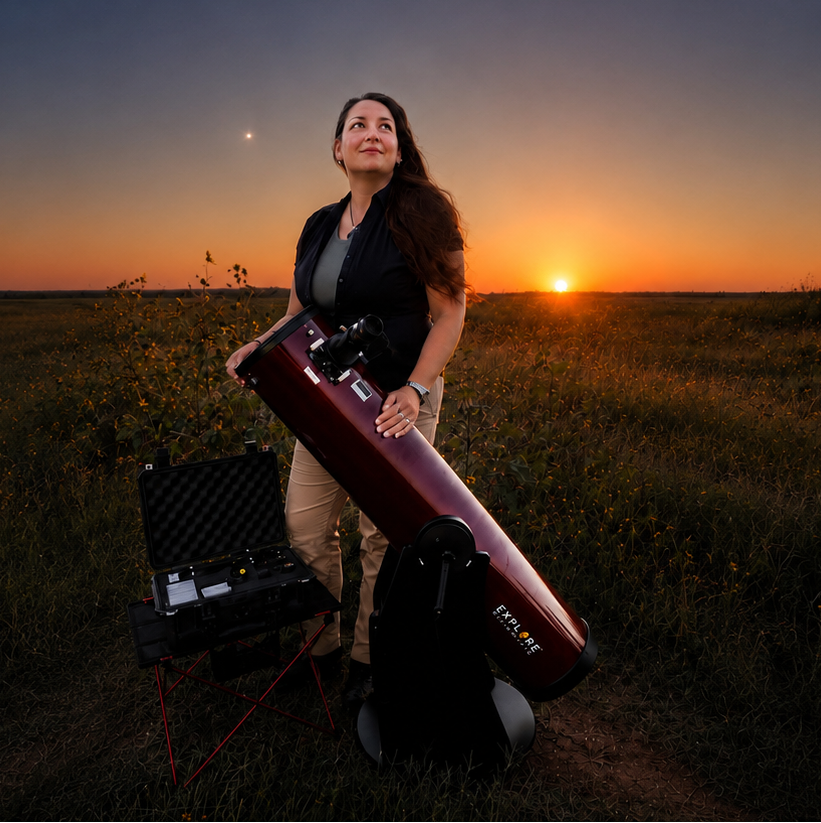
Many educators are also working to encourage more girls in STEM fields, helping ensure that opportunities in science, engineering, and technology are accessible to everyone. By giving young learners access to real scientific tools and opportunities to explore the universe, we can help inspire the next generation of scientists, engineers, and innovators.
Why Early STEM Experiences Matter
Curiosity about the natural world often begins at an early age. Simple experiences, like observing the Moon, mapping constellations, or viewing planets through a telescope, can spark an interest in science that lasts a lifetime. These activities help students practice the same methods scientists use every day: observation, measurement, comparison, and discovery.
Across classrooms, science clubs, and homes around the world, educators are creating opportunities for students to explore STEM learning through hands-on activities. Programs that encourage girls in STEM are also helping expand participation in scientific fields while continuing to inspire curiosity in all students. When students explore the night sky, science becomes more than a subject, it becomes an adventure.
STEM Learning & Astronomy FAQ
STEM stands for science, technology, engineering, and mathematics. STEM education focuses on helping students develop problem-solving skills, critical thinking, and scientific understanding through hands-on exploration and real-world applications.
Activities such as observing the Moon, identifying constellations, or experimenting with simple science tools help students experience STEM concepts in a practical and engaging way.
Astronomy connects many scientific disciplines. Observing the Moon, planets, and stars helps students explore physics, mathematics, engineering, and technology while developing curiosity about the universe.
Because the night sky is visible from almost anywhere, astronomy is one of the most accessible ways for students to begin exploring science.
Simple activities like tracking the phases of the Moon, identifying constellations, or observing planets through a telescope help students practice observation, measurement, and scientific reasoning.
These experiences can inspire curiosity and help students see science as something they can actively explore.
Although interest in science begins at an early age, girls are historically underrepresented in some STEM fields. Educational programs that encourage girls in STEM help expand opportunities while inspiring more students to explore careers in science and engineering.
At the same time, astronomy activities continue to inspire curiosity and discovery for all young learners.
Students can begin exploring astronomy with simple tools such as:
- beginner telescopes
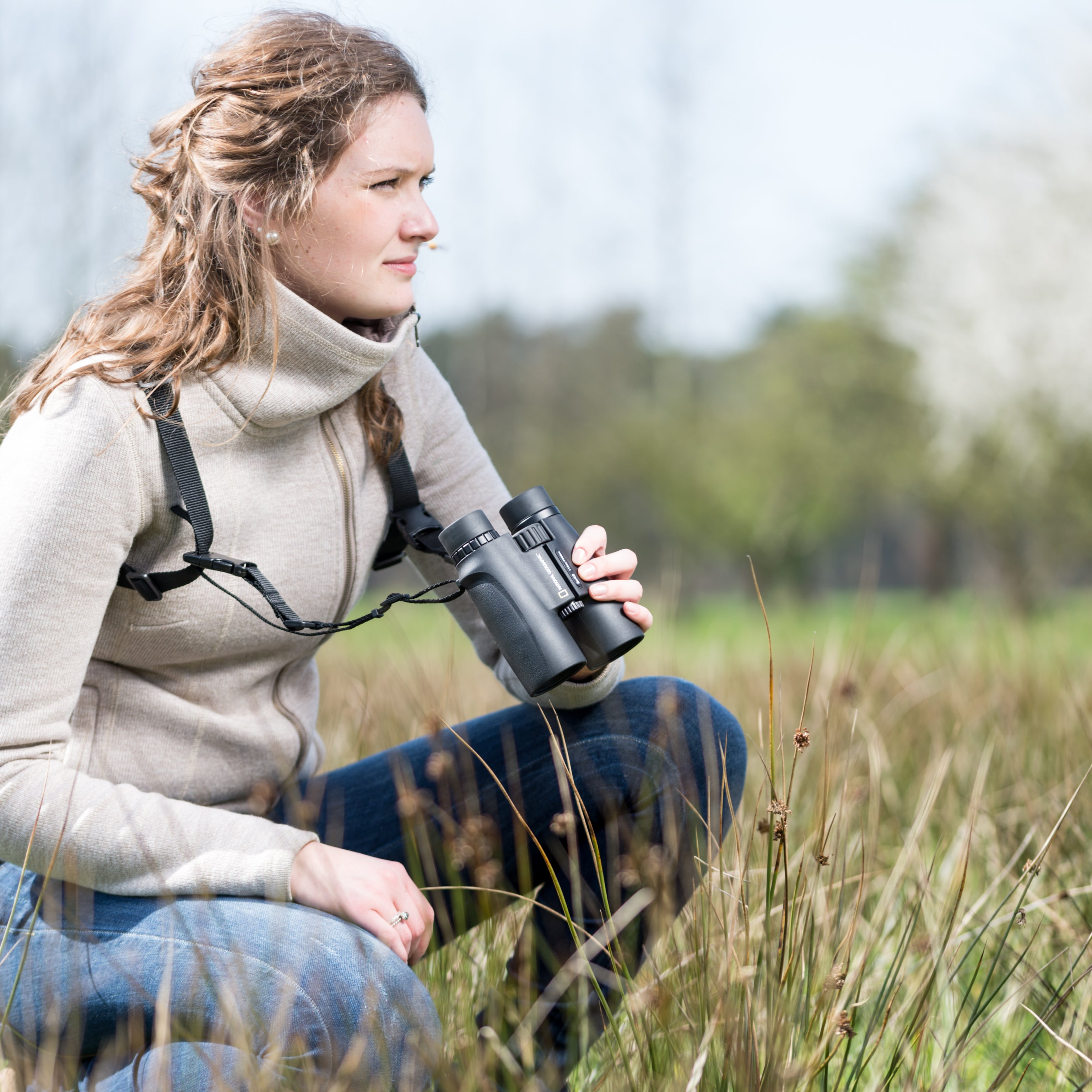
- astronomy binoculars
- star charts or astronomy apps
- observation journals
These tools allow students to observe the Moon, planets, and stars while learning about the science behind the universe.
Astronomy allows students to explore science through direct observation and discovery. Activities such as observing the Moon, tracking planets, or identifying constellations can help build curiosity and confidence in scientific exploration. Programs that provide access to scientific tools and encourage participation in astronomy help expand opportunities for students, including girls interested in STEM, while inspiring the next generation of scientists and engineers.
Parents can support girls in STEM by encouraging curiosity, asking questions about how things work, and providing opportunities to explore science through hands-on activities. Simple experiences, like observing the Moon, using a telescope, building science projects, or visiting a planetarium, can help make science exciting and accessible. Exposure to real scientific tools and exploration often helps students imagine themselves pursuing future careers in science and engineering.