



92° ED Series 9mm Waterproof Eyepiece
The Explore Scientific 92 degree ED 9mm eyepiece with a 2 inch barrel is designed for high magnification viewing with an ultra wide, immersive field of view. It is ideal for observing planetary detail and smaller deep sky objects while maintaining a sense of space and scale. The 92 degree apparent field of view creates a dramatic, immersive experience that allows objects to remain in view longer and reduces the need for constant repositioning. This is especially valuable at higher magnifications.
The extra low dispersion glass enhances clarity by reducing chromatic aberration and improving contrast. Fine details become more visible, and color accuracy is preserved, resulting in a more refined image. The eyepiece also offers long eye relief, providing comfort during extended viewing sessions.
This is a premium option for those who want high magnification performance without sacrificing field of view.
Product Specifications
Get to know the 92° ED Series 9mm Waterproof Eyepiece from Explore Scientific
13.5mm
2”
18mm
9 in 6 groups
(L) 141mm x (W) 58mm
N/A
H-FK61 (Fluorophosphate/Crown-Type Low-Dispersion Glass)
81.6
Multi-Layer

Explore Scientific Eyepiece Guide
ED Glass Eyepieces Explained: Clarity, Contrast, and Performance
Choosing the right telescope eyepiece has a direct impact on how much detail you can see and how immersive your observing experience feels. One of the most important features to look for in a high-quality eyepiece is ED glass, also known as extra-low dispersion glass. This advanced optical material is designed to improve image clarity, reduce distortion, and enhance contrast across a wide range of observing conditions.
In practical terms, ED glass helps deliver sharper views of planets, more defined star fields, and greater visibility of deep sky objects like nebulae and galaxies. By reducing chromatic aberration, which can appear as unwanted color fringing around bright objects, ED eyepieces produce cleaner and more natural images. This allows your telescope to perform closer to its full potential.
Whether you are observing fine planetary detail at higher magnification or scanning wide areas of the night sky, an ED eyepiece provides a noticeable improvement in image quality. It is one of the most effective upgrades you can make to enhance both clarity and overall viewing performance.
What is ED glass in a telescope eyepiece?
ED glass, or extra-low dispersion glass, is a specialized optical material designed to reduce how much light separates into different colors as it passes through a lens. In a telescope eyepiece, this helps produce a sharper and more accurate image by keeping colors aligned instead of spreading into unwanted color fringing.
Why is ED glass important for image quality?
ED glass significantly improves clarity by reducing chromatic aberration, which is the color distortion that can appear around bright objects like the Moon, planets, and stars. By minimizing this effect, ED eyepieces deliver cleaner, higher contrast views with more precise detail and more natural color representation.
What is chromatic aberration and how does ED glass reduce it?
Chromatic aberration occurs when different wavelengths of light focus at slightly different points, creating a blurred or color-fringed image. ED glass is engineered to bring those wavelengths closer together, resulting in a sharper image with improved focus and reduced color distortion.
Do ED eyepieces make a difference for planetary viewing?
Yes, ED eyepieces are especially beneficial for planetary observation. They enhance fine detail and contrast, making it easier to see features like Jupiter’s cloud bands, Saturn’s rings, and subtle surface variations on the Moon. The improved color accuracy also helps distinguish small differences in tone and structure.
Are ED eyepieces better for deep sky objects?
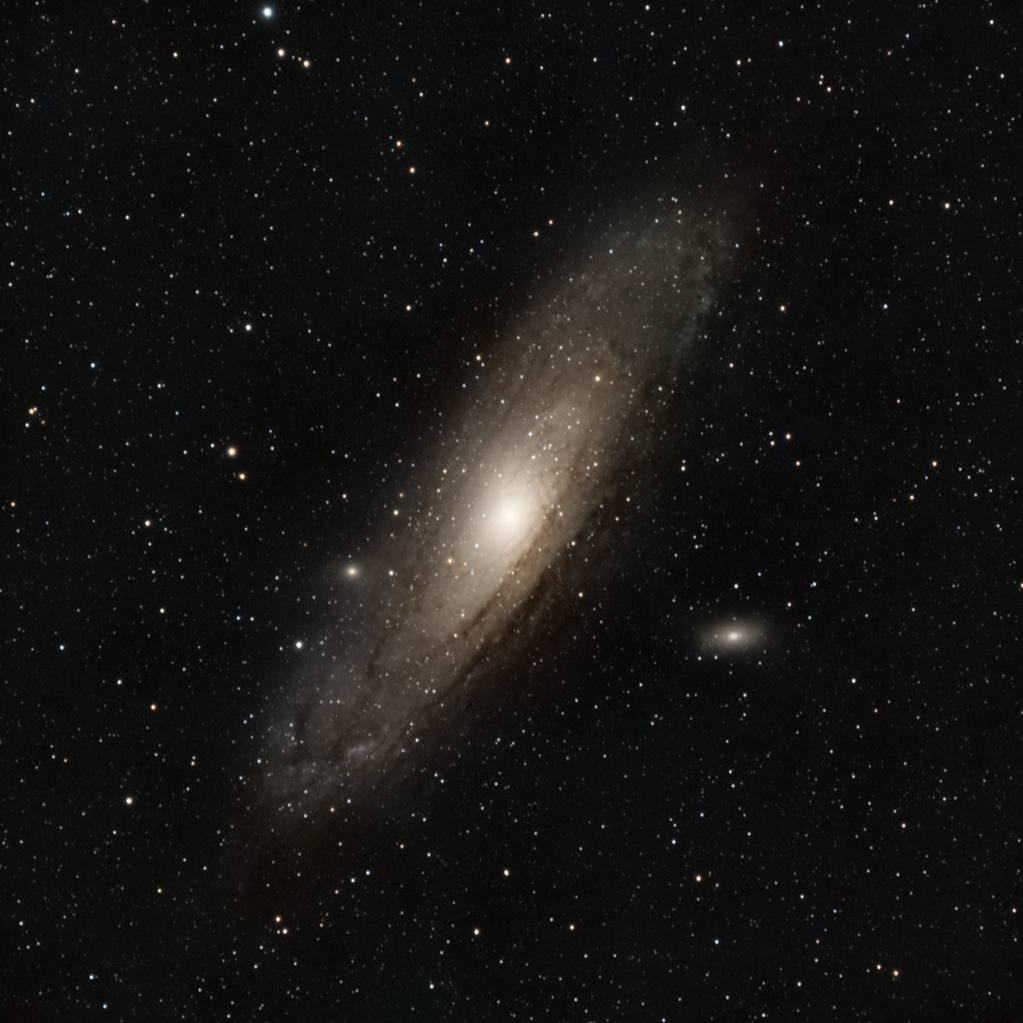
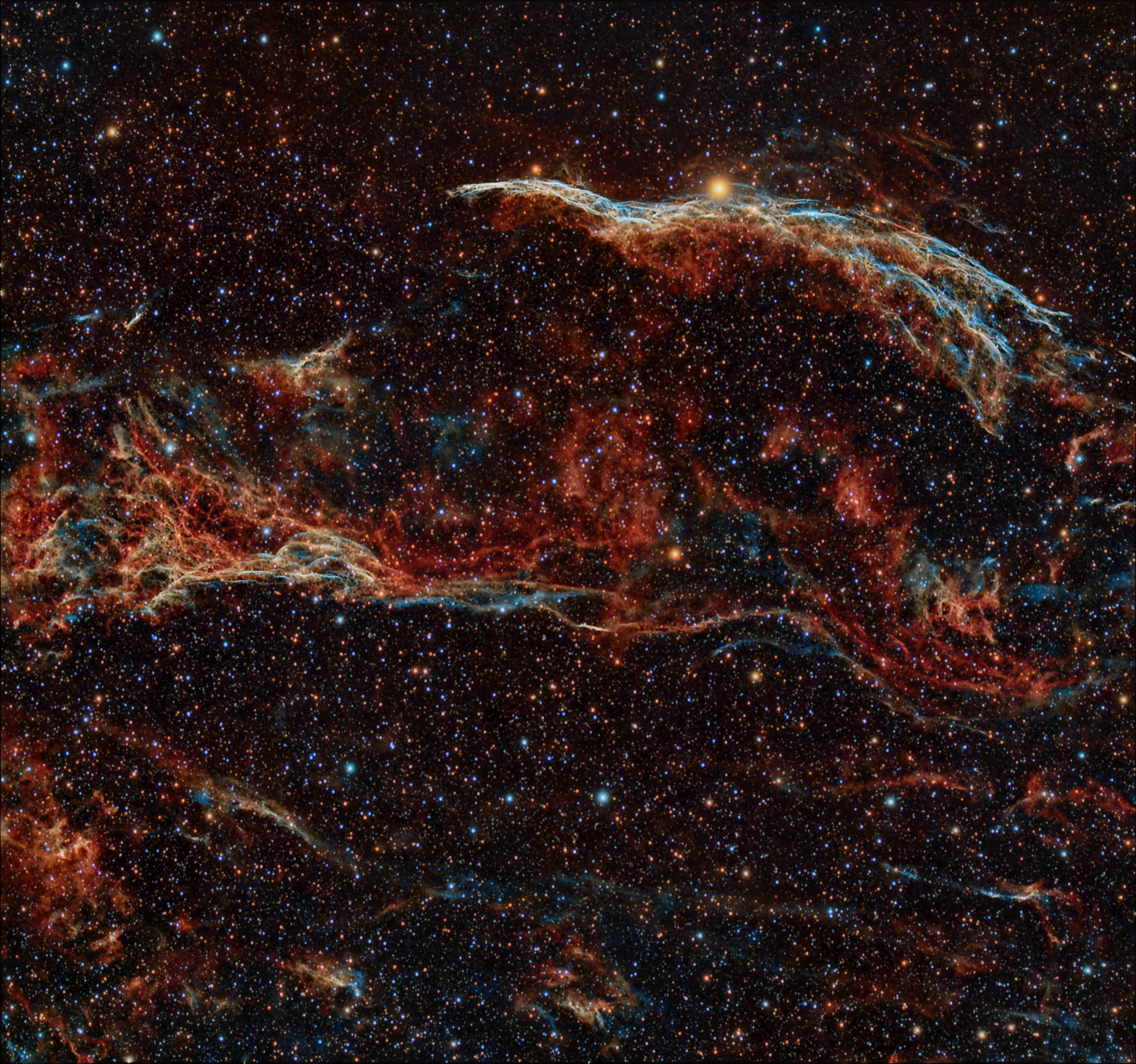
ED eyepieces can improve the visibility of deep sky objects by increasing contrast and clarity. This makes faint objects like nebulae and galaxies stand out more clearly against the background of space, allowing you to see more structure and detail.
Do ED eyepieces perform better at higher magnifications?
Yes, one of the key advantages of ED glass is its ability to maintain image quality at higher magnifications. As you increase magnification, optical imperfections become more noticeable. ED glass helps preserve sharpness and contrast, allowing for more detailed and stable views.
Will ED eyepieces improve any telescope?
ED eyepieces can enhance the performance of most telescopes by improving how light is delivered to your eye. While the overall quality still depends on the telescope itself, upgrading to an ED eyepiece is one of the most effective ways to achieve sharper, clearer views without changing your optical tube.
Are ED eyepieces good for beginners?
Yes, ED eyepieces are a great choice for beginners because they make it easier to see clear, well-defined images. This helps new users better understand what they are observing and reduces frustration caused by blurry or distorted views.
What makes ED eyepieces different from standard eyepieces?
The primary difference is the use of extra-low dispersion glass, which improves color correction and overall image quality. Compared to standard eyepieces, ED eyepieces deliver sharper detail, better contrast, and a more refined viewing experience.
Is ED glass worth it for astronomy?
For most observers, ED glass is absolutely worth it. It enhances the overall viewing experience by improving clarity, reducing visual distractions, and helping reveal more detail in both planetary and deep sky observations.