

STEM Zone: Predicting lunar phases
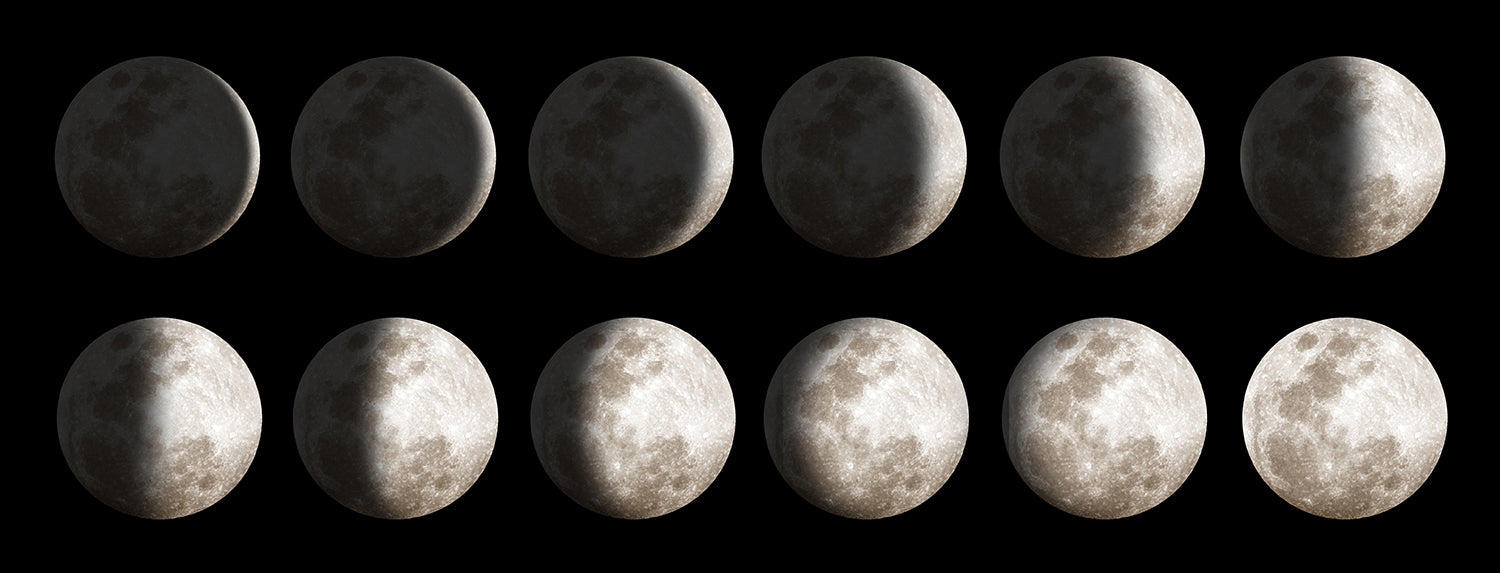
Teach Moon phases with this easy lunar activity By Dr. Daniel Barth One of the crucial questions that teachers and home school parents face is: ‘How do I provide high quality science instruction?...

You don’t have to sail the high seas or come across an ancient map to find buried treasure. In fact, all around us precious metals are located just beneath the surface waiting to be found. All you ...
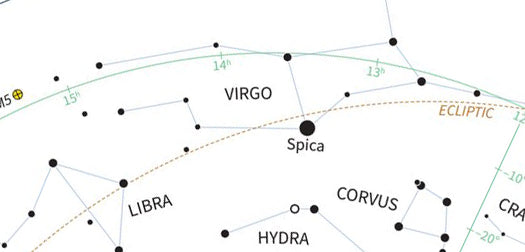
May Favorite Virgo is a Galactic Treasure Trove
Offering up a feast of intriguing galaxies, the Virgo constellation is an ideal May target for stargazers in either hemisphere. As the second-largest constellation, Virgo covers 1,294 square degree...
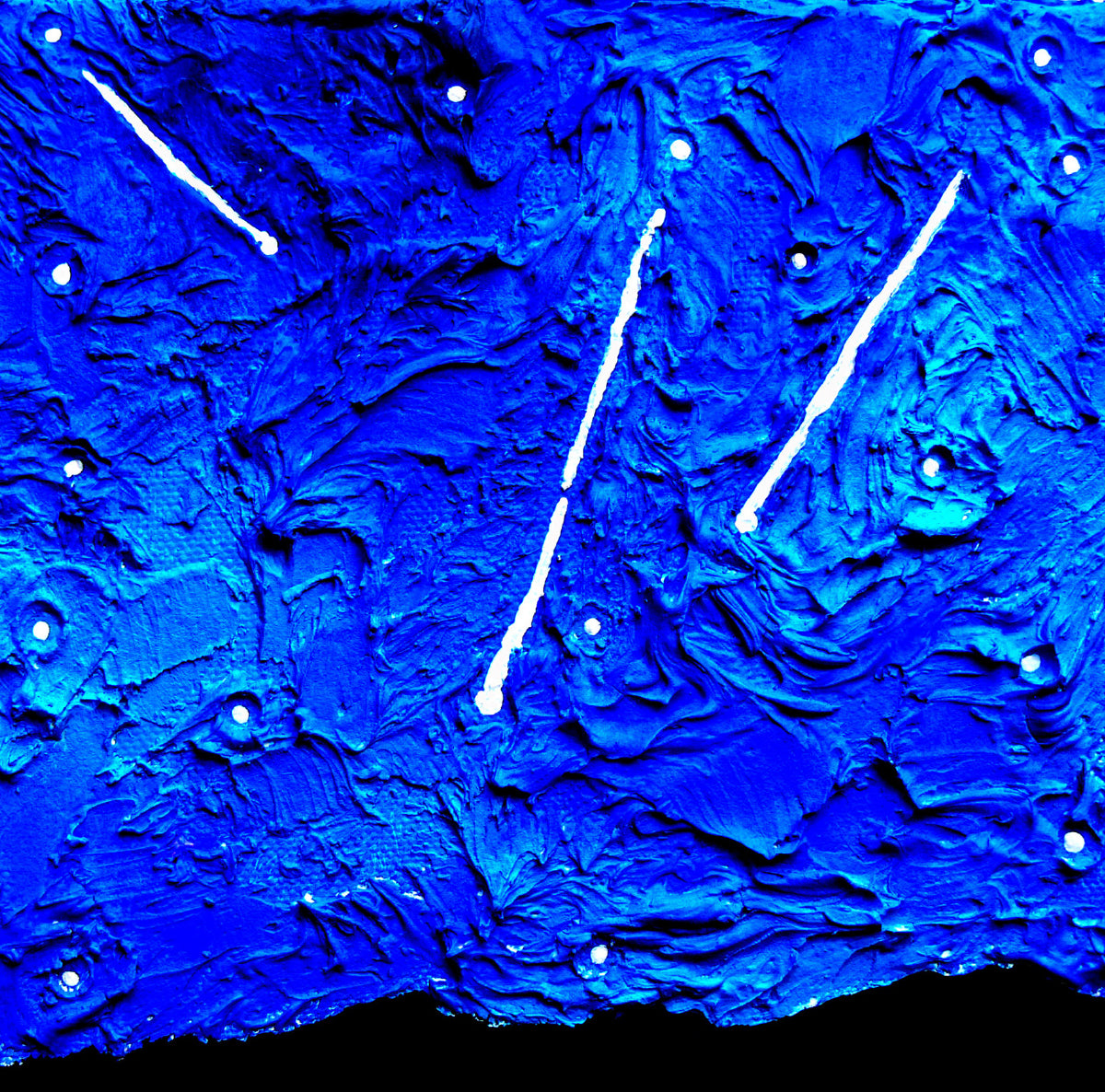
The Lyrids are here! Maximize your meteor count!
Our bustling solar system is littered with rocky particles of space debris known as meteoroids. Although most are unimpressive in size, these pebble-sized pieces of cosmic clutter can still put o...

Meet the Moon: A Journey Across The Lunar Terrain
It’s a steady presence in all of our lives, but few people take the time to truly get to know Earth’s closest neighbor. In this recurring blog post, accomplished astronomer and astrophotographer D...

Make your own Earth-Moon system model
It can be difficult for kids to truly understand the Earth-Moon system using just textbooks and websites. In these sources the relative size of the Earth and Moon are often shown incorrectly and th...
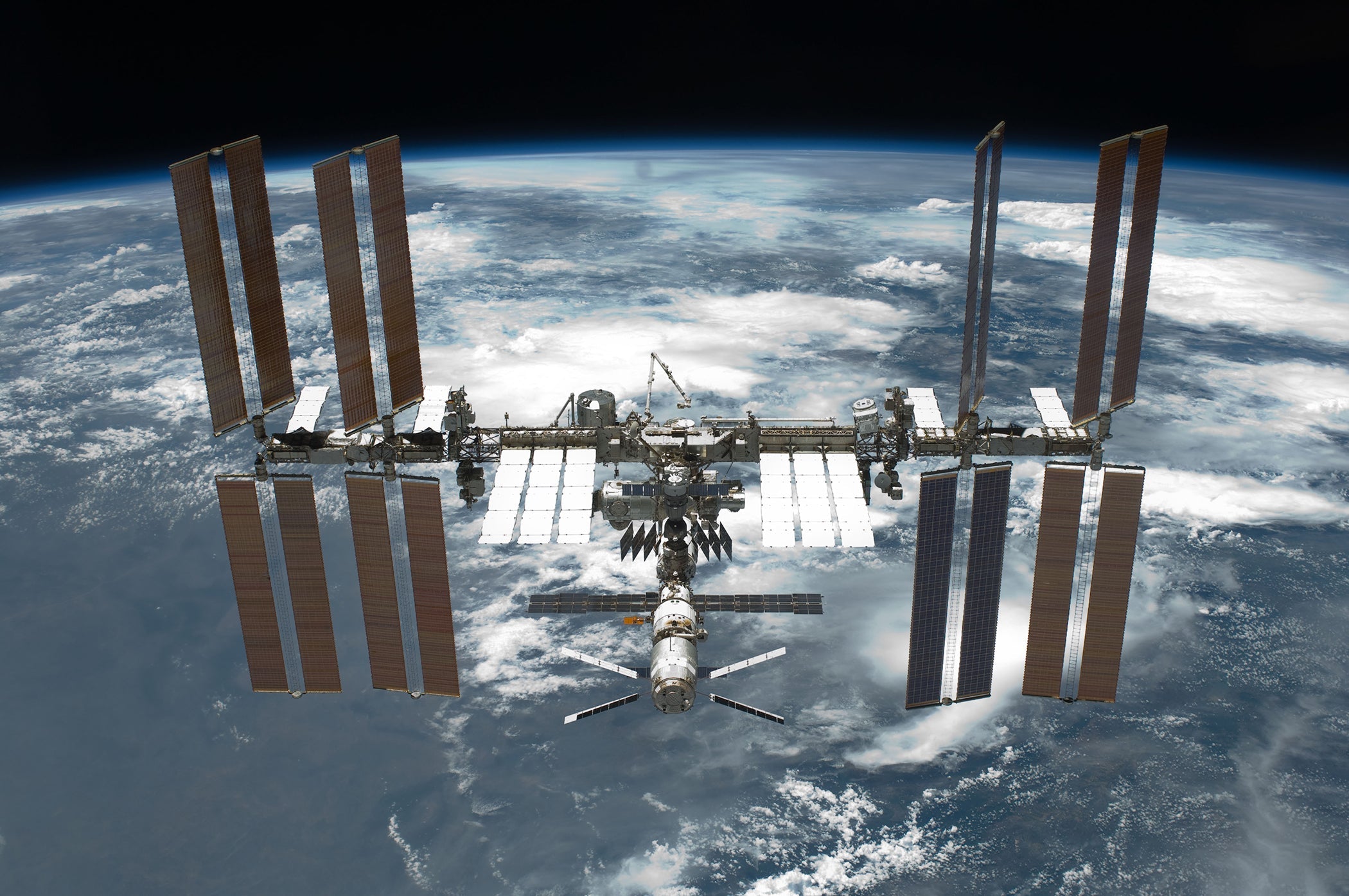
The International Space Station has been a fixture in the sky since its first component was launched in 1998, and it is a bright sight to behold if you can catch it. Depending on your location, you...

Ursa Major constellation is full of deep sky delights
Astrophotographer Mike Wiles took this image of the Pinwheel Galaxy. This spiral galaxy is a popular observing target and has an impressive diameter of around 170,000 light years — making it much...
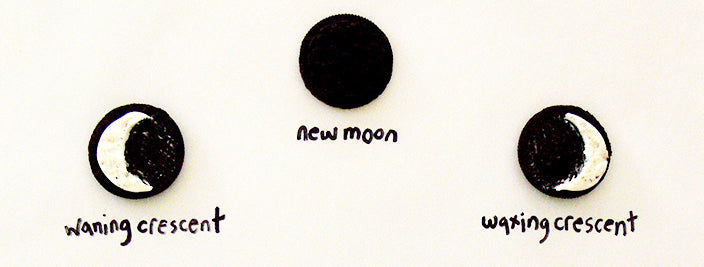
STEM Zone: Lunar Learning With a Tasty Twist
Make a Moon Phase Diagram With Cookies By Dr. Daniel Barth When we first look up at the sky, the Moon is probably the first thing we notice. It fascinates us, child and adult alike, with its chan...

Auriga Constellation: Visit the Galactic Anticenter!
February is an ideal time to catch the Auriga Constellation riding across the northern hemisphere’s winter sky. Known as The Charioteer, Auriga is visible from 90° North to 40° South and plays ho...
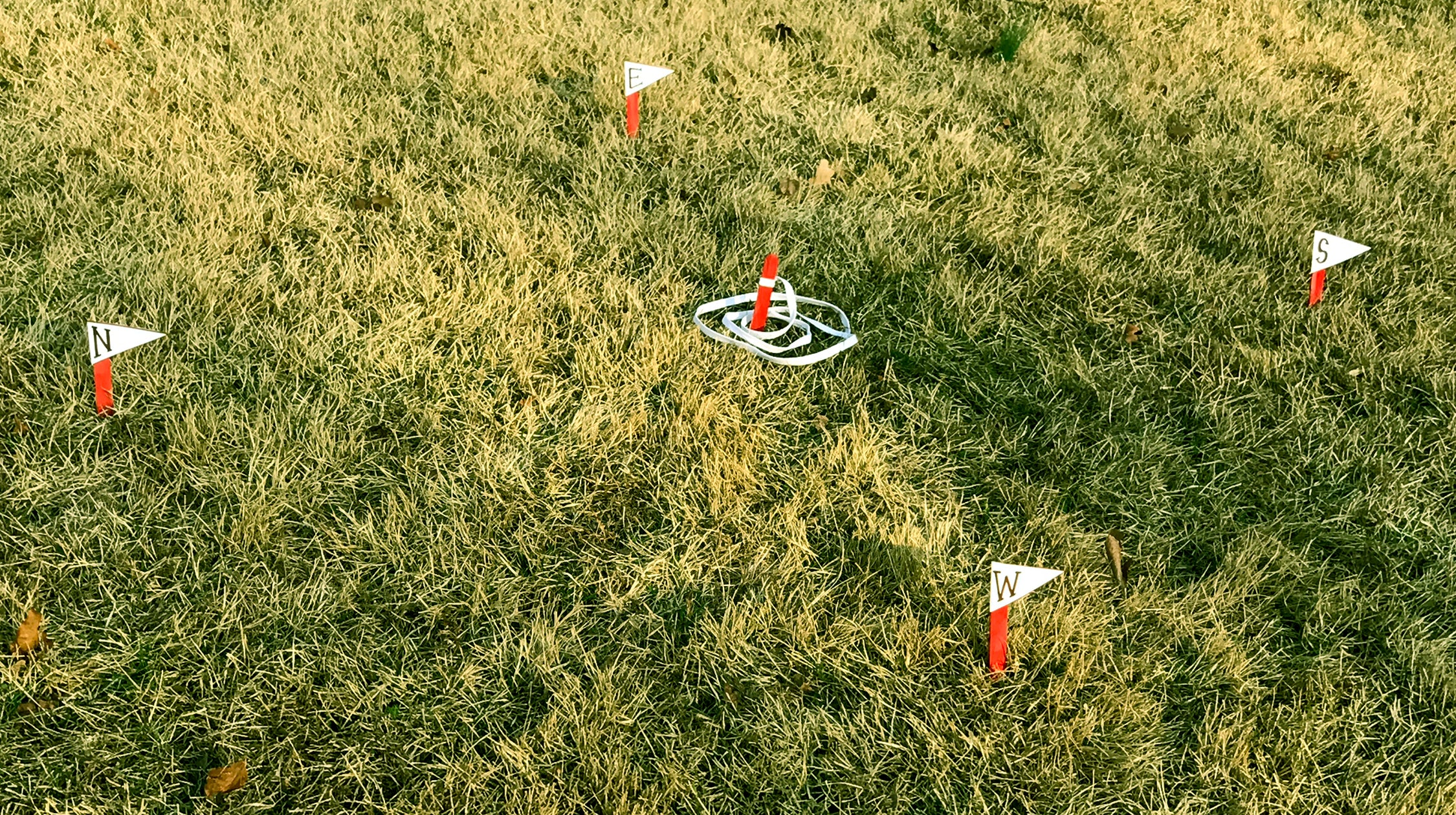
STEM Zone: Measuring the Moon's Motion
Everyone knows that the Moon revolves in orbit around the Earth. But how do we really know this? Can we see the Moon move? Can we measure it? You may have also been told that the Moon’s motion has...

Meet the Moon: A Journey Across the Lunar Terrain
It’s a steady presence in all of our lives, but few people take the time to truly get to know Earth’s closest neighbor. In this recurring blog post, accomplished astronomer and astrophotographer Dr...
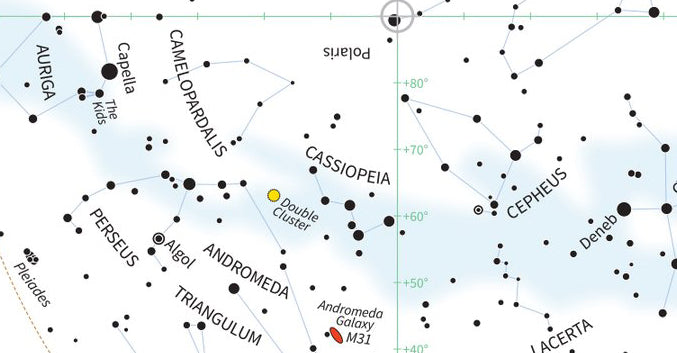
Cassiopeia constellation is a beauty to behold!
In mythology, Cassiopeia was a vain creature undone by her arrogance. But the circumpolar constellation that bears her name certainly has some celestial beauties worth boasting about. Visible from ...