



Newtonians
All FirstLIght Newtonians use high-precision spherical mirrors.
Filters
2 products


Newtonian Reflector Telescopes
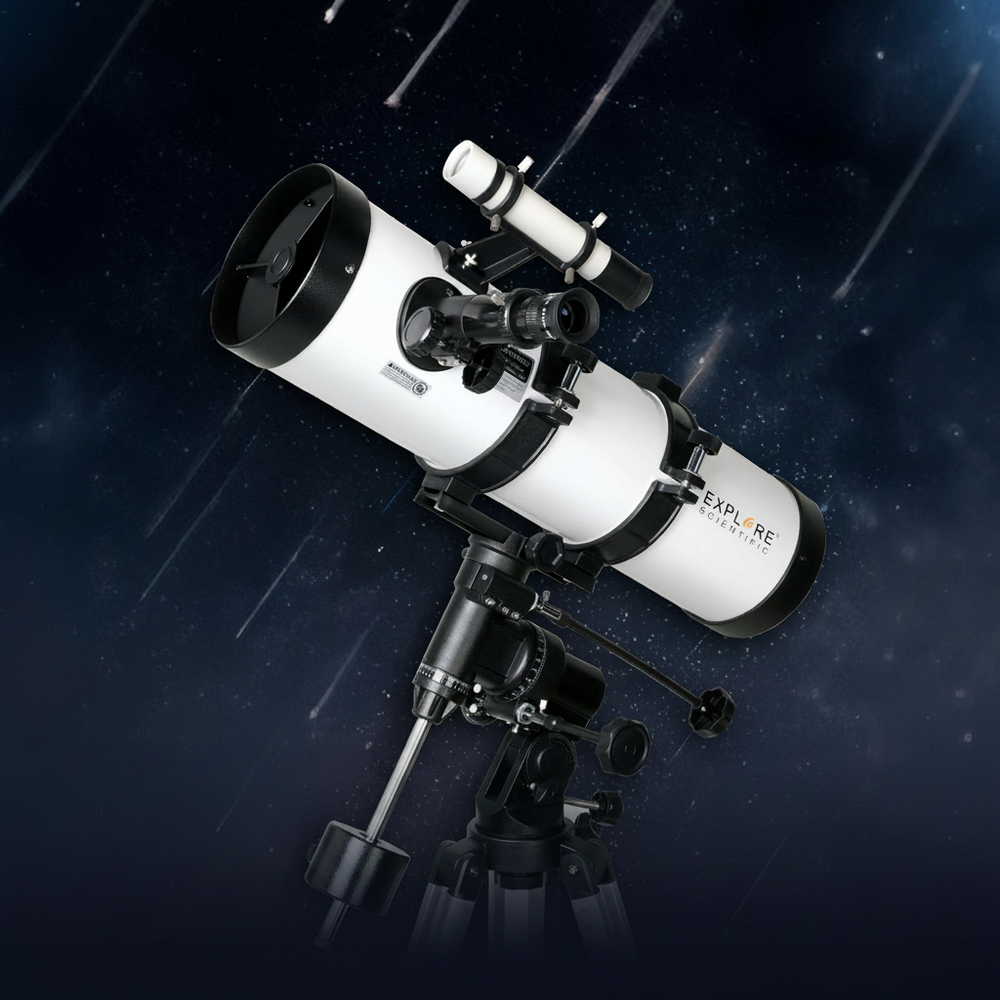
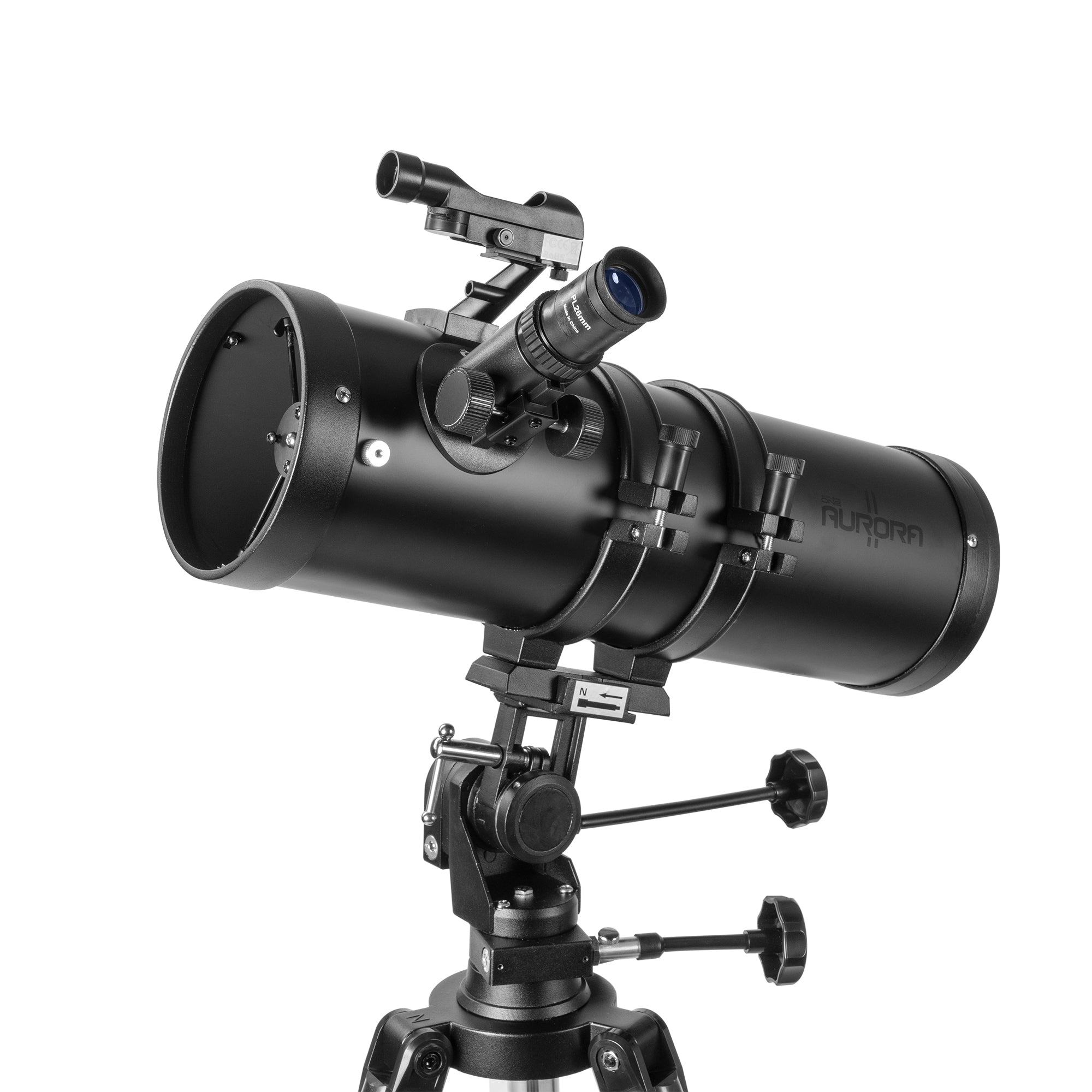
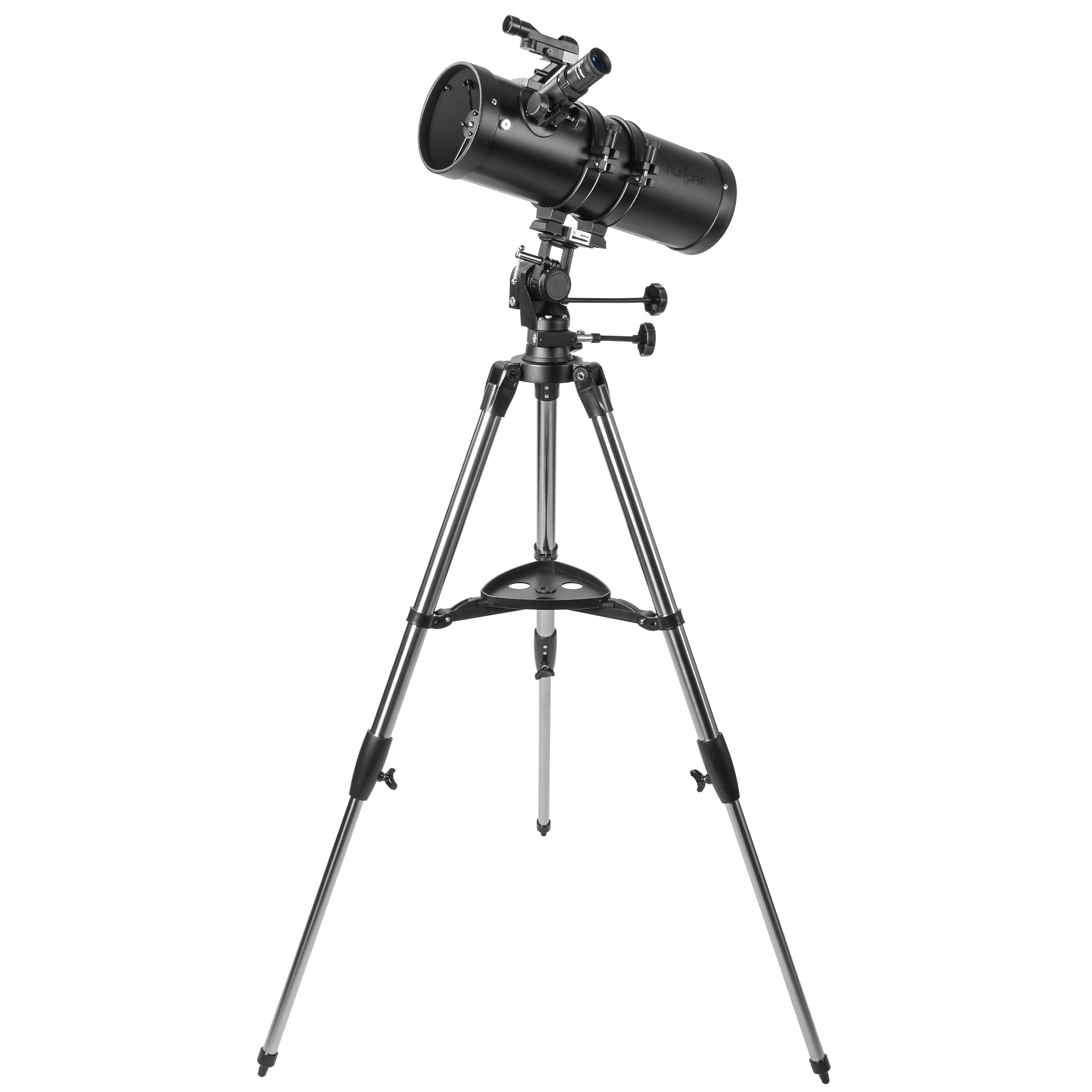
The Newtonian telescope, invented by Sir Isaac Newton in 1668, uses a concave primary mirror to gather light and a flat secondary mirror to direct it to an eyepiece on the side of the tube. Because mirrors are less expensive to produce than large lenses, Newtonian reflectors deliver generous aperture at an affordable price, along with images free of the color fringing that can affect simple refractors.
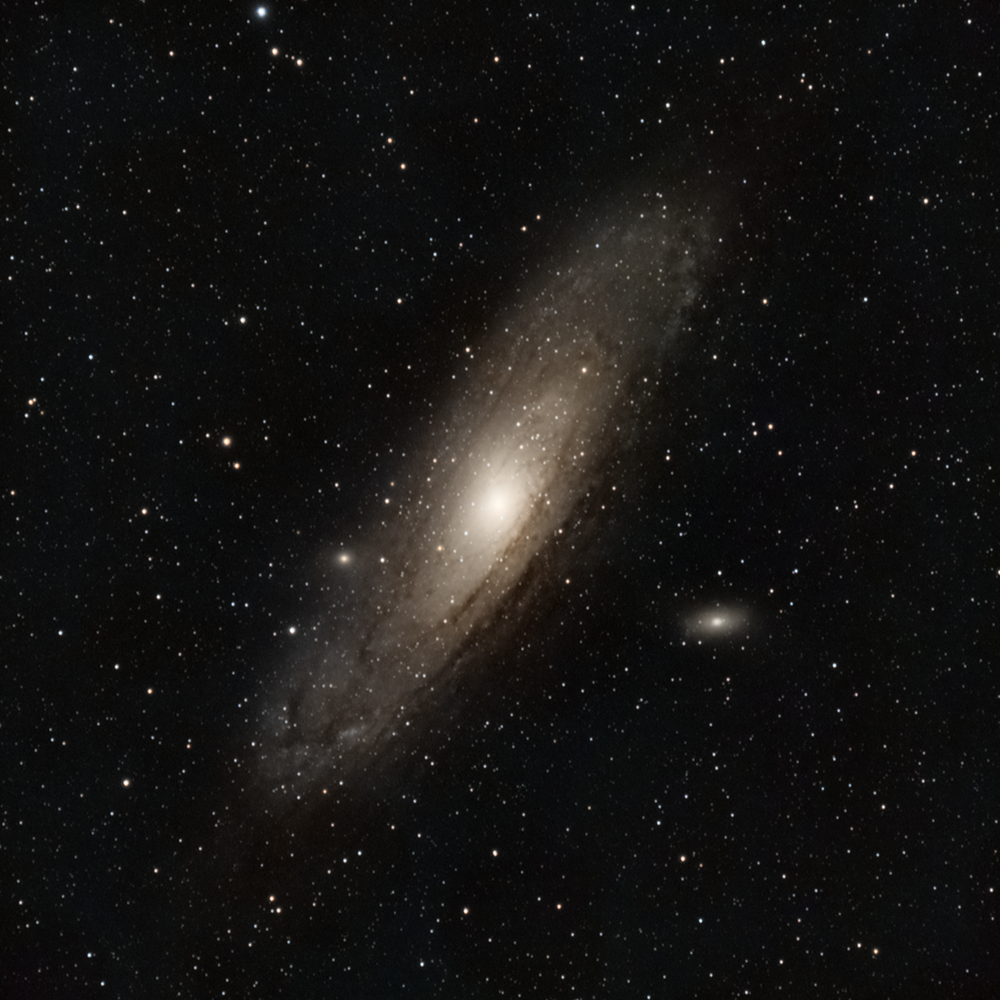
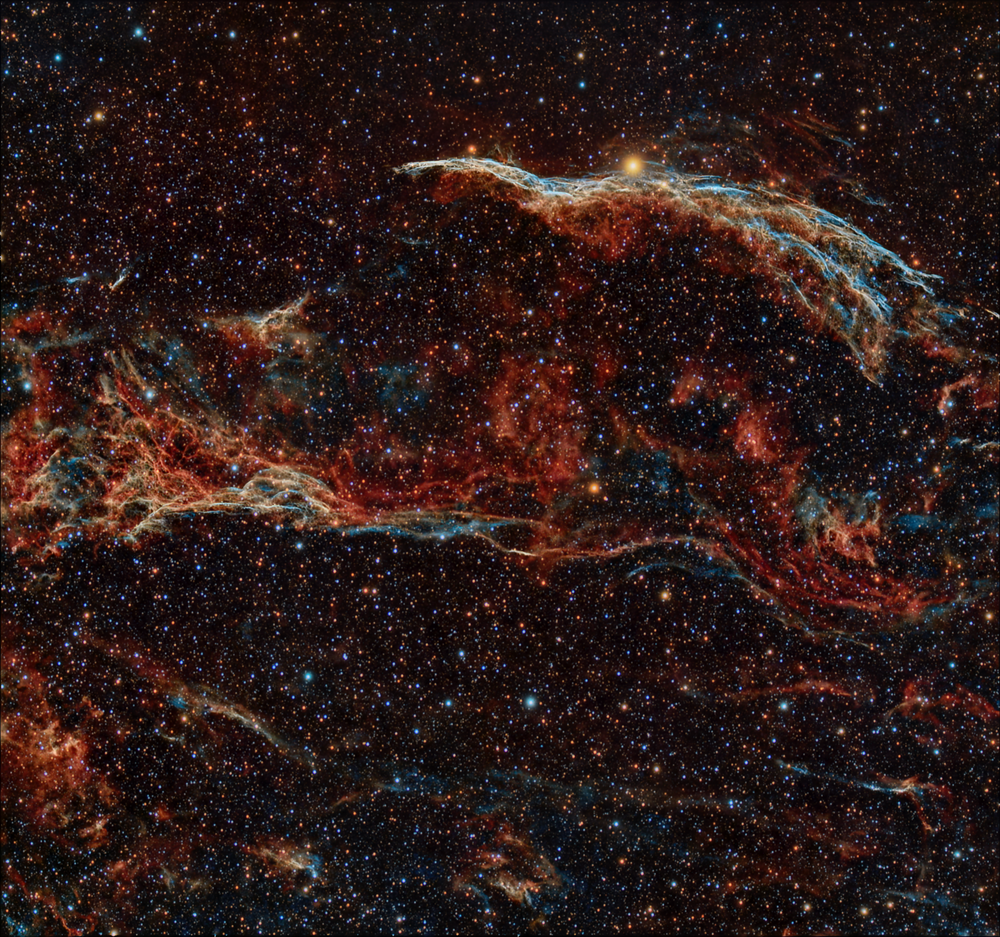
Explore Scientific Newtonian reflector telescopes are designed for bright, high-contrast views of deep-sky objects such as galaxies, nebulae and star clusters, while also performing well on the Moon and planets. Fast focal ratio Newtonians are popular for astrophotography because they collect light quickly, and when paired with a coma corrector they produce sharp, round stars across the entire frame. Mounted on an equatorial mount, a Newtonian makes an excellent and economical imaging platform.
Newtonian telescopes require occasional collimation to keep their mirrors aligned, a quick process with a collimation eyepiece or laser collimator. They also benefit from a short cool-down period so the mirror can reach outdoor temperature. Whether mounted on an equatorial mount for tracking or on a Dobsonian base for simple point-and-view observing, a Newtonian reflector offers outstanding performance and value for observers of every experience level.
Free United States Shipping
Orders $49.99+ shipped within the continental United States qualify for free standard shipping. Learn more.
Explore Scientific Warranty
Register your product within 60 days to activate your warranty coverage. Learn more.
30 Day Returns
Returns are accepted within 30 days if the item is in original condition. Learn more.
Dedicated Customer Support
Our customer service team is here to help with product support and warranty service. Learn more.