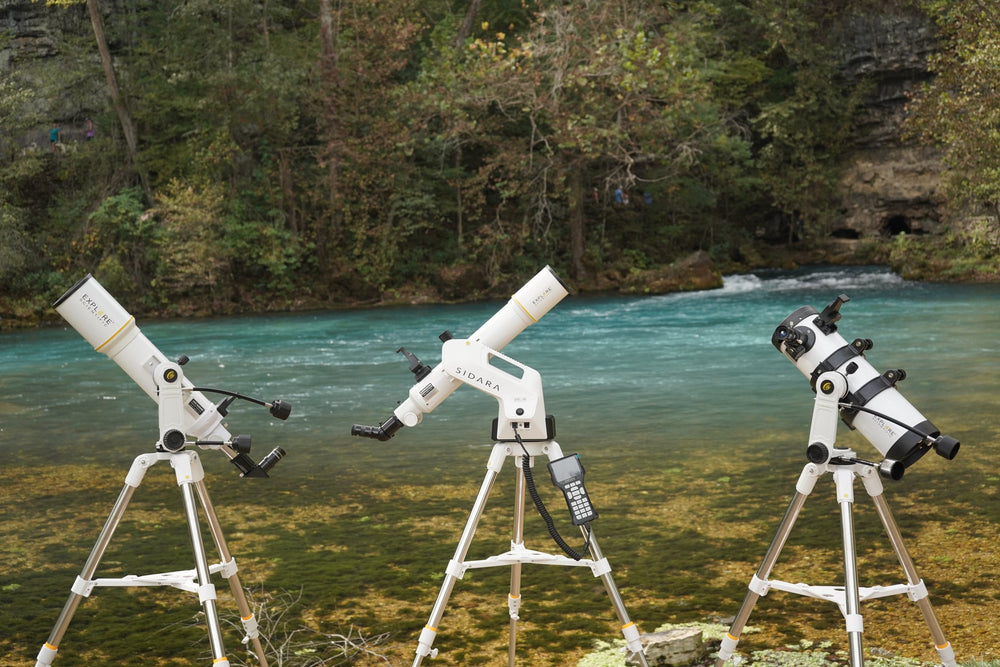
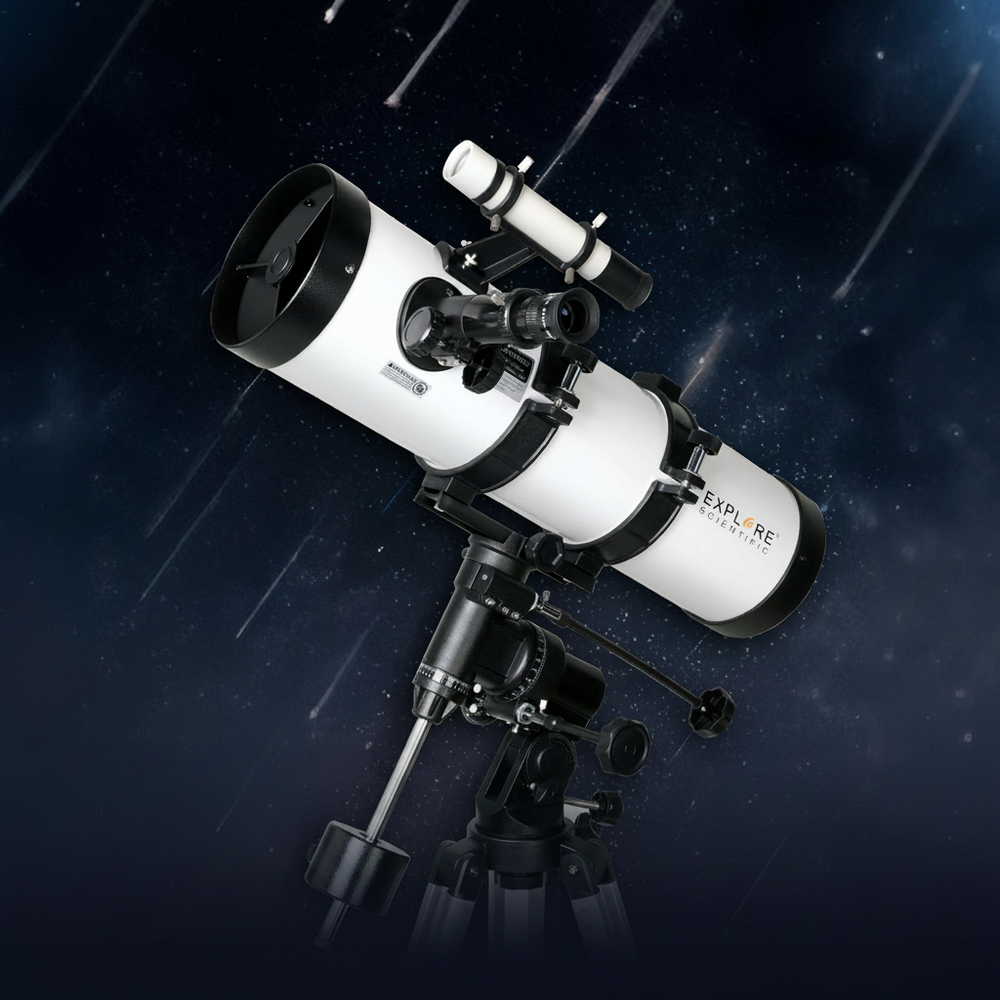
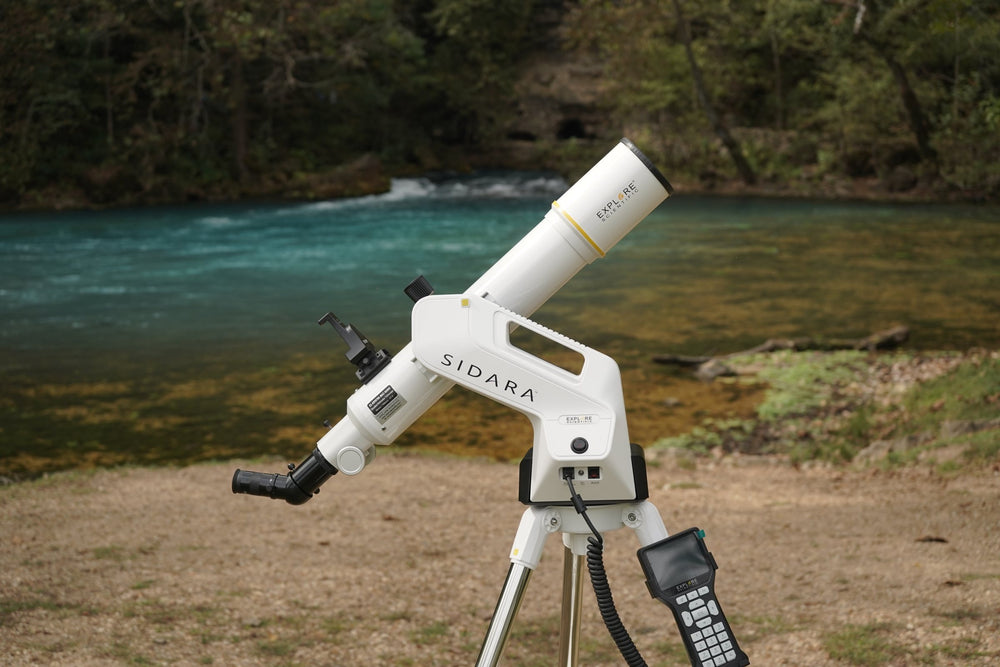
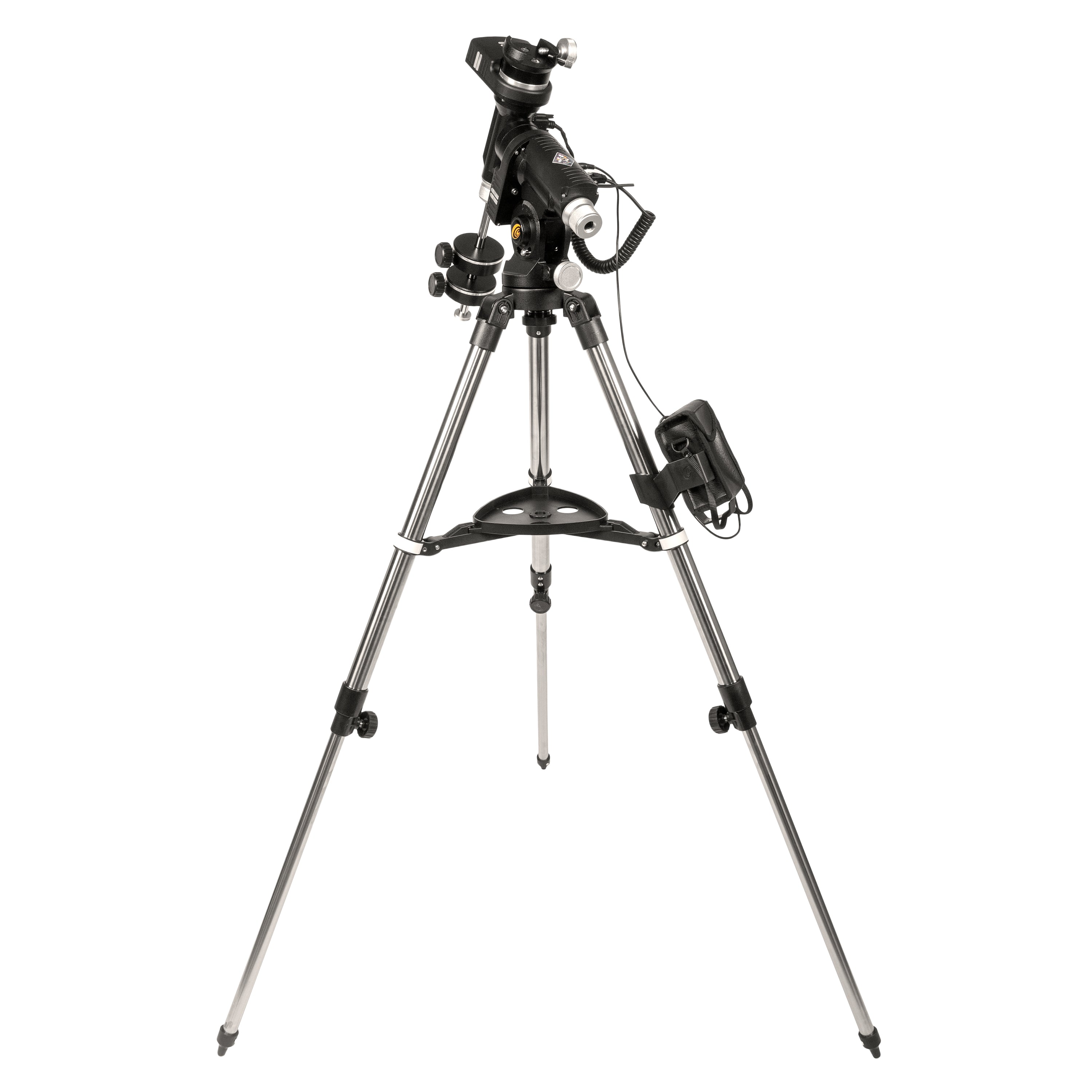
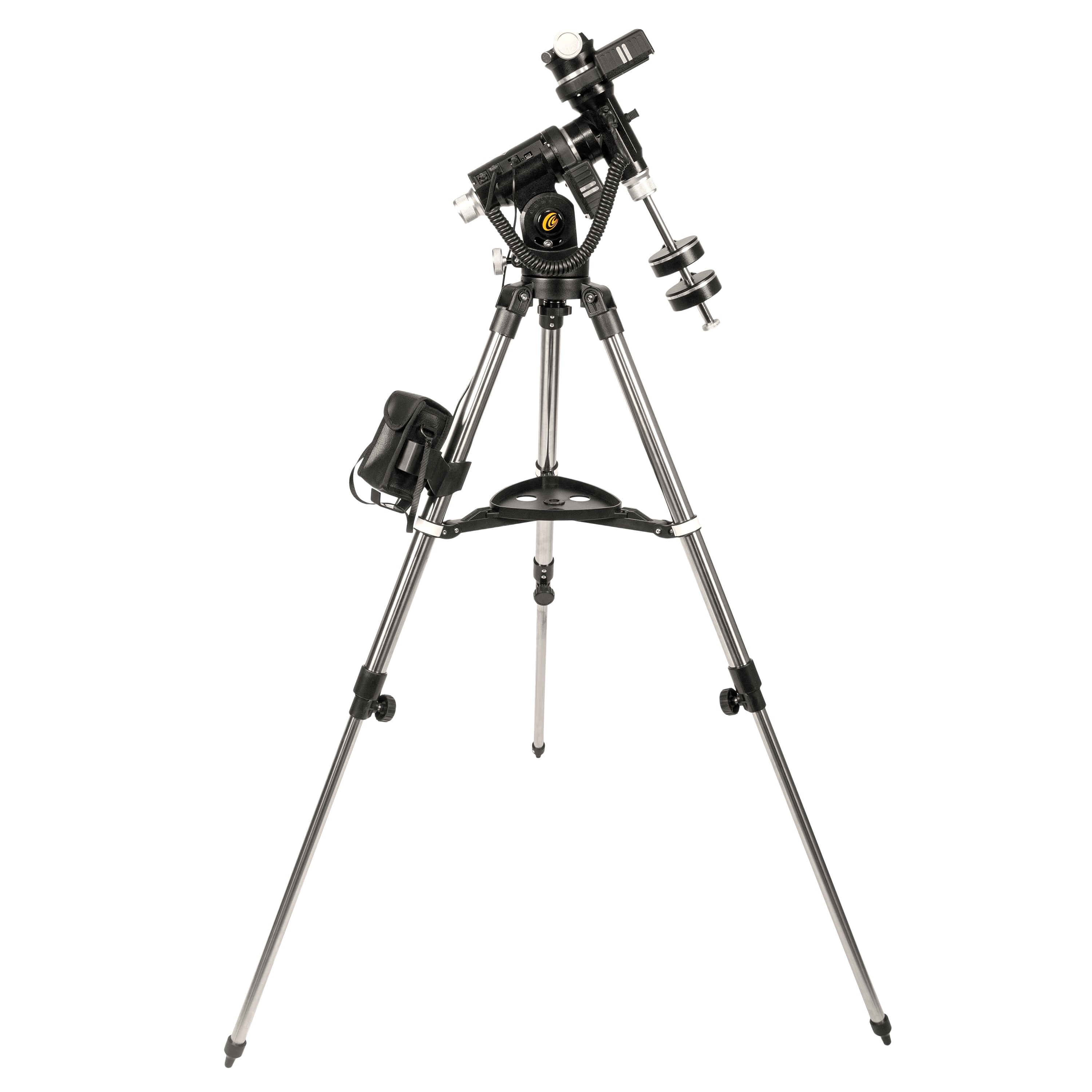
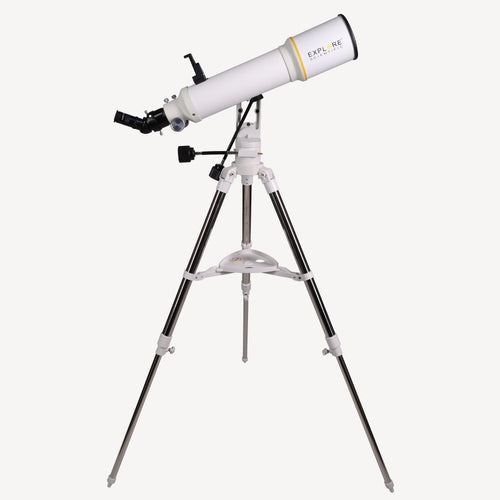
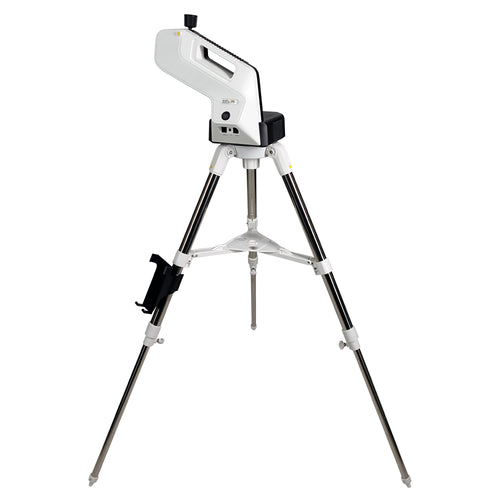
A stable, well-matched telescope mount is just as important as the telescope itself. Explore Scientific makes German equatorial mounts for astrophotography and tracking, from the portable iEXOS-100-2 tracker to the EXOS2-GT PMC-Eight GoTo mount, plus Twilight alt-azimuth mounts for grab-and-go visual observing.
An equatorial mount tilts one axis to line up with the celestial pole, so a single motor can follow the stars as the Earth turns. That smooth tracking keeps objects centered at high power and is essential for long-exposure astrophotography. Alt-azimuth mounts move up-down and left-right, need no polar alignment, and are the simplest choice for visual observing. PMC-Eight GoTo mounts add computerized pointing and tracking with WiFi and Bluetooth app control through the free ExploreStars app.
Which Equatorial Mount Do I Need?
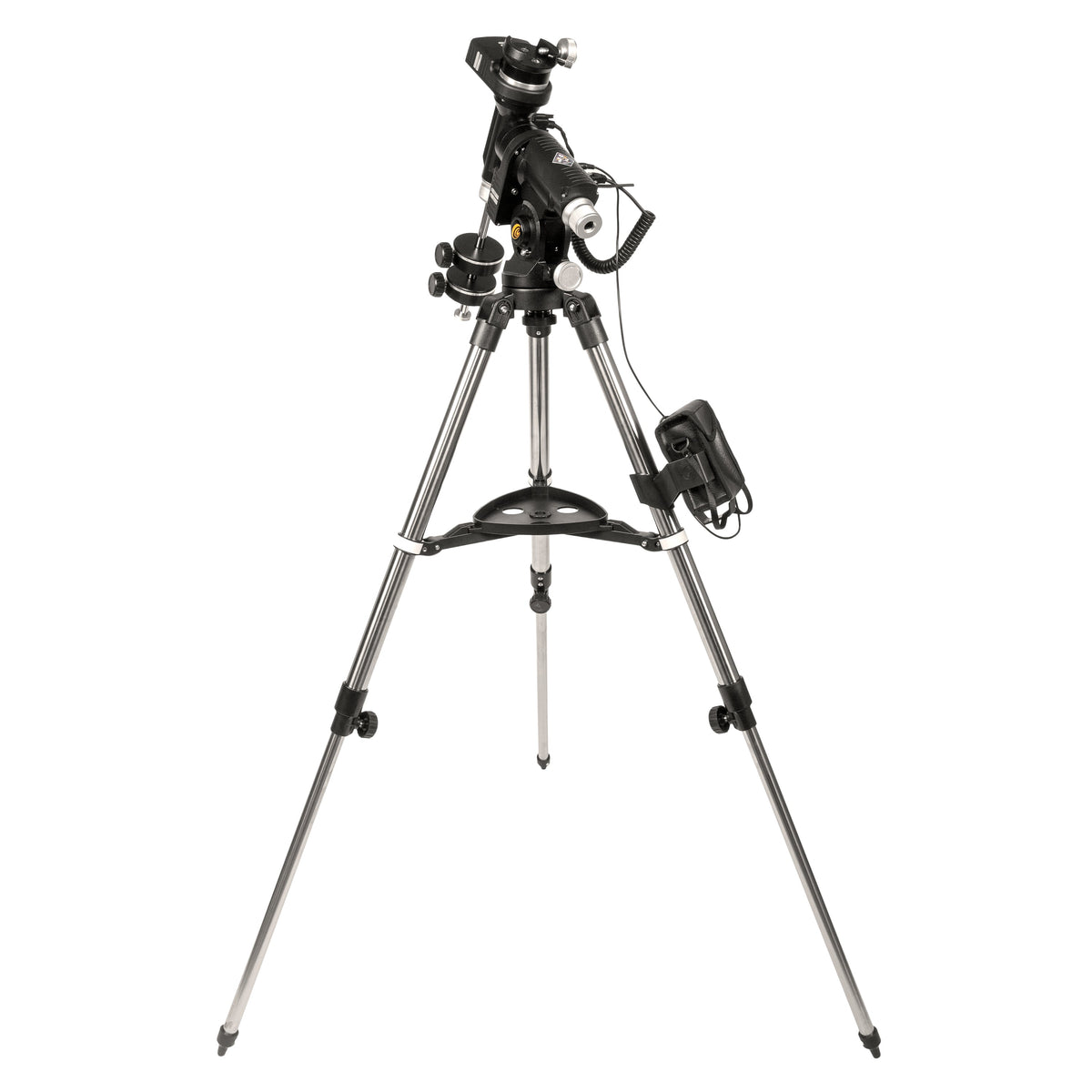
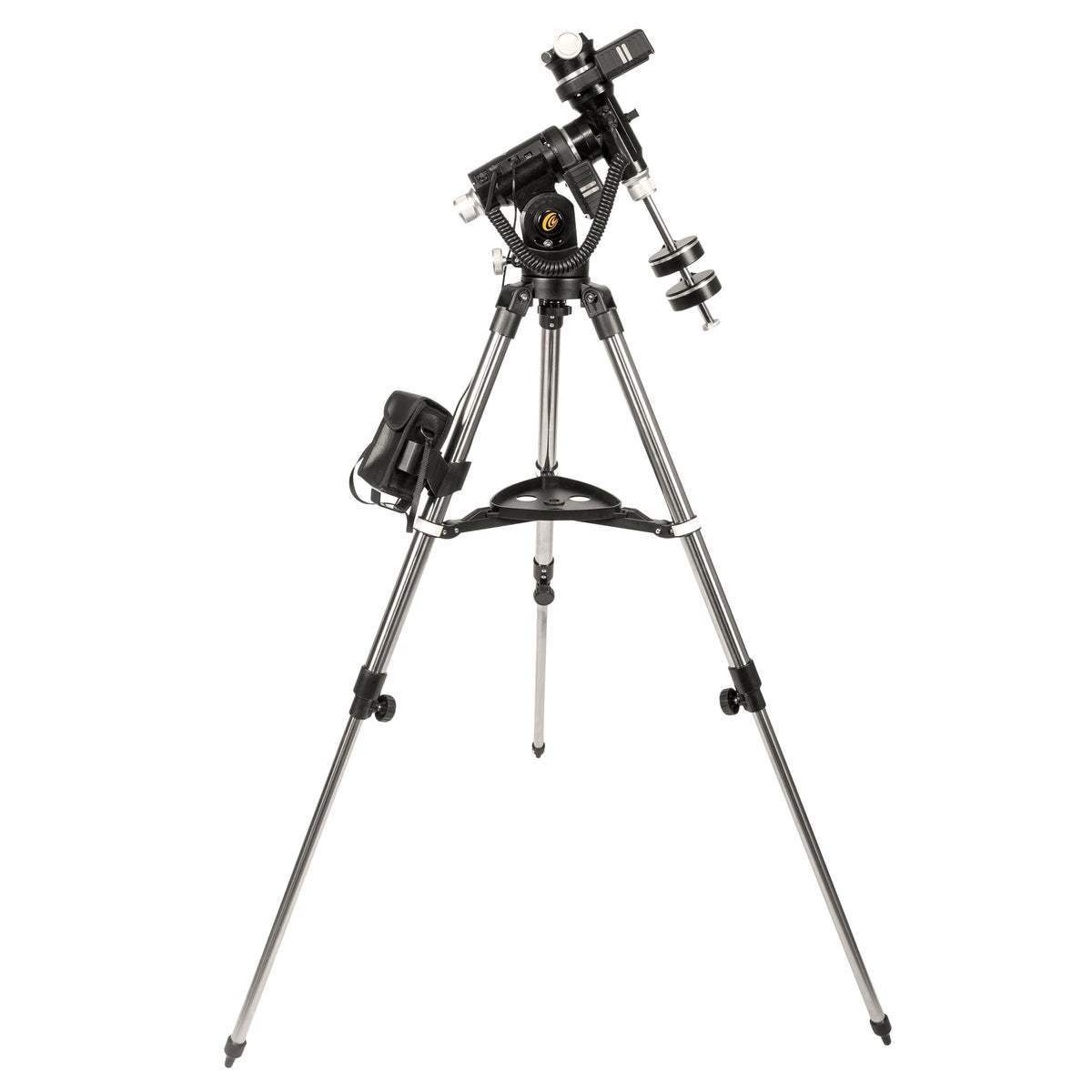
- Camera, DSLR or small refractor: iEXOS-100-2 PMC-Eight Equatorial Tracker. Portable GoTo tracking with WiFi and Bluetooth, up to 19 lbs total payload including telescope, accessories and counterweights. A great match for an 80mm ED refractor.
- Larger refractors, reflectors and serious imaging: EXOS2-GT PMC-Eight GoTo Equatorial Mount. Rated for 28 lbs of instrument weight for astrophotography and 40 lbs for visual use, with a stainless steel tripod and polar finder installed.
- Small scopes on a budget, manual tracking: FirstLight EXOS Nano EQ3. A light-duty German equatorial mount for telescopes up to 15 lbs with a Vixen-style dovetail.
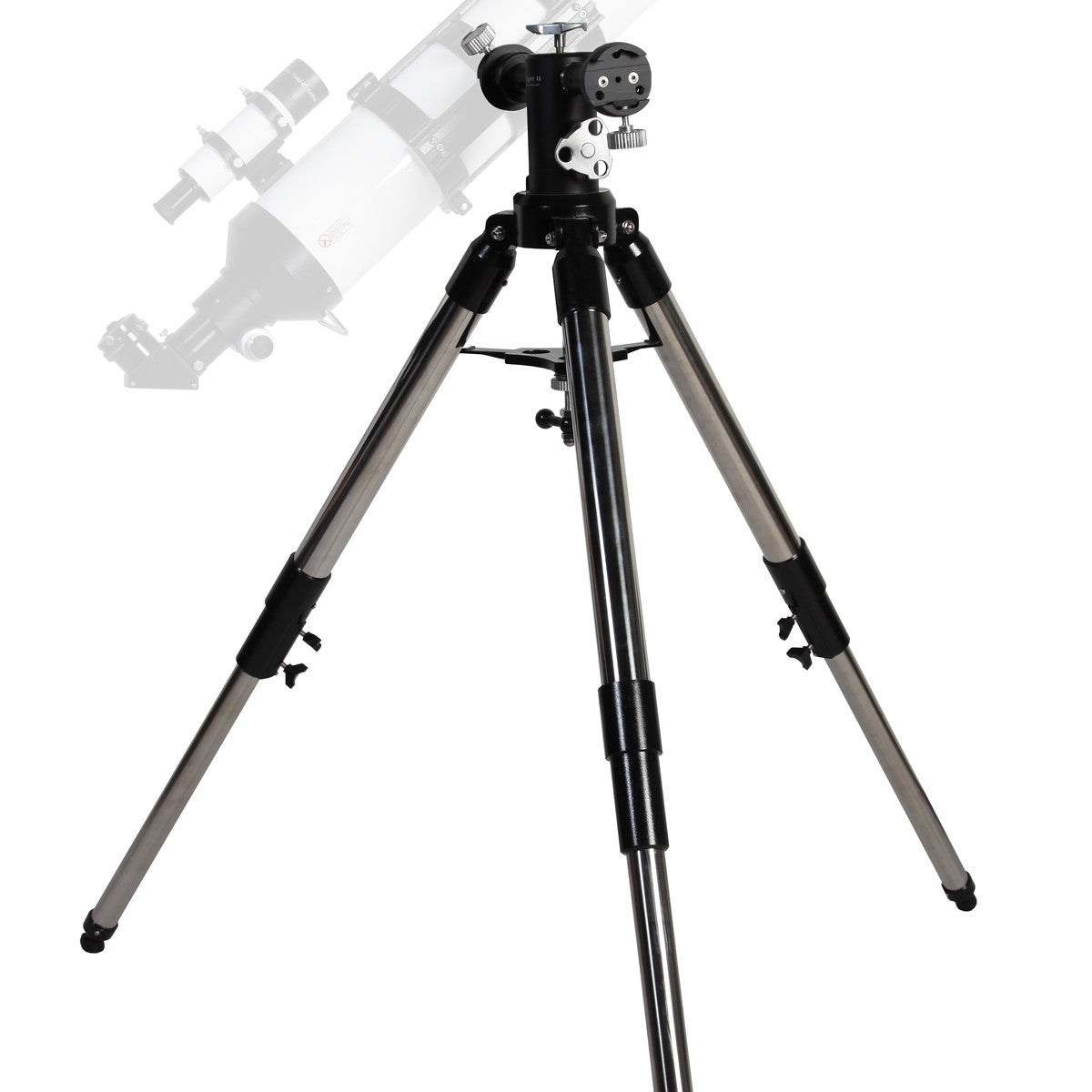
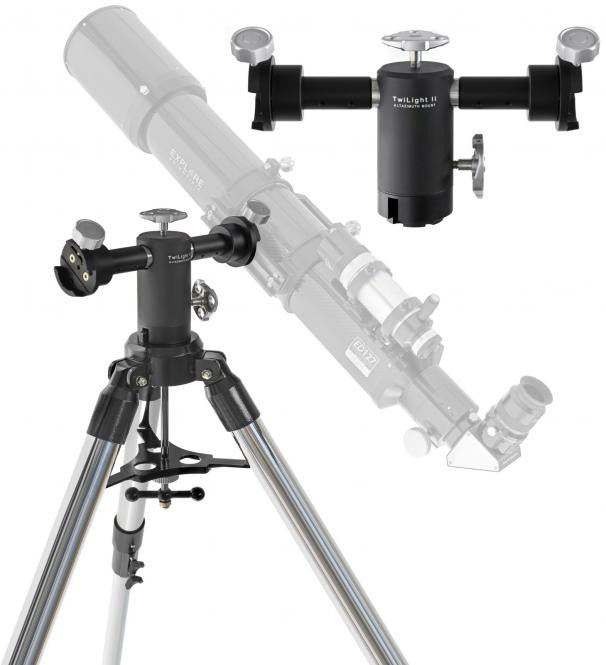
- Visual only, no polar alignment: Twilight alt-azimuth mounts. Point and look, ideal for refractors and quick setups.
For imaging, keep your total payload well under the mount's rated capacity; the lighter the load, the more accurate the tracking. Complete your setup with counterweights, polar finders, saddle plates and power from our telescope accessories, or browse all GoTo telescope mounts.
Equatorial Mount FAQ
What is an equatorial mount?
An equatorial mount is a telescope mount with one axis (right ascension) aligned parallel to the Earth's axis. Once it is polar aligned, turning that single axis follows the stars across the sky. Most equatorial mounts, including every Explore Scientific equatorial mount, are German equatorial mounts (GEM) that use a counterweight shaft to balance the telescope.
Do I need an equatorial mount?
You need an equatorial mount for long-exposure astrophotography of galaxies and nebulae, because it tracks without the field rotation an alt-az mount causes. For visual observing of the Moon, planets and bright deep-sky objects, an alt-azimuth mount or a Dobsonian telescope is simpler and faster to set up.
Is an equatorial mount hard for beginners?
It takes a few minutes to learn polar alignment and balancing. PMC-Eight GoTo mounts make it easier: the ExploreStars app walks you through a 2-star or 3-star alignment, then finds and tracks thousands of objects for you.
Equatorial vs. alt-azimuth mount: which is better?
Neither is better for everything. Equatorial mounts are best for tracking and astrophotography; alt-azimuth mounts are lighter, quicker to set up and more intuitive for visual use. Many observers own one of each.
How much weight can an equatorial mount hold?
Check the astrophotography rating, not just the visual rating. The iEXOS-100-2 carries up to 19 lbs total. The EXOS2-GT is rated for 28 lbs of instrument weight for imaging and 40 lbs for visual use, plus counterweights.