





Refractor Telescopes
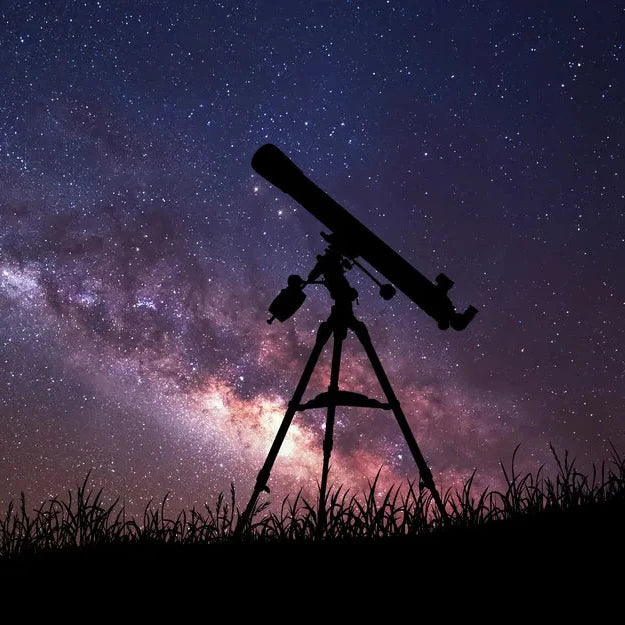
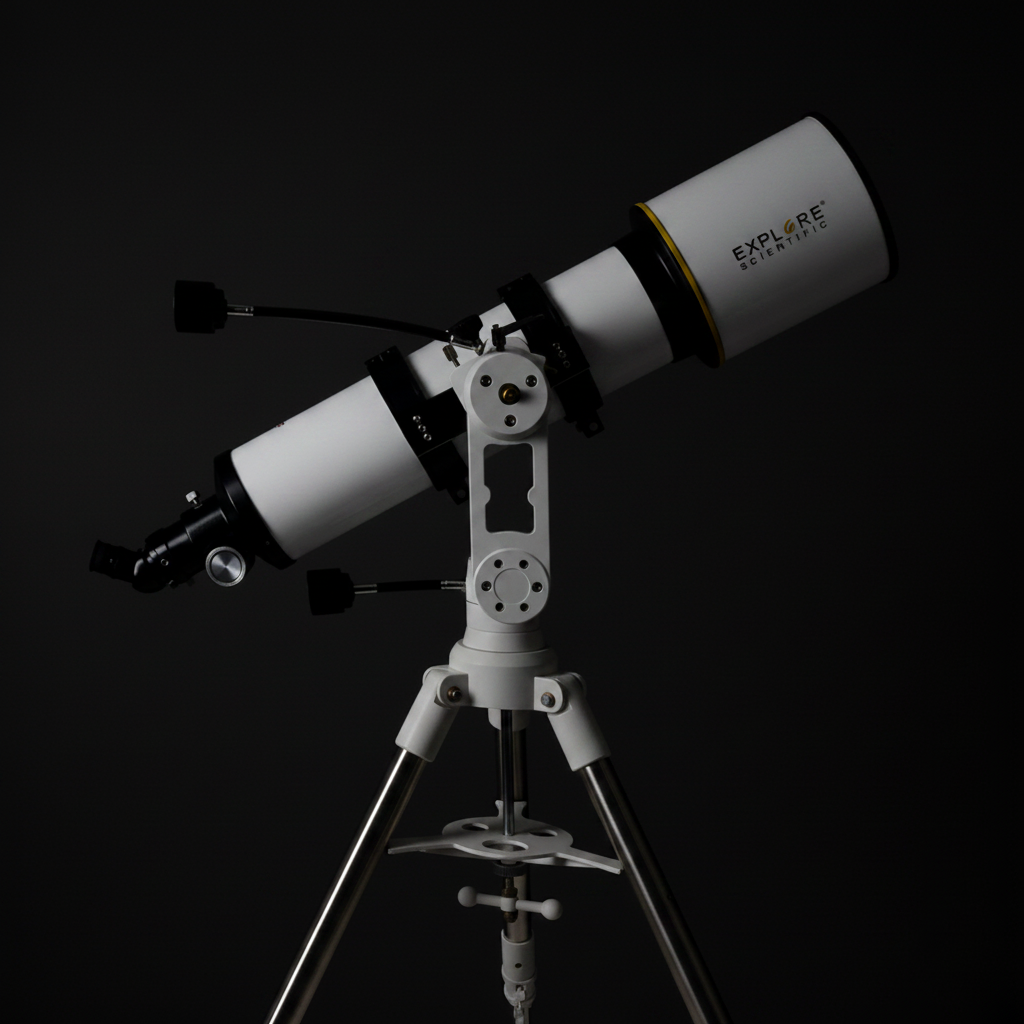
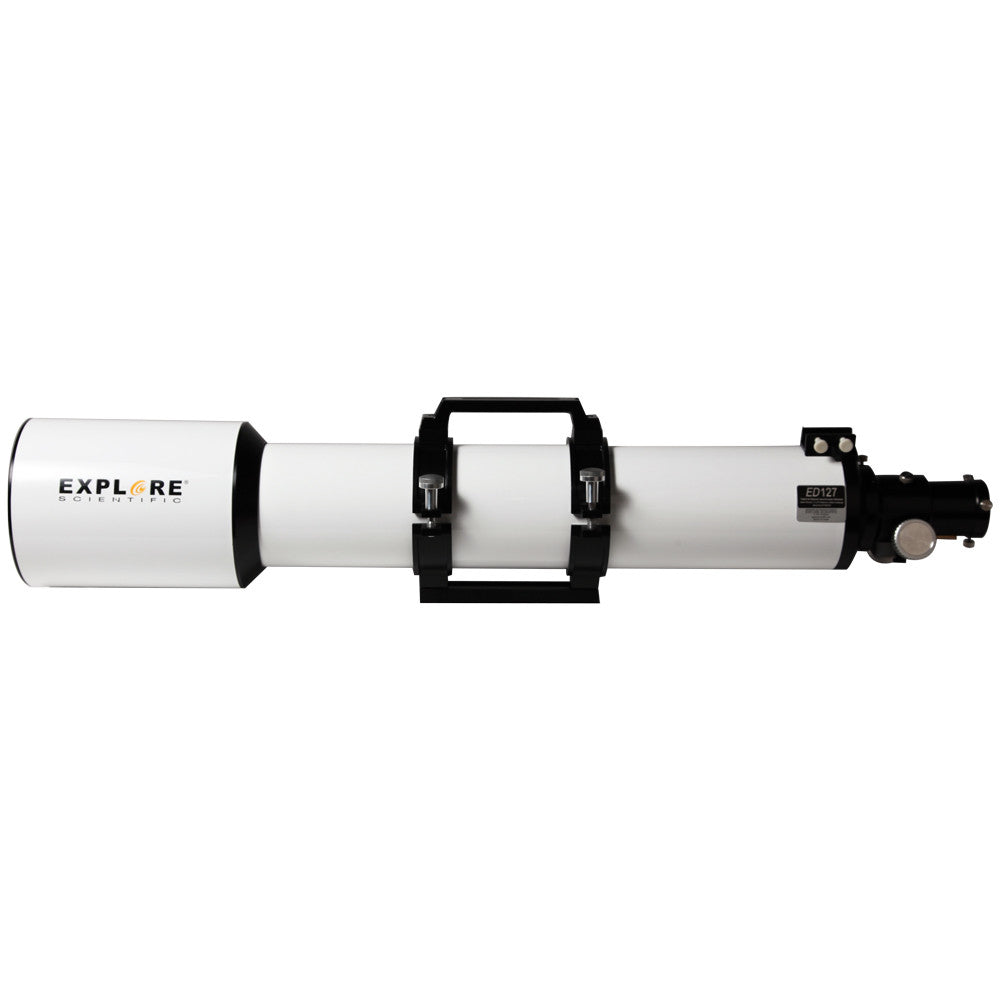
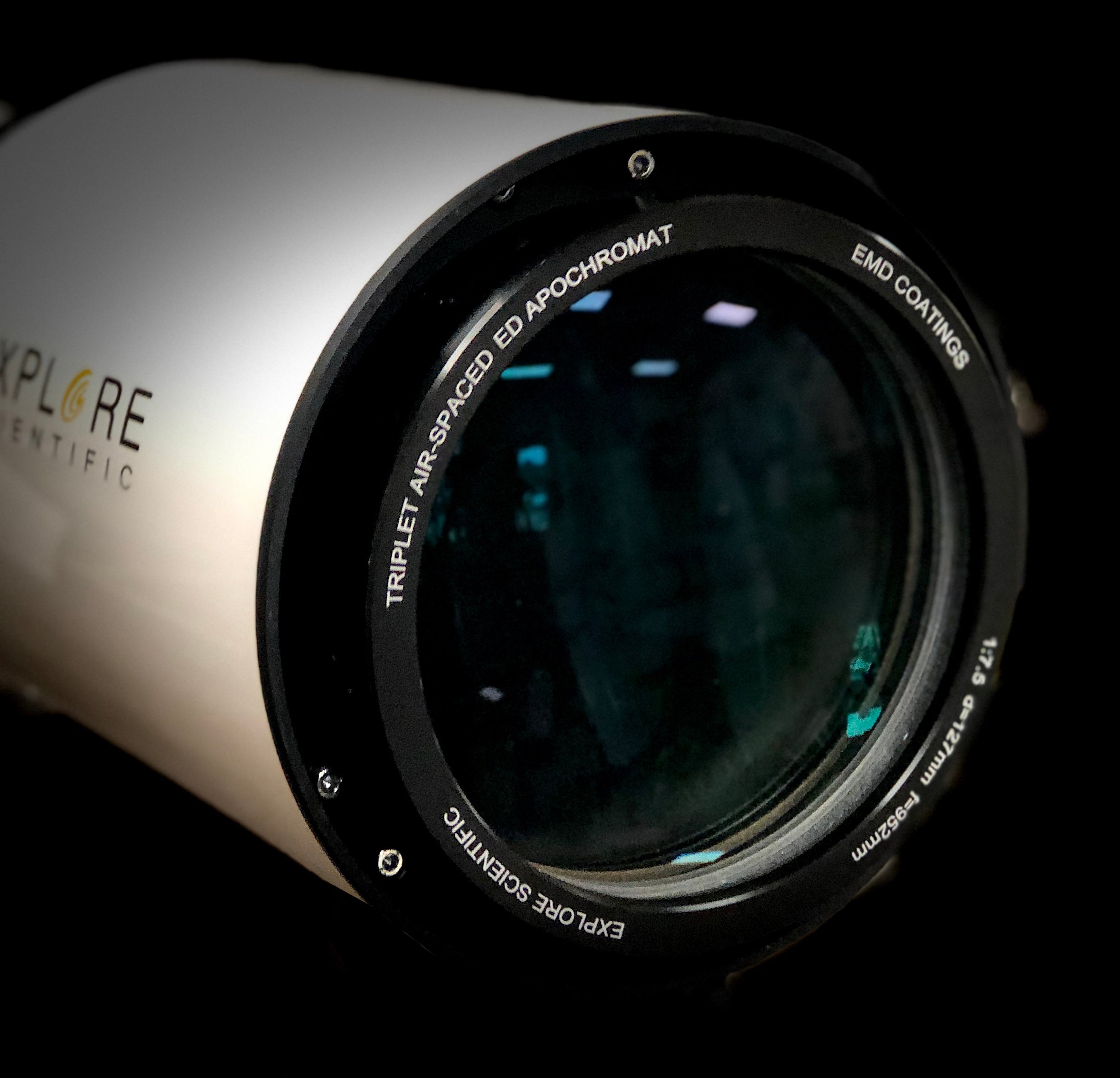
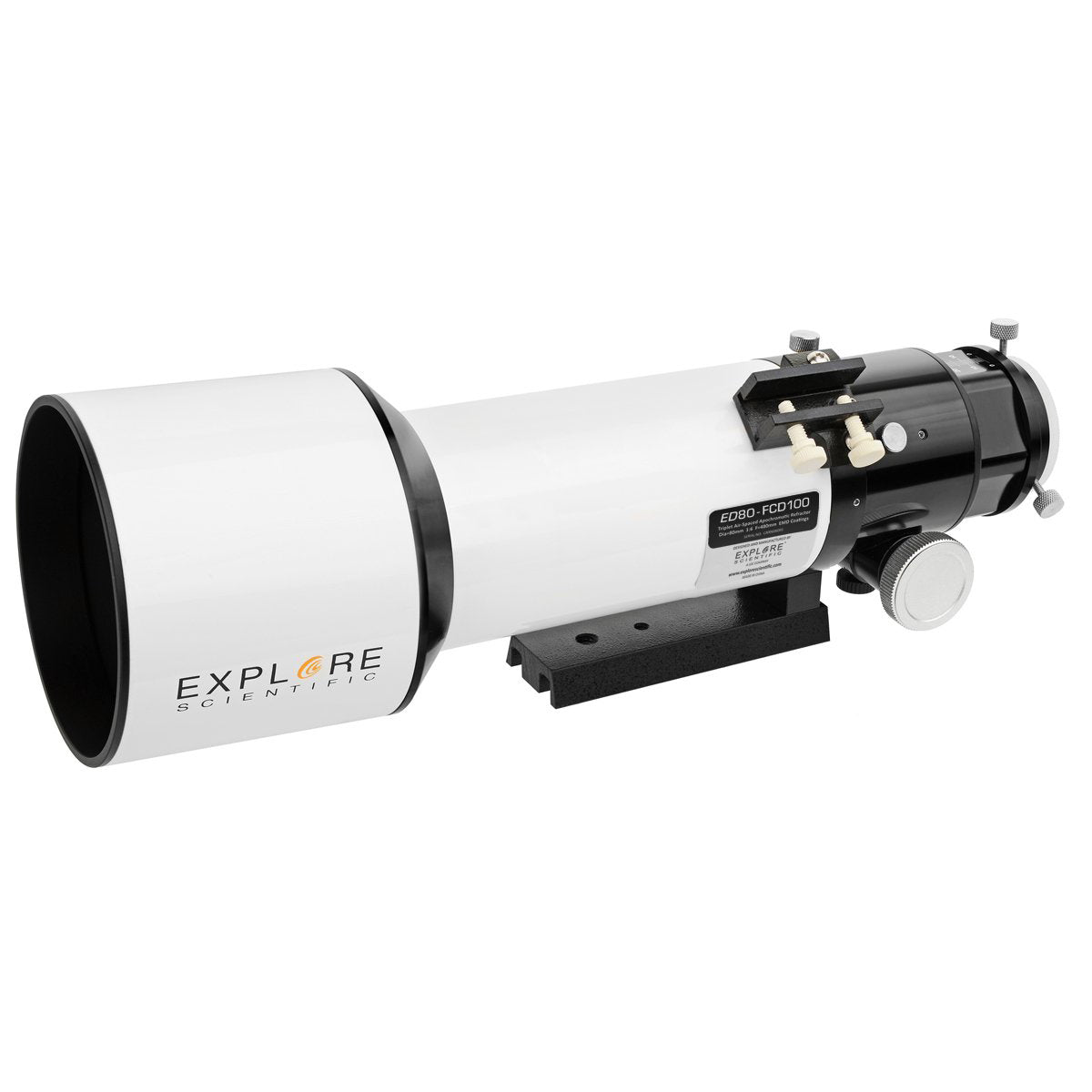
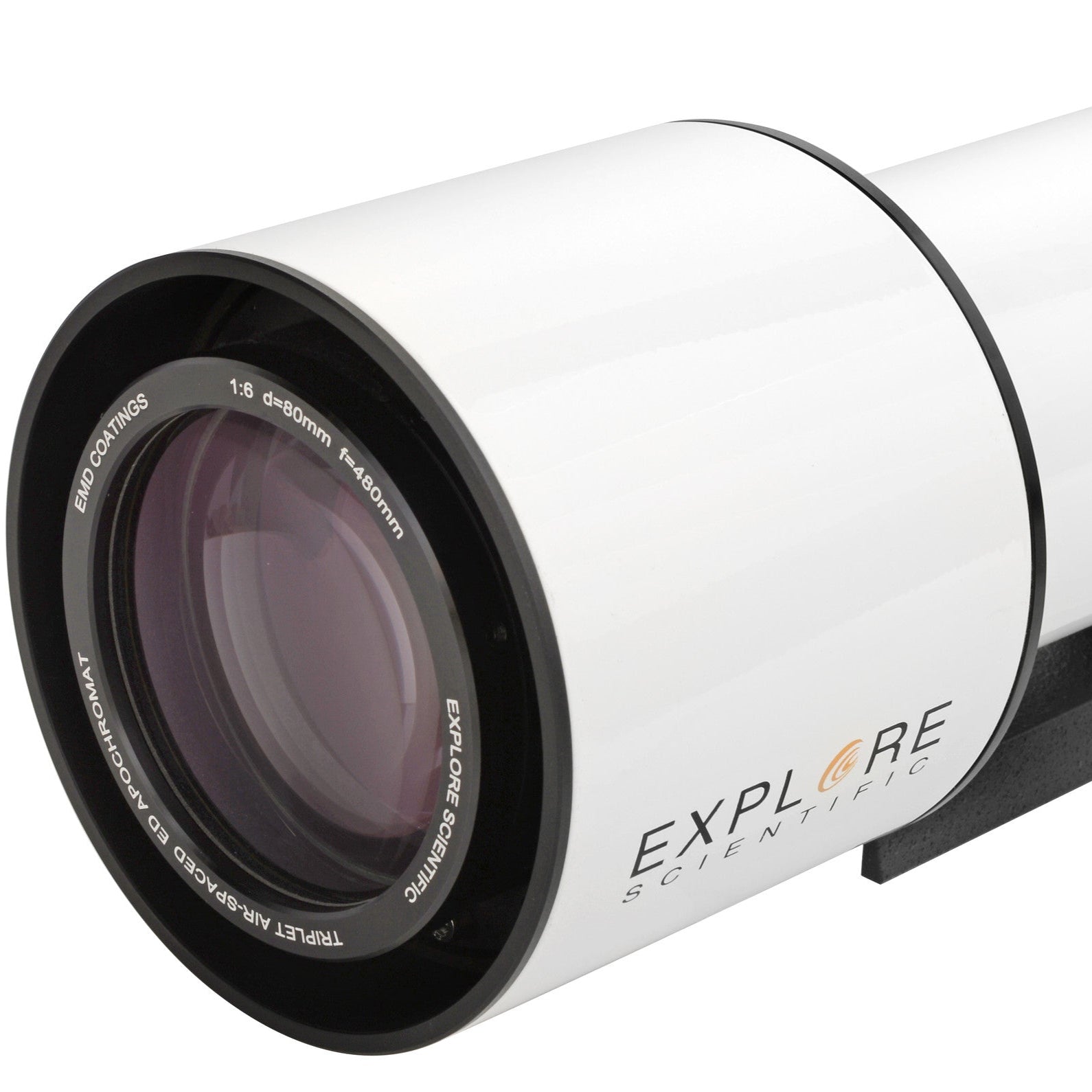
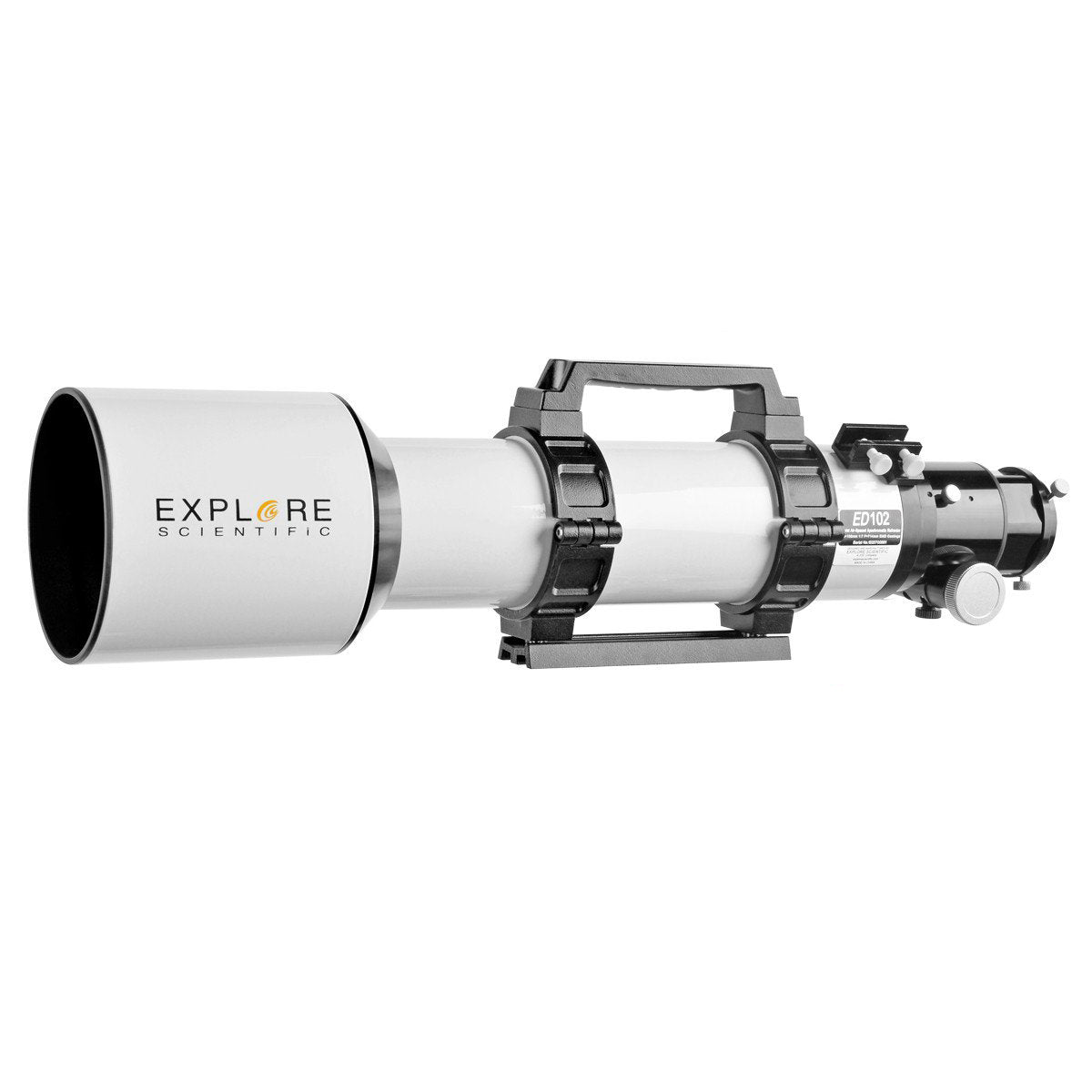
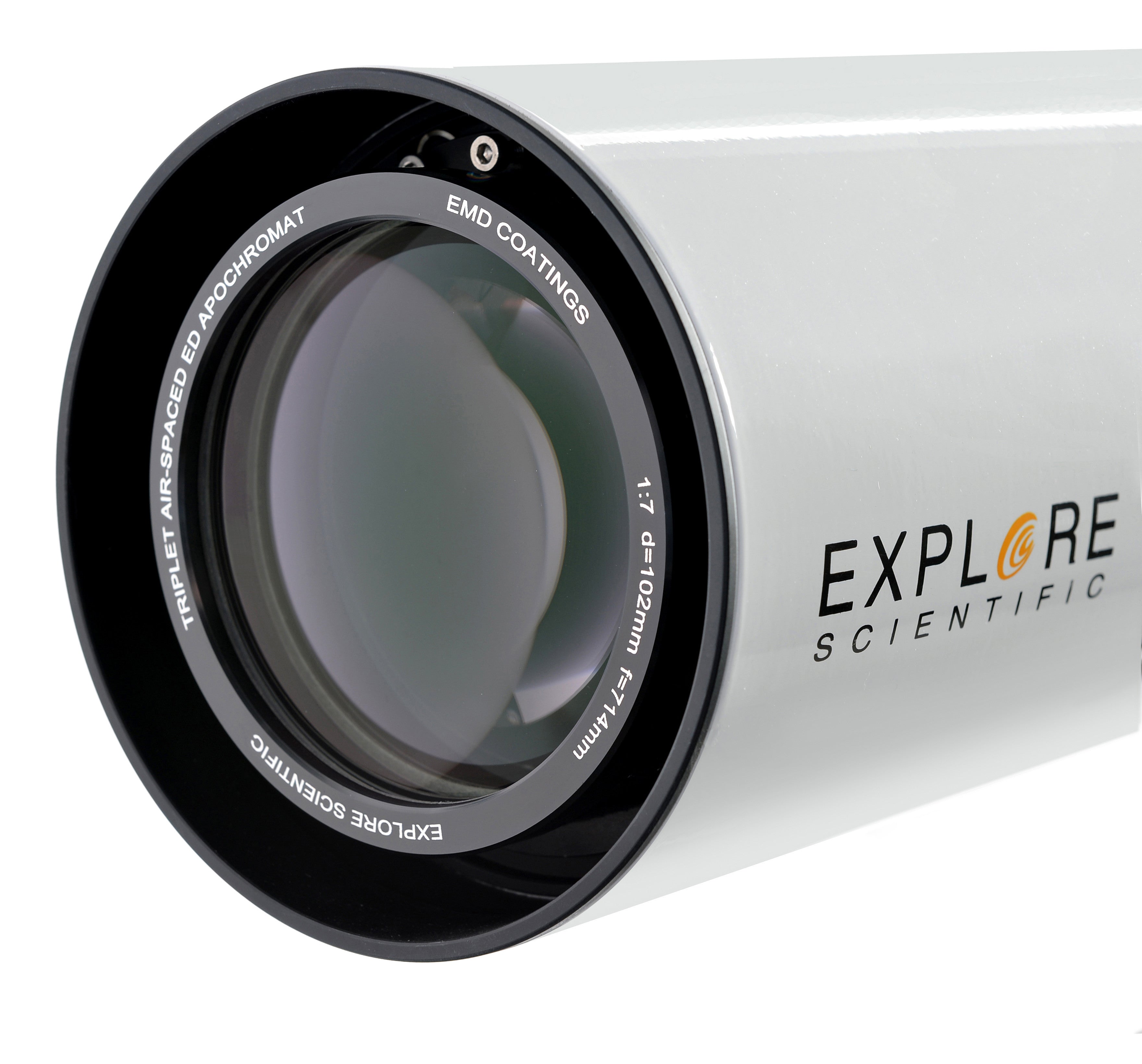
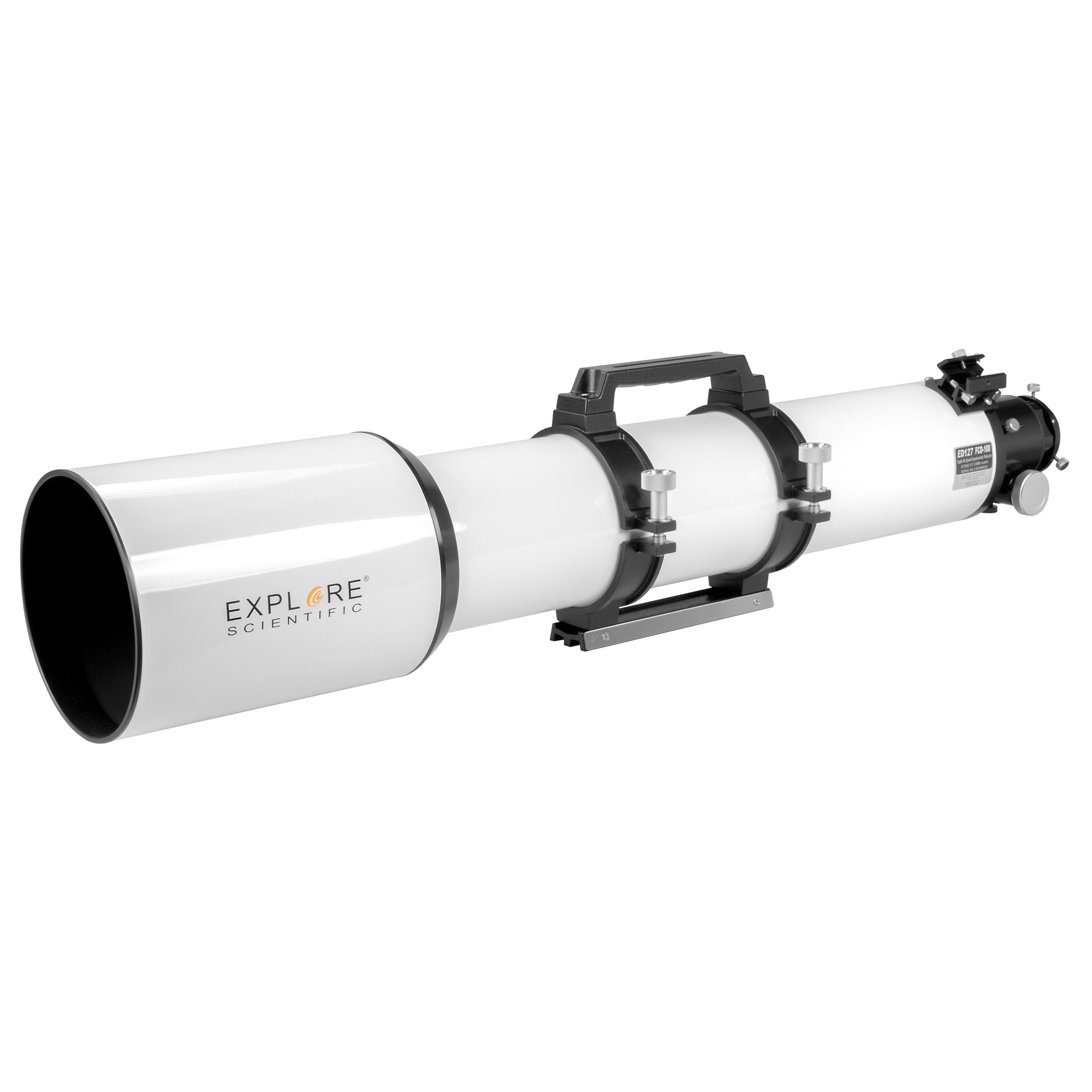
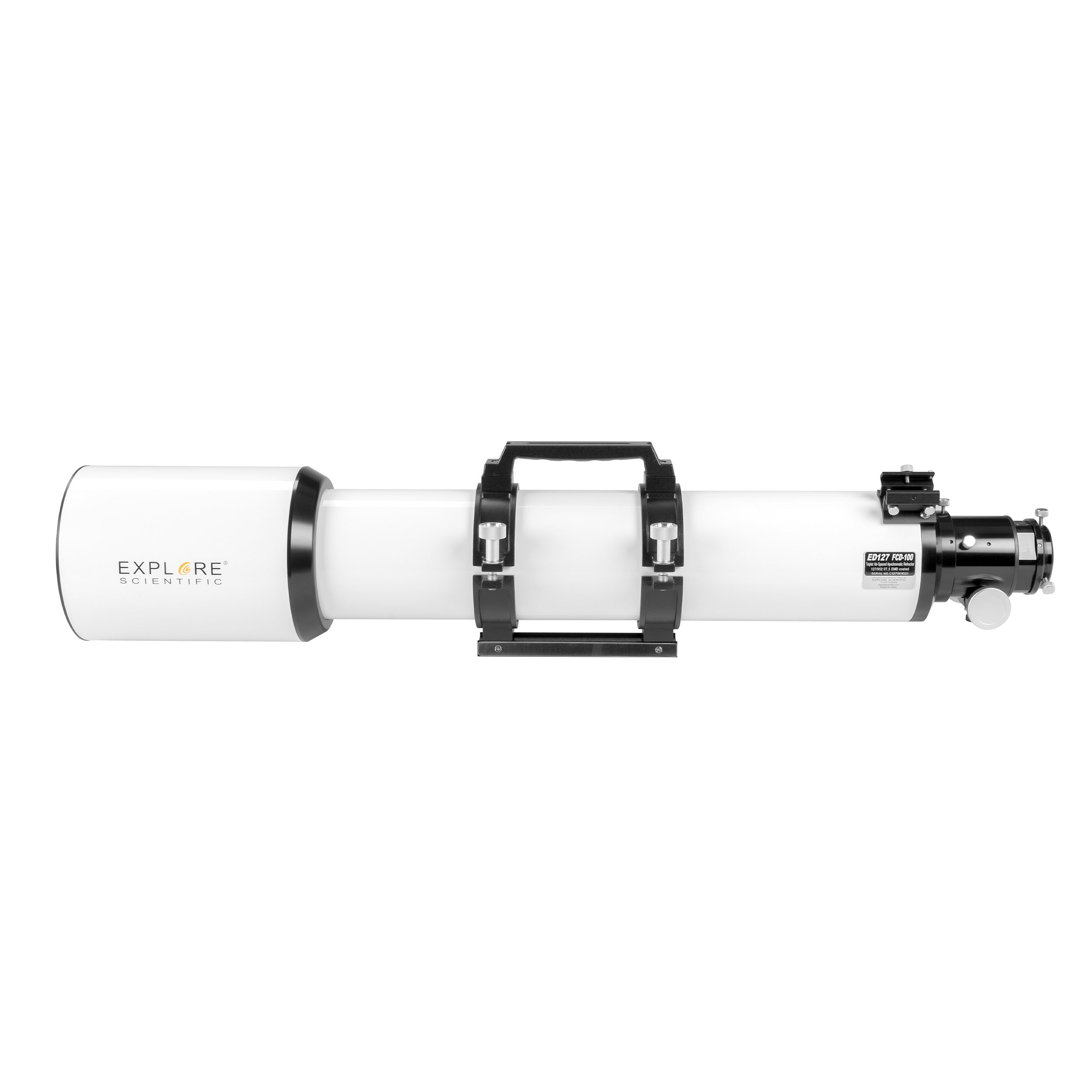
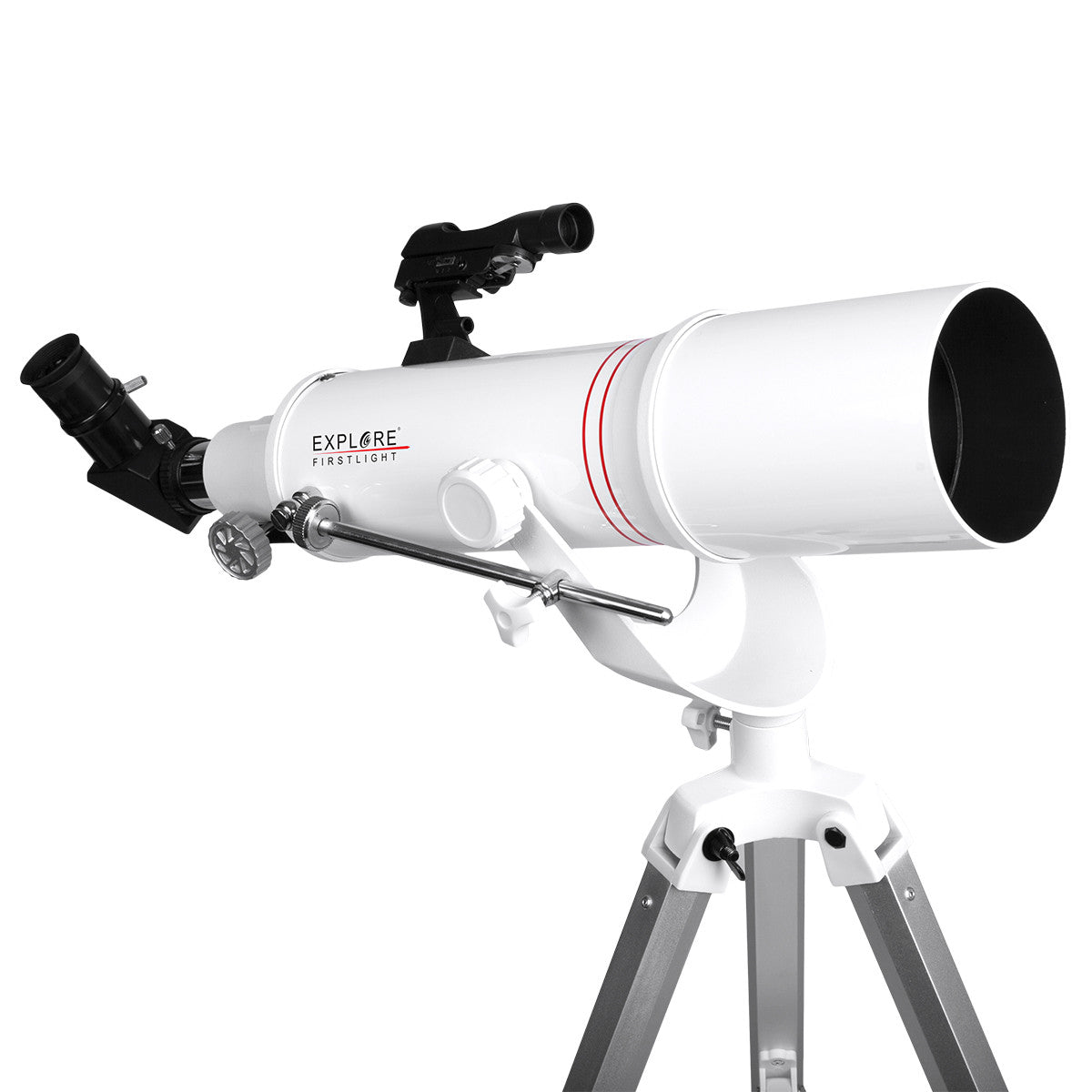
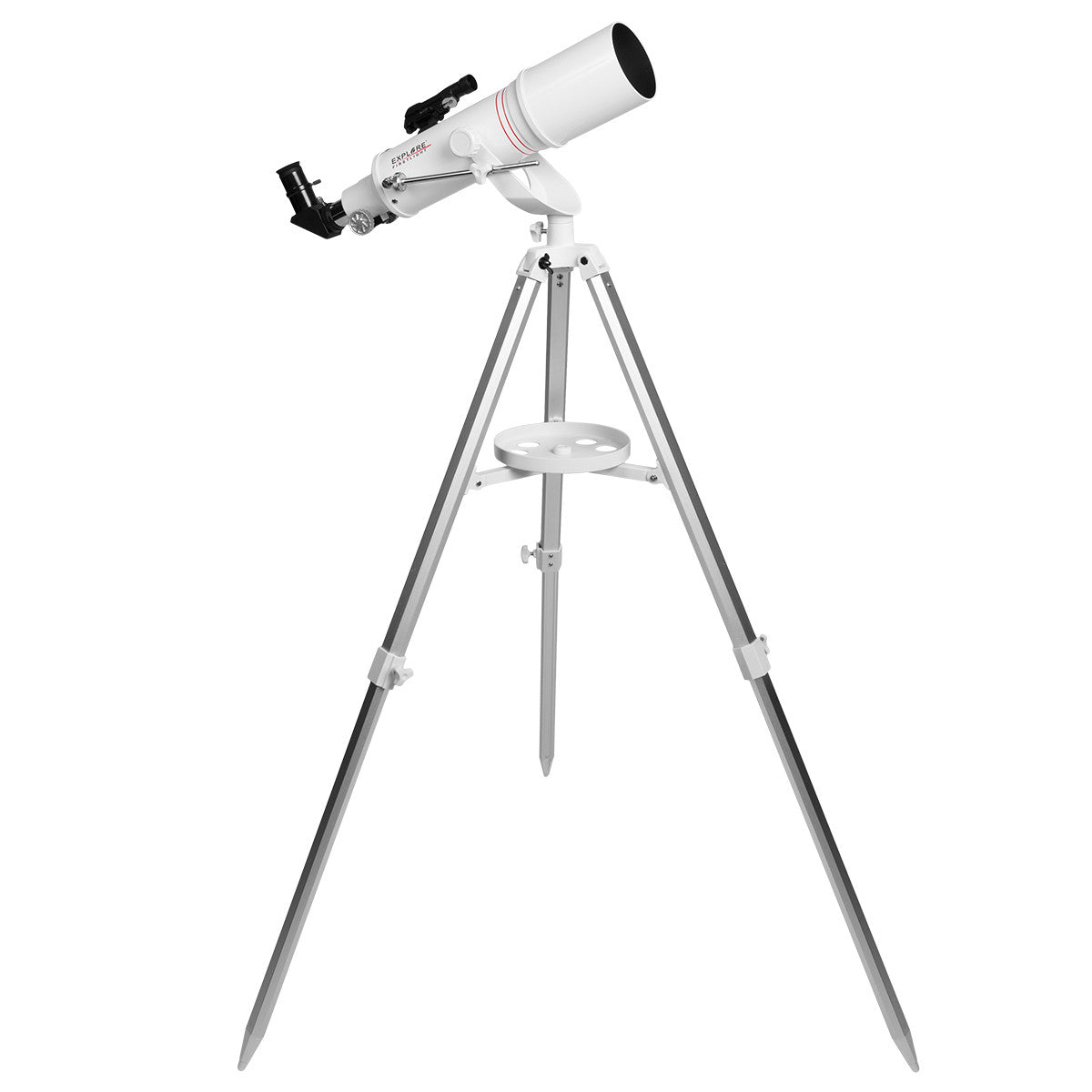
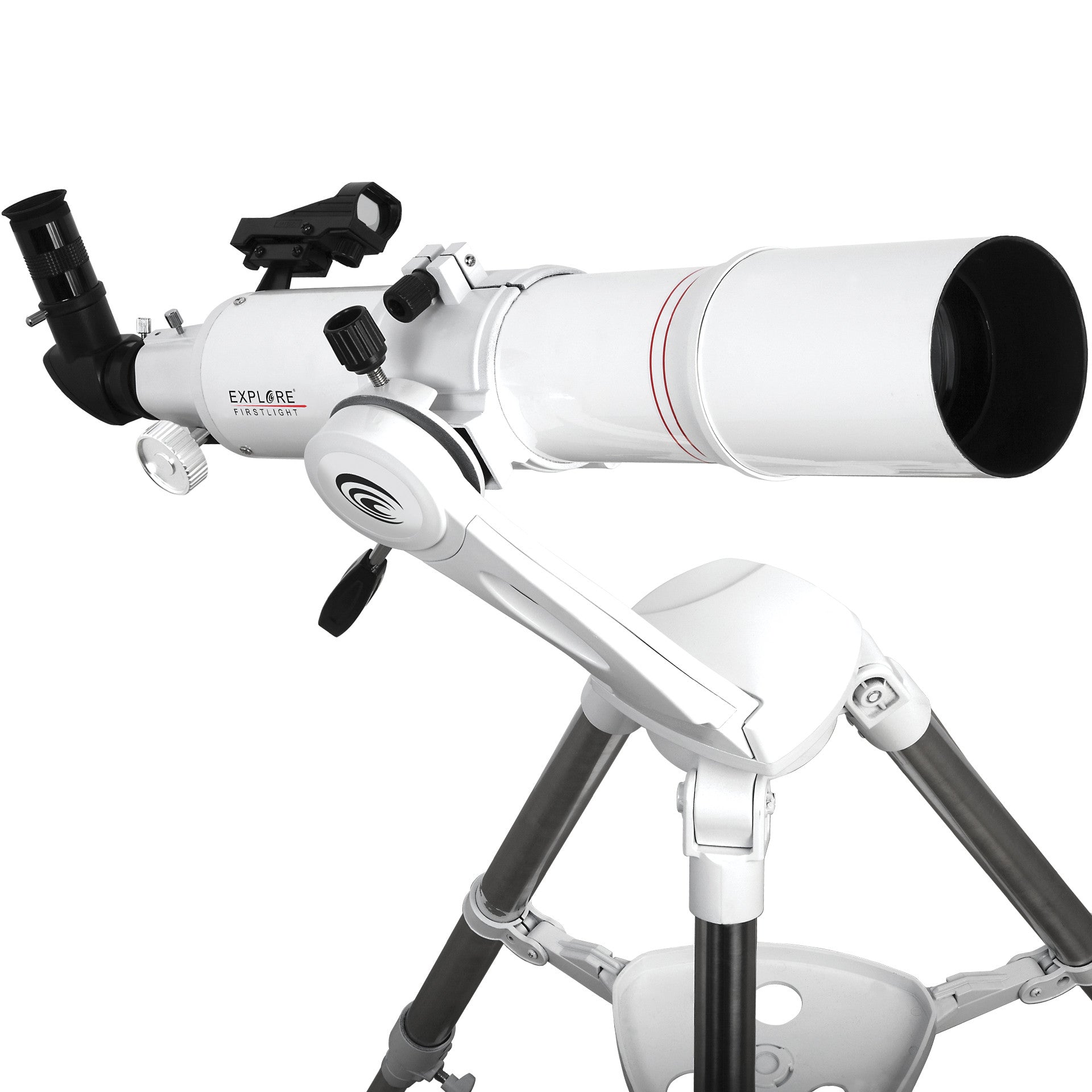
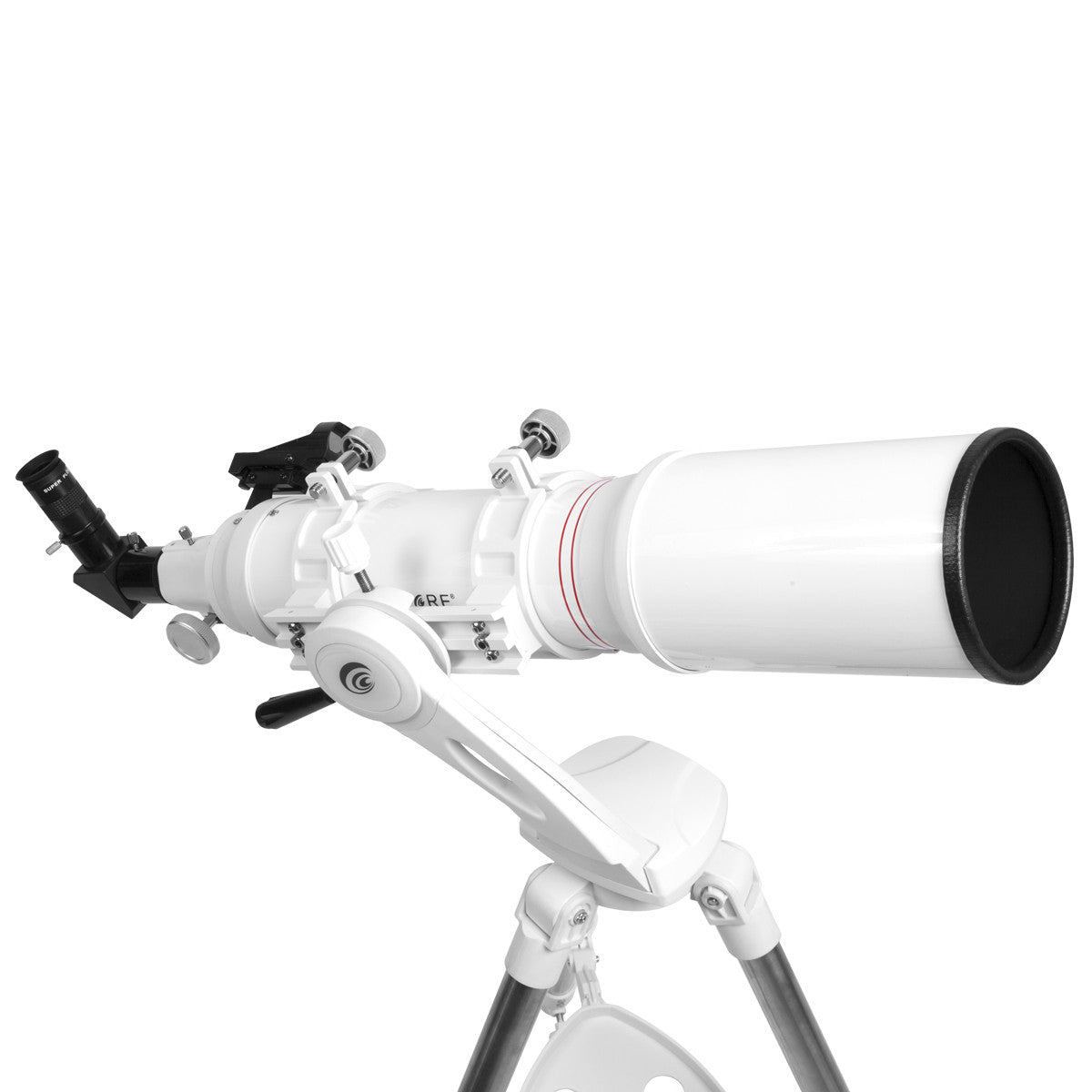
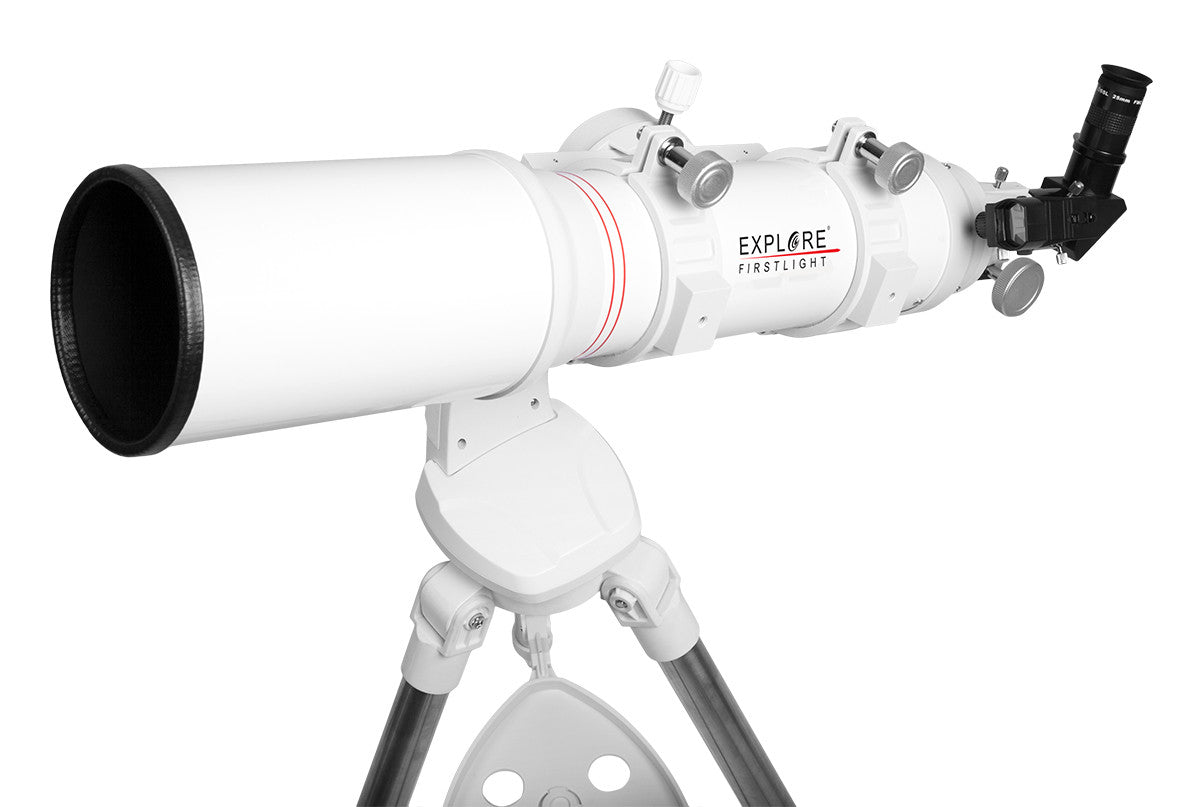
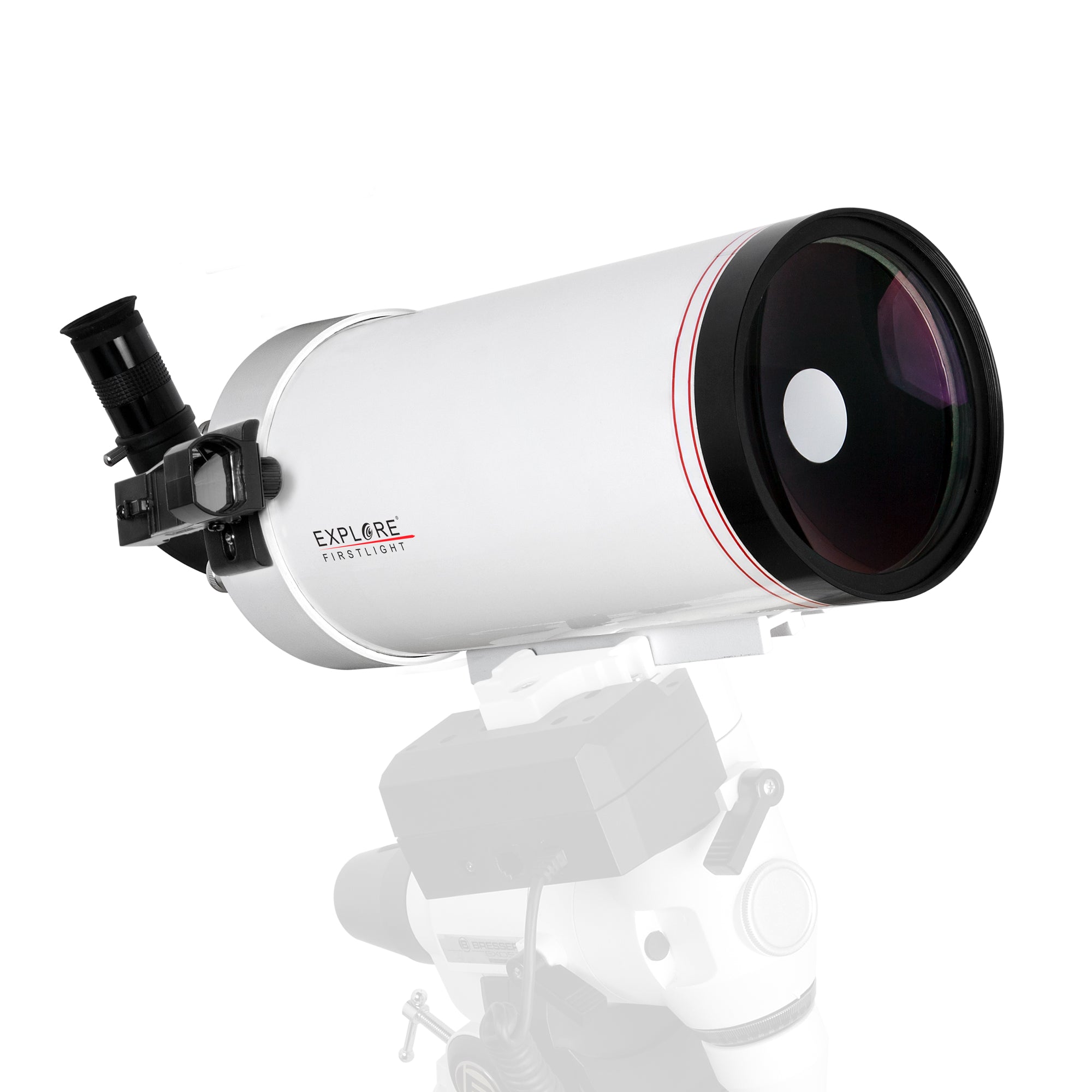
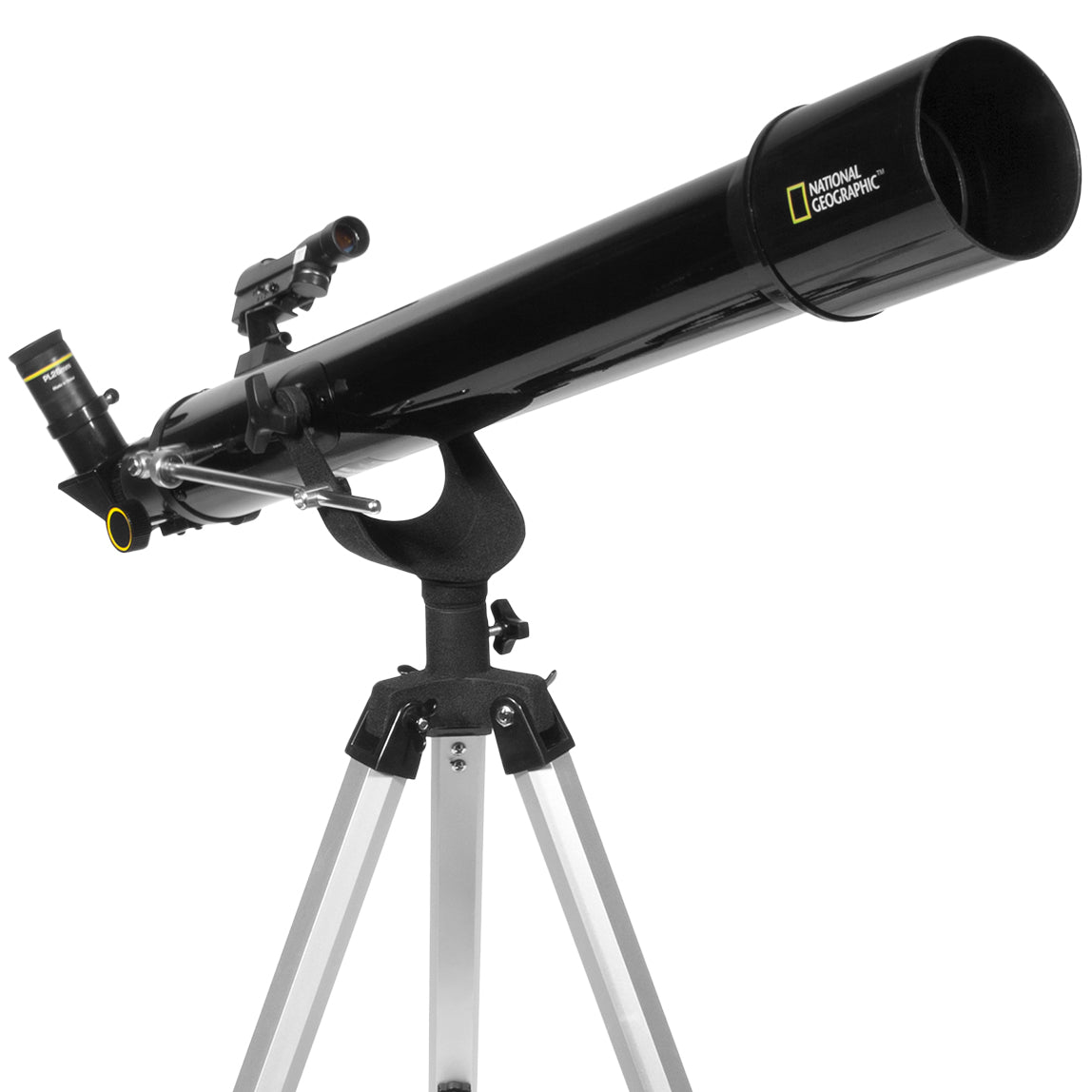
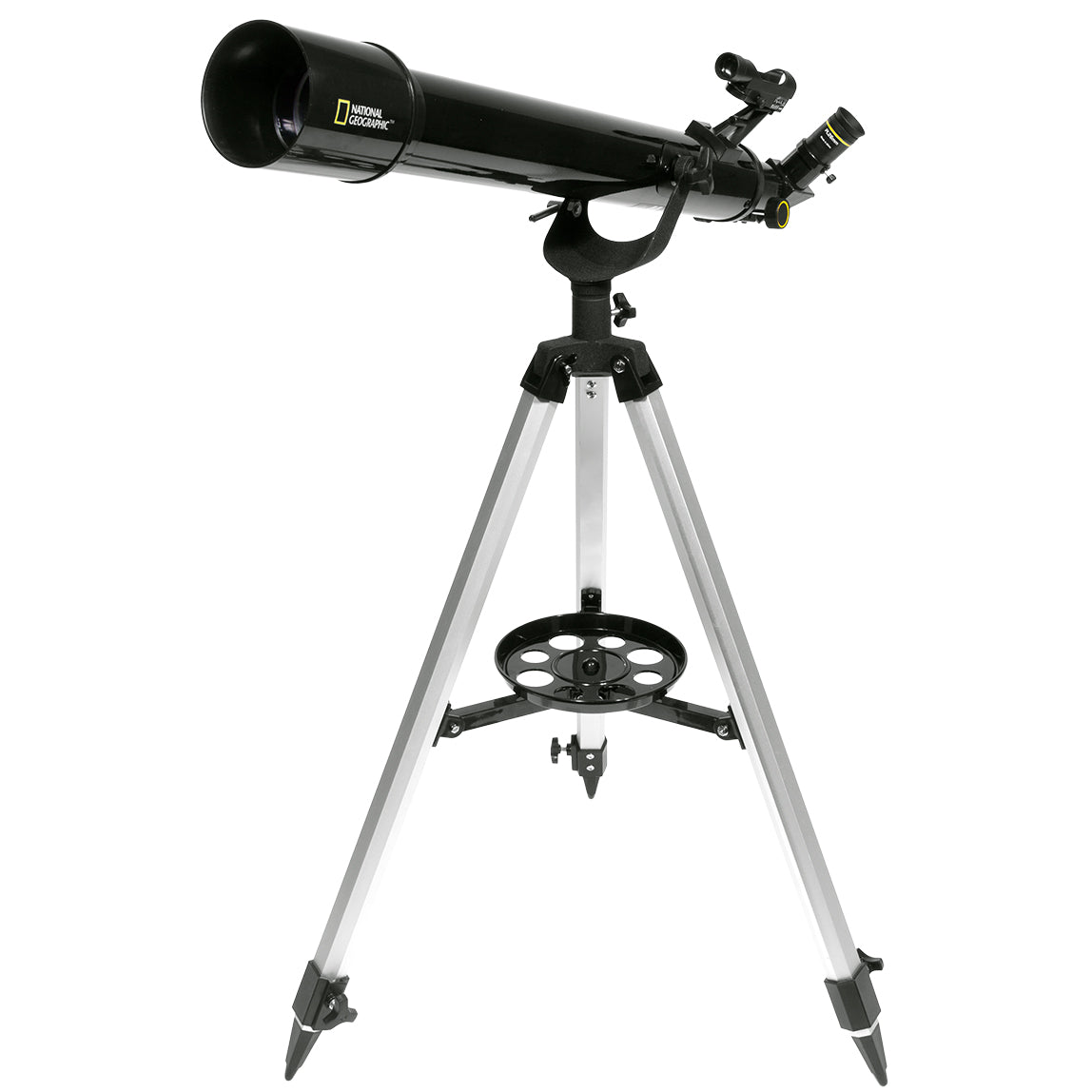
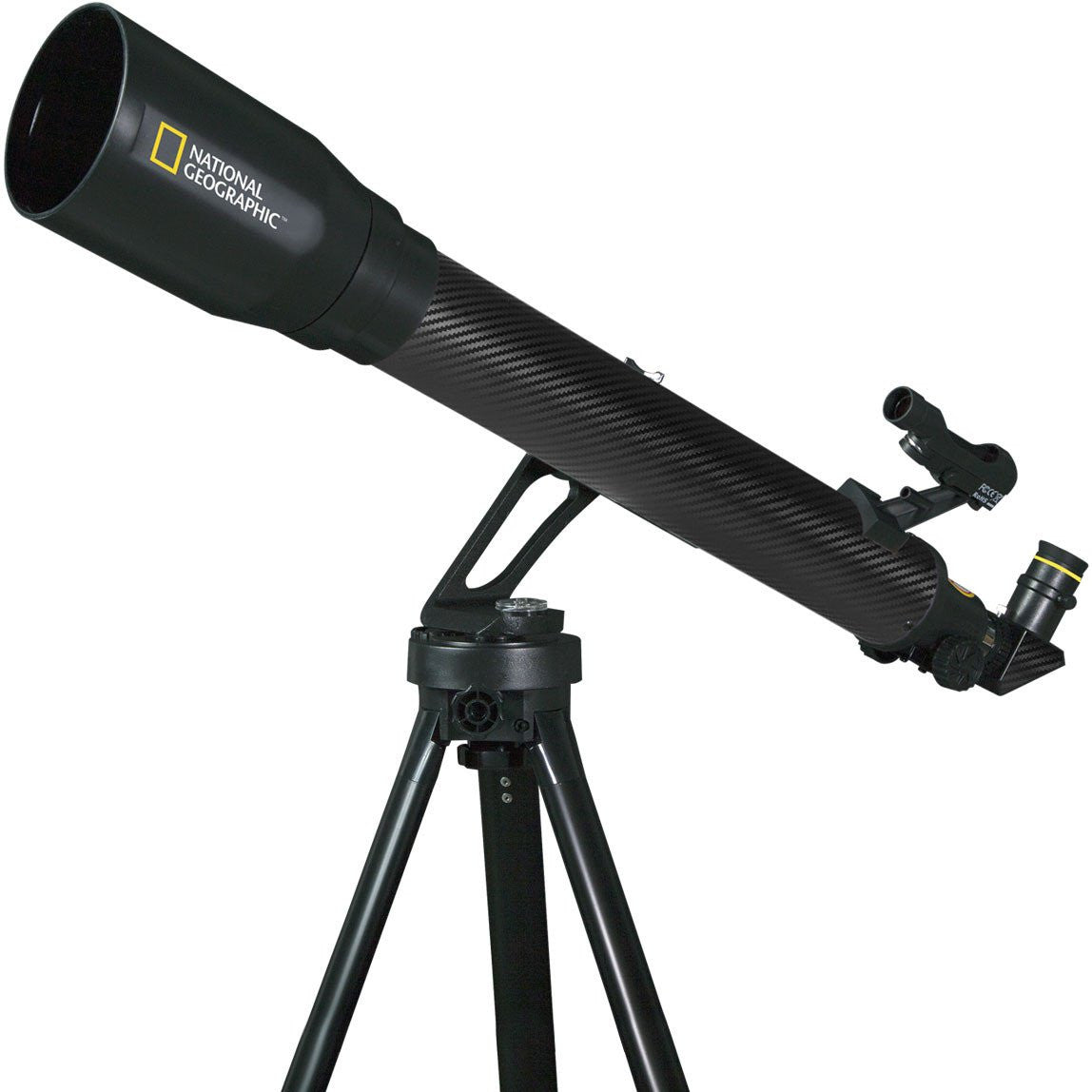
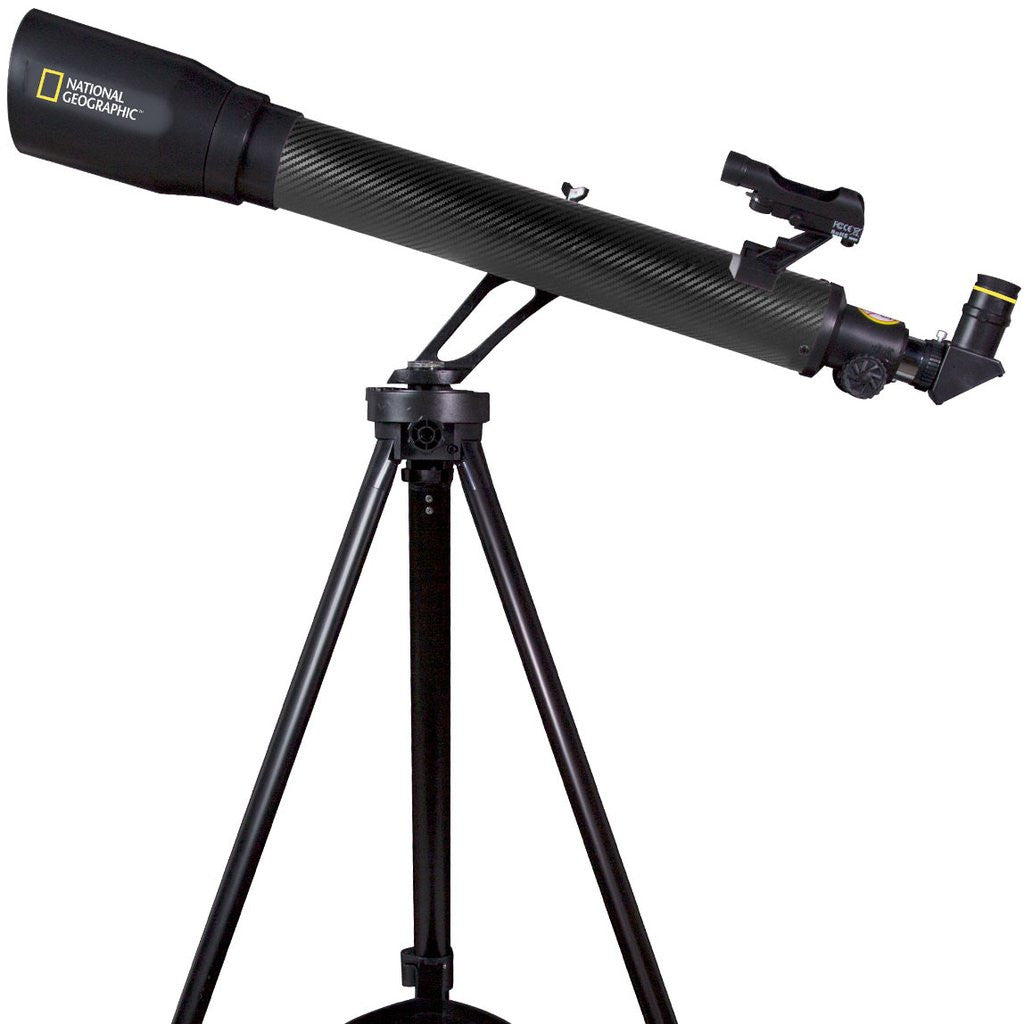
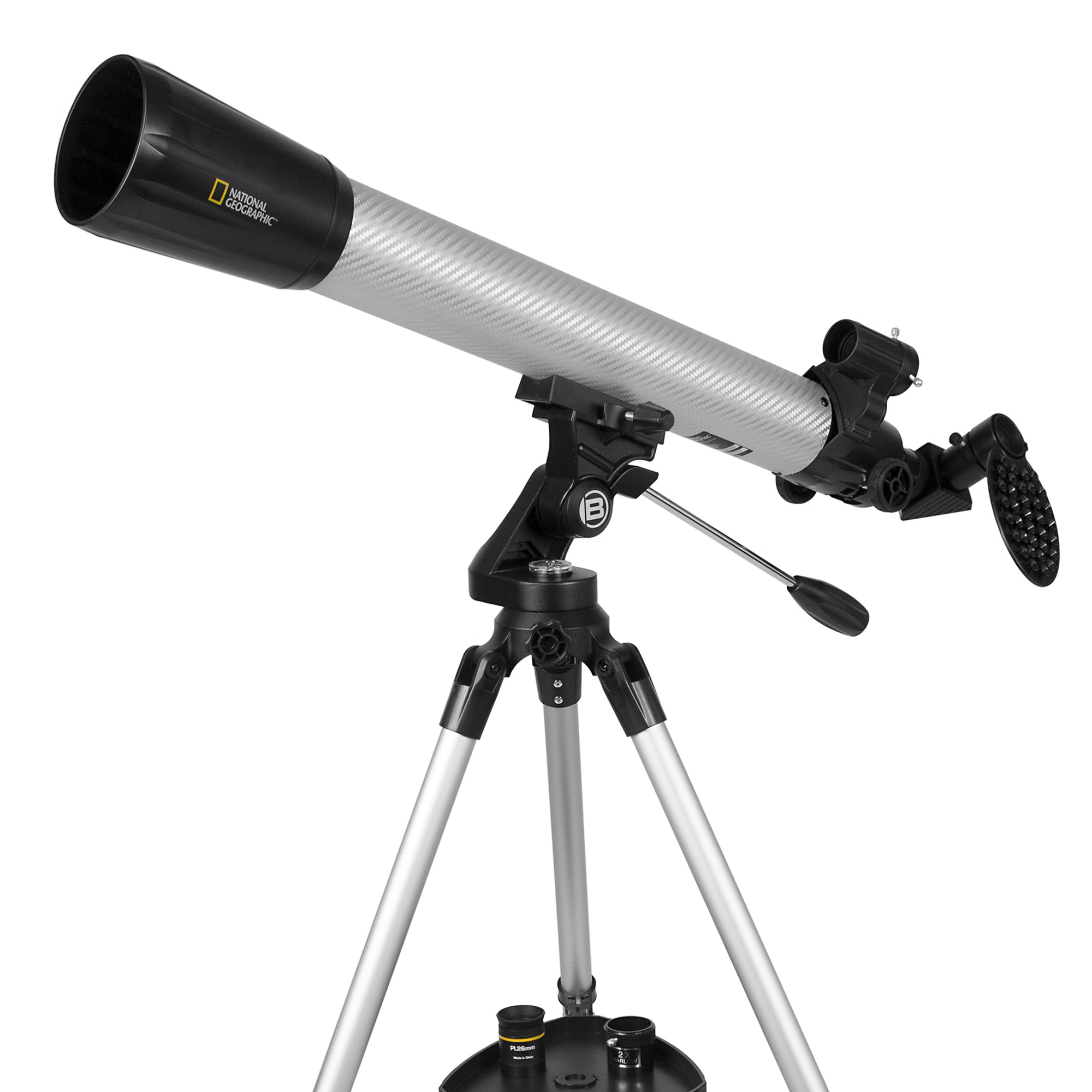
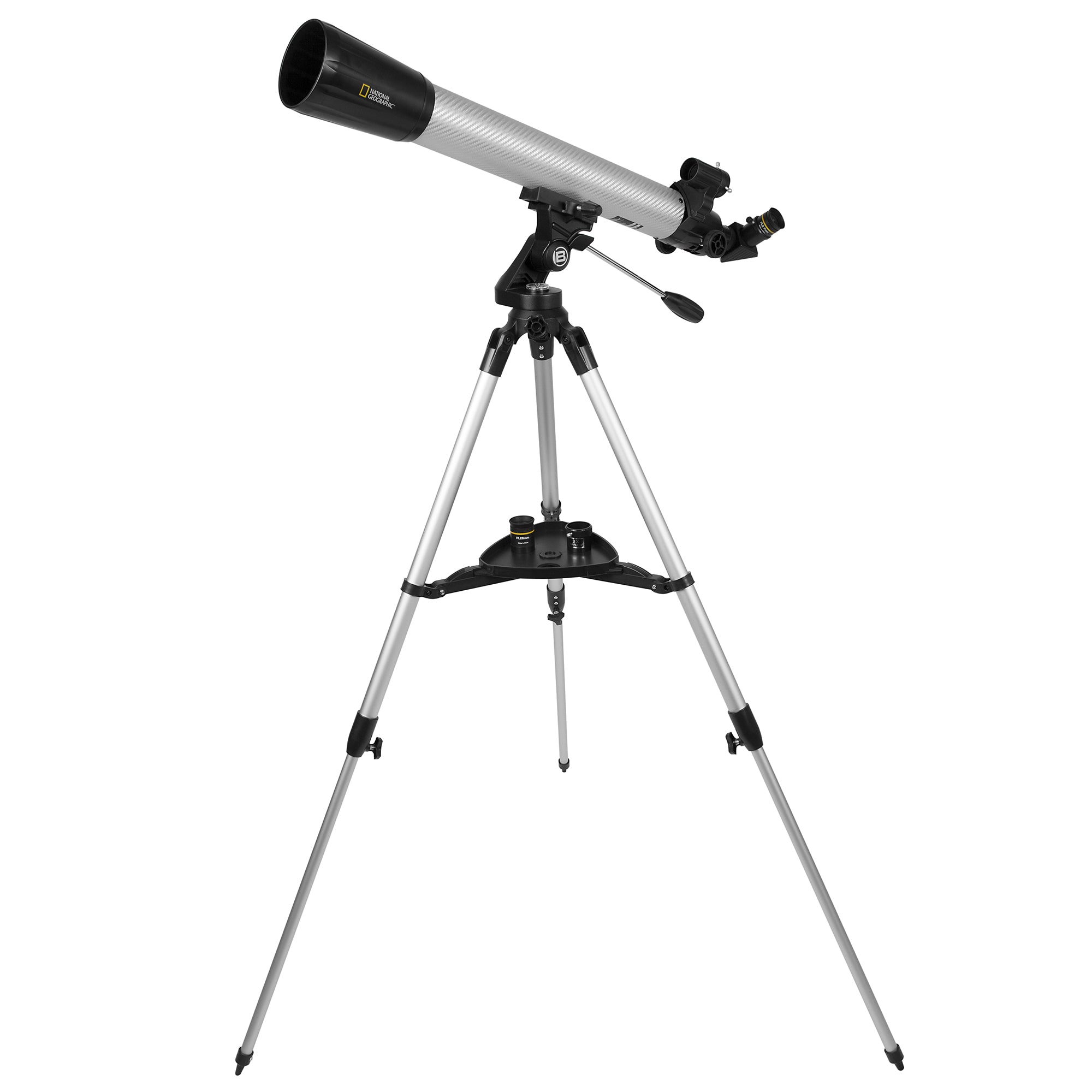
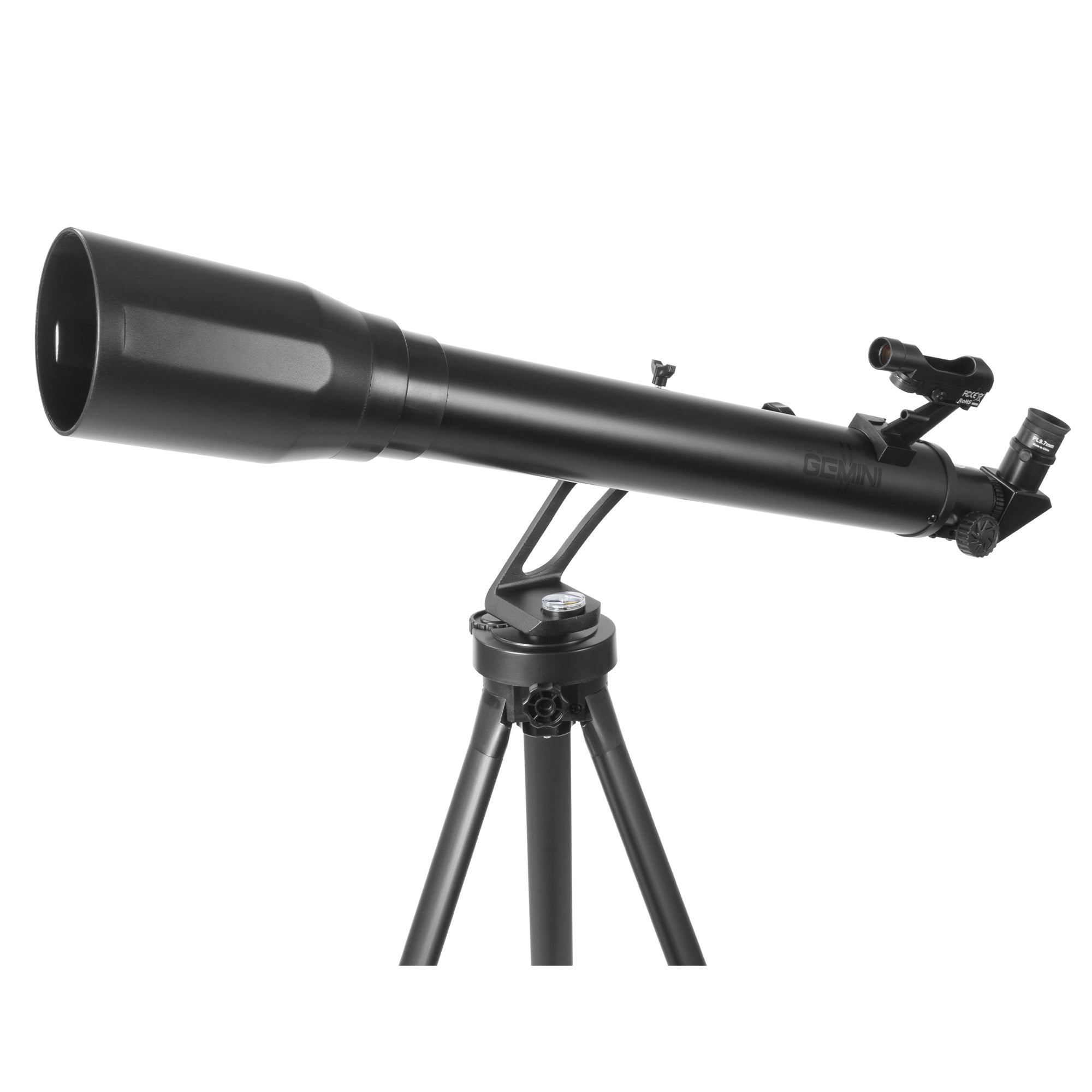
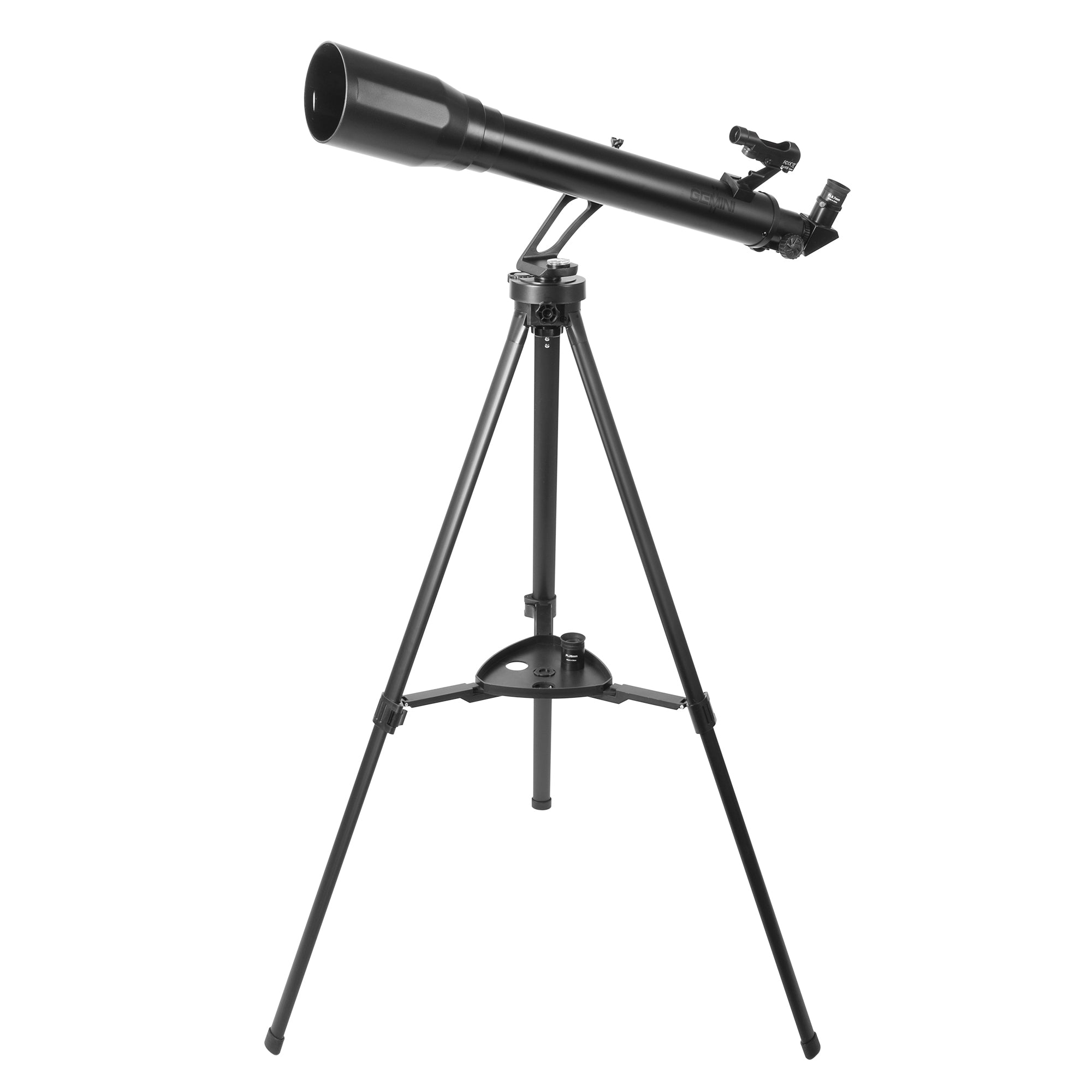
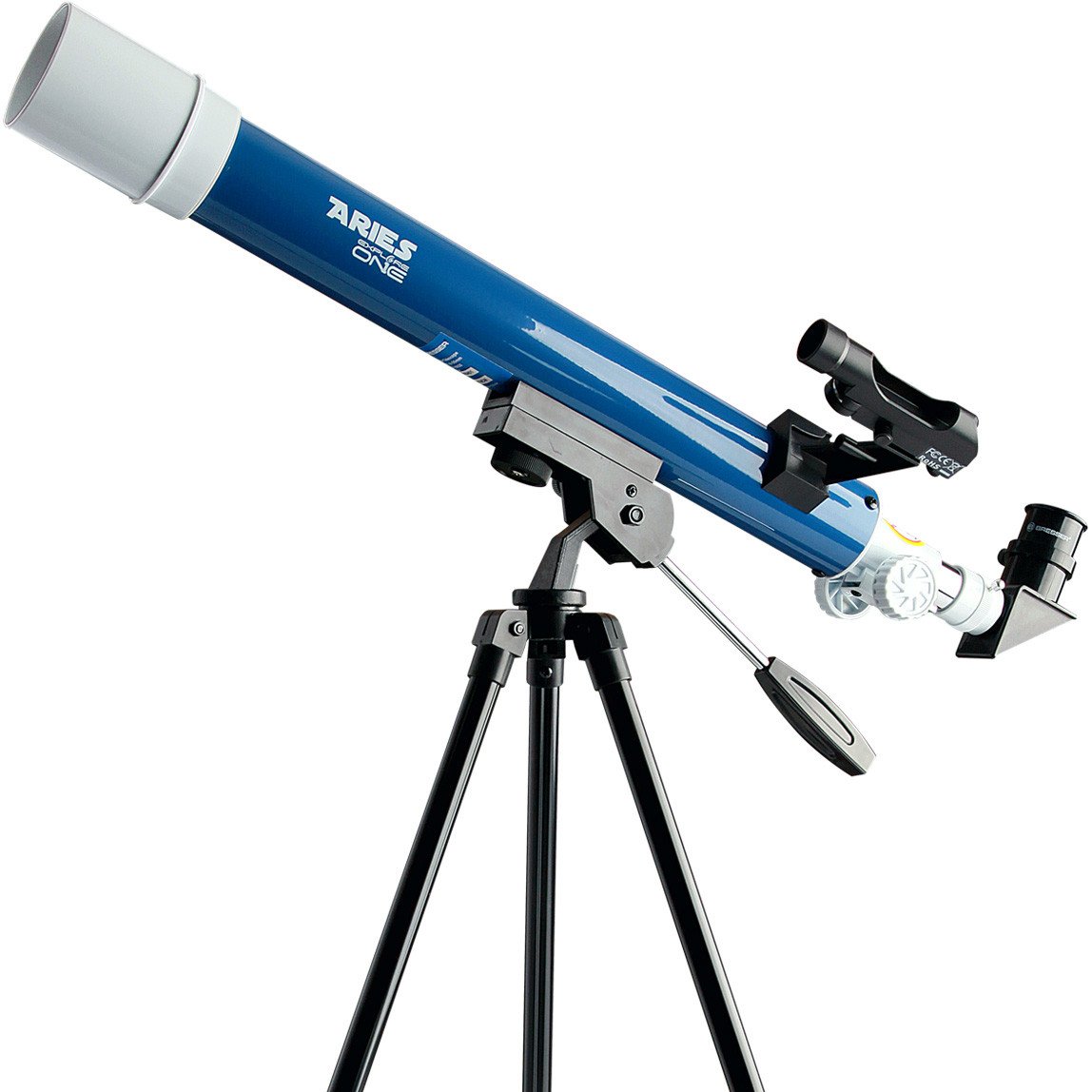
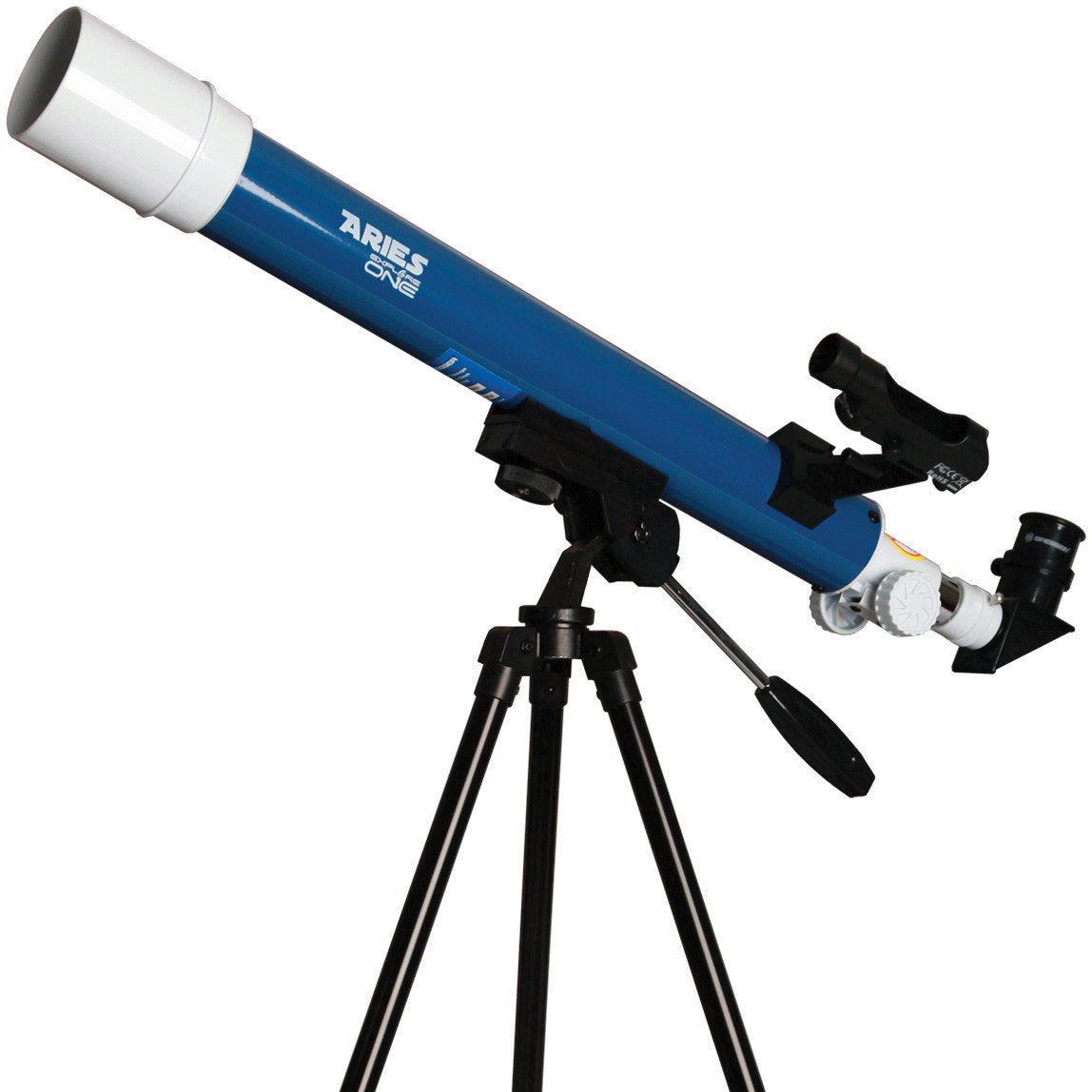
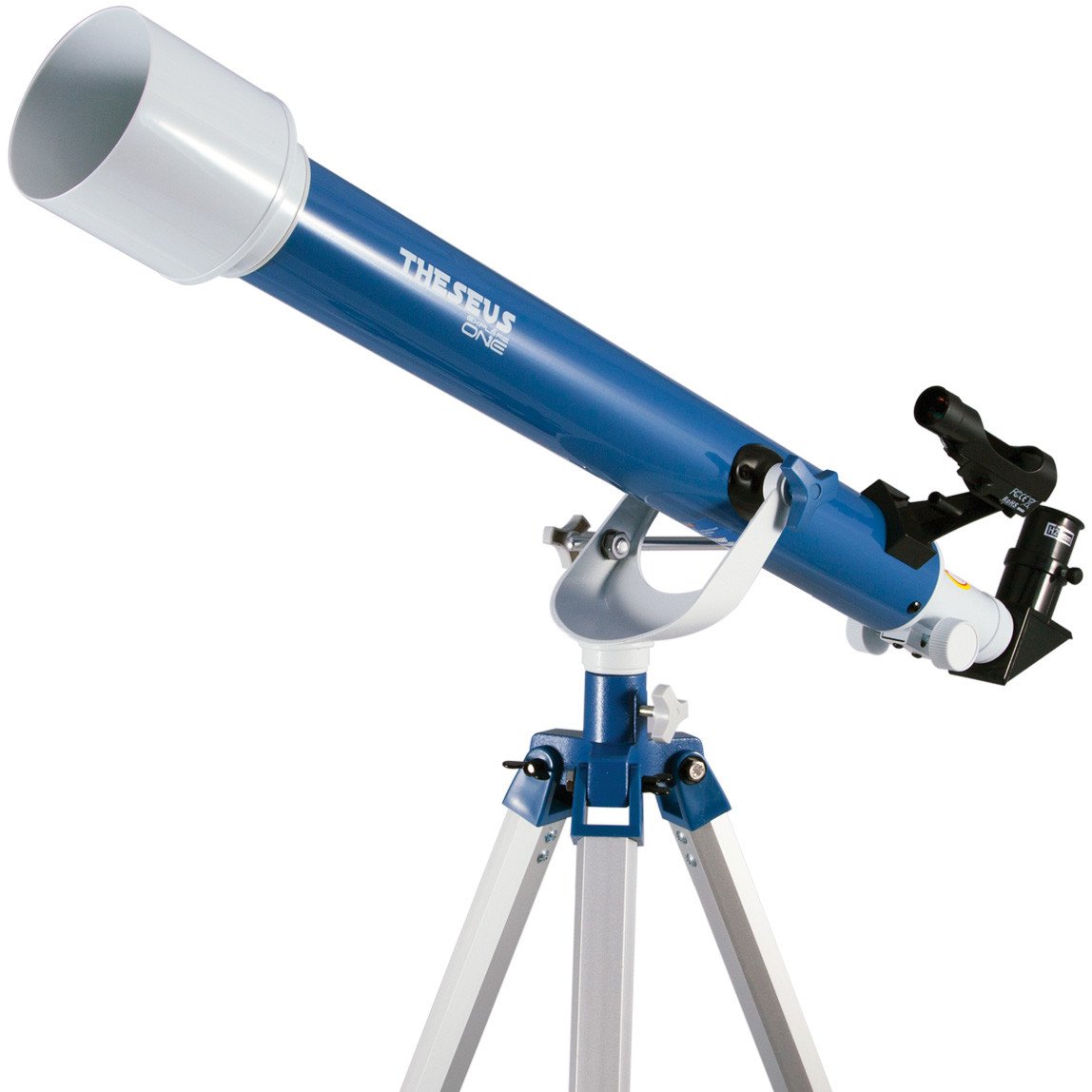
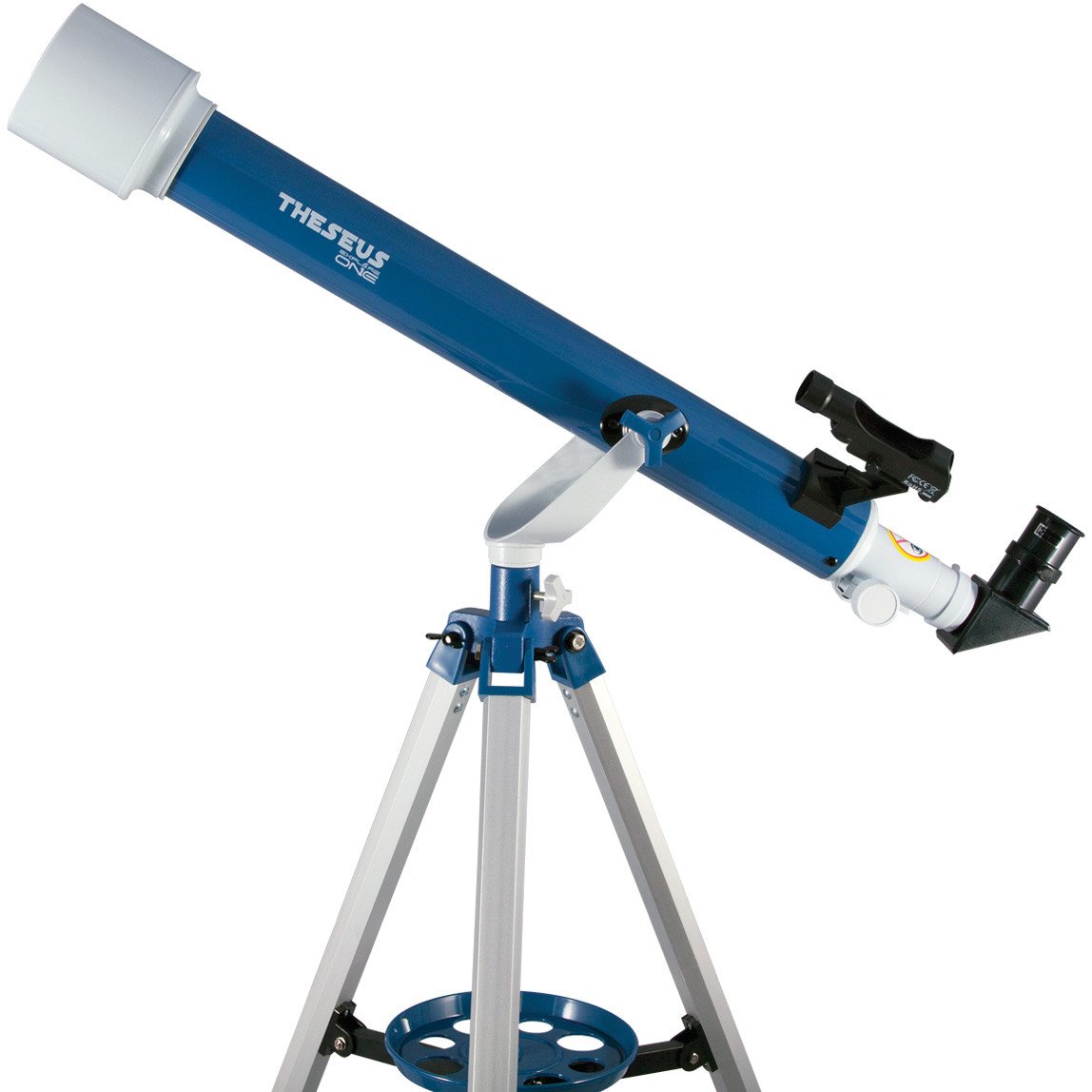
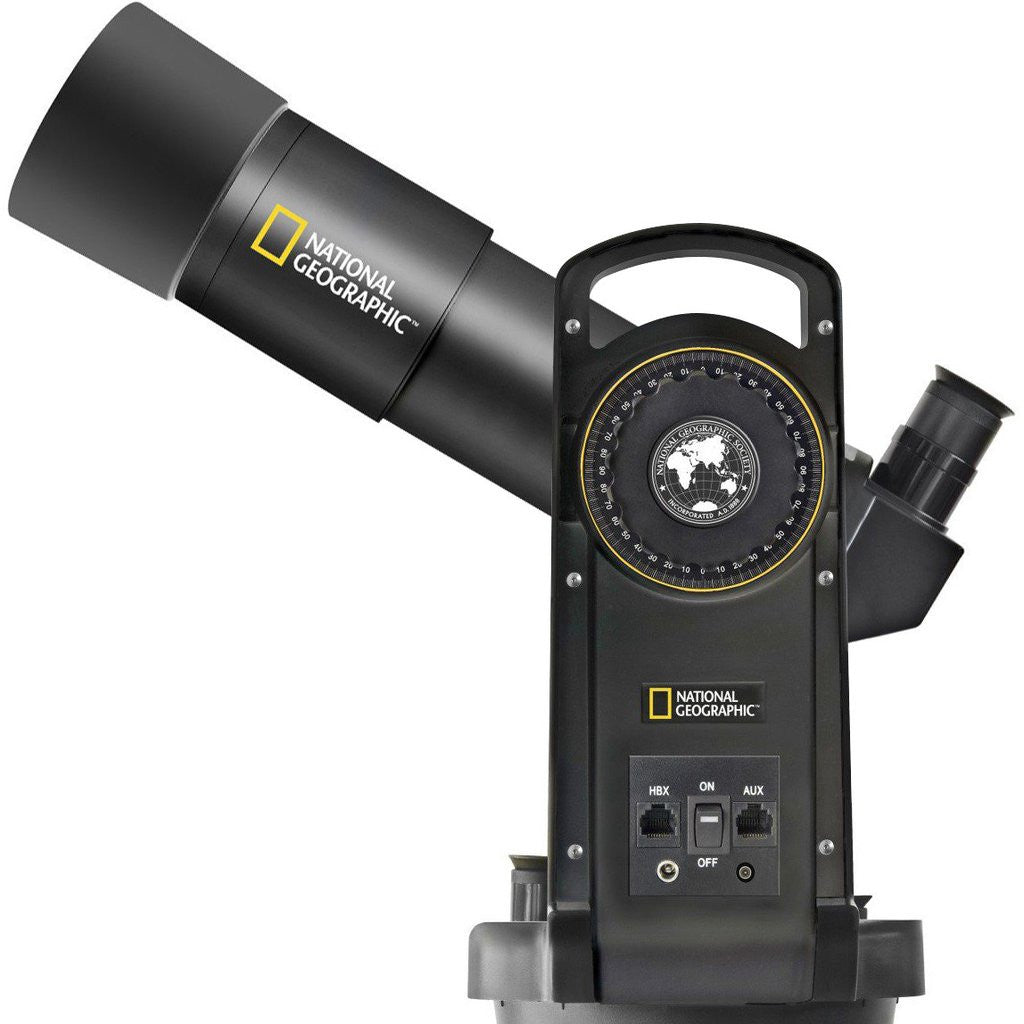
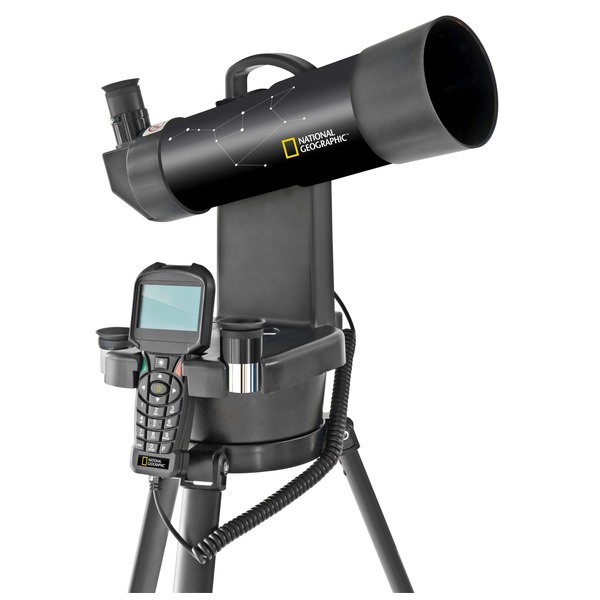
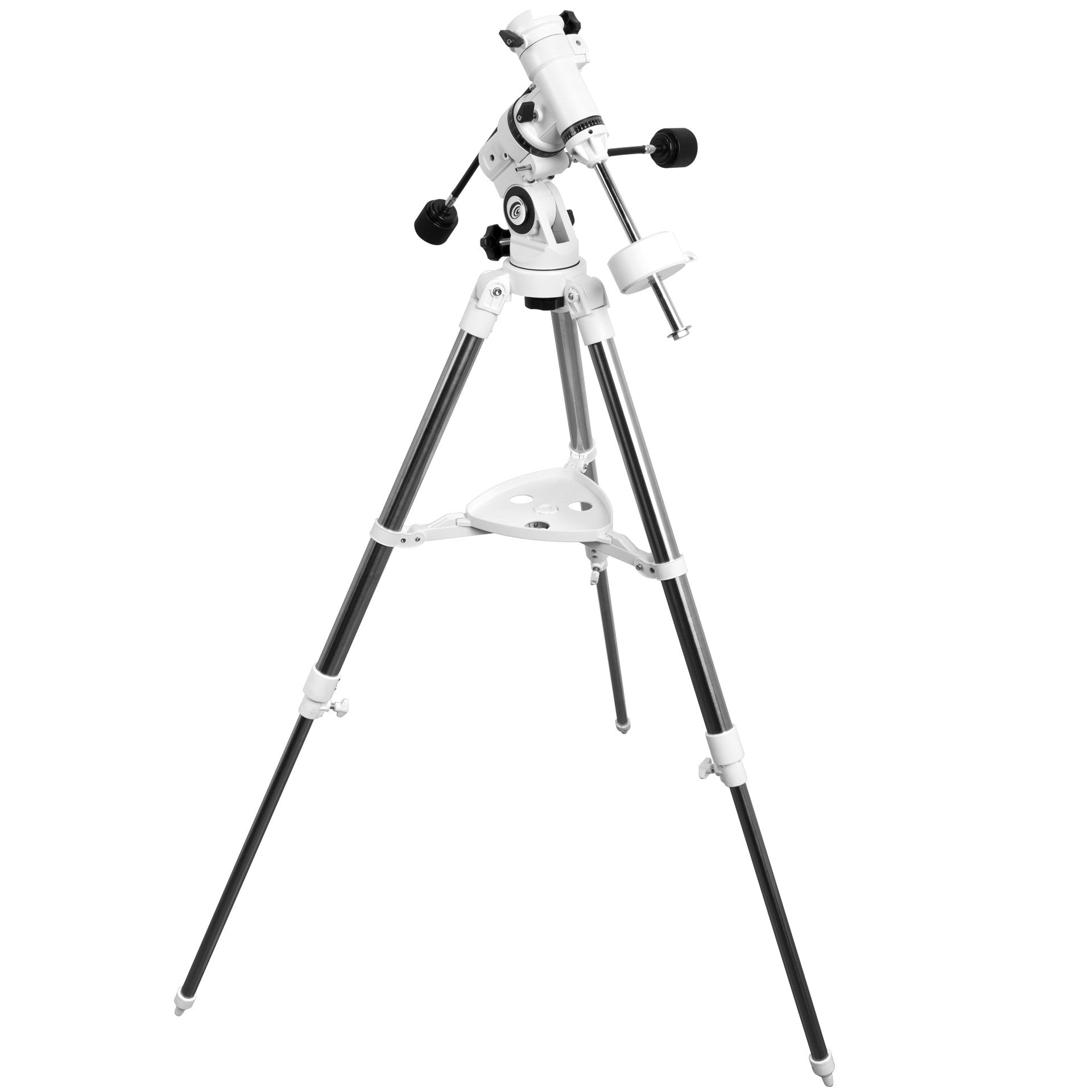
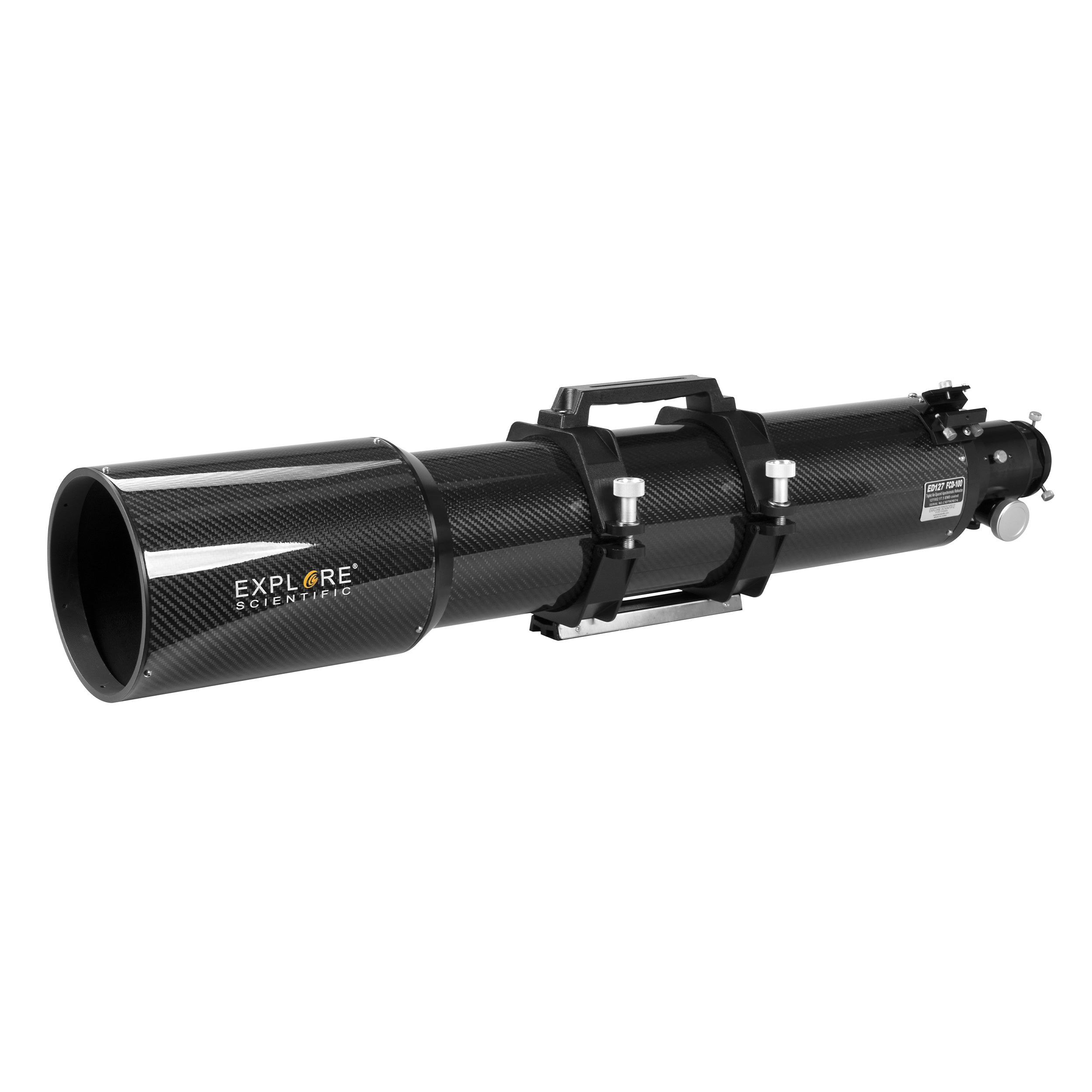
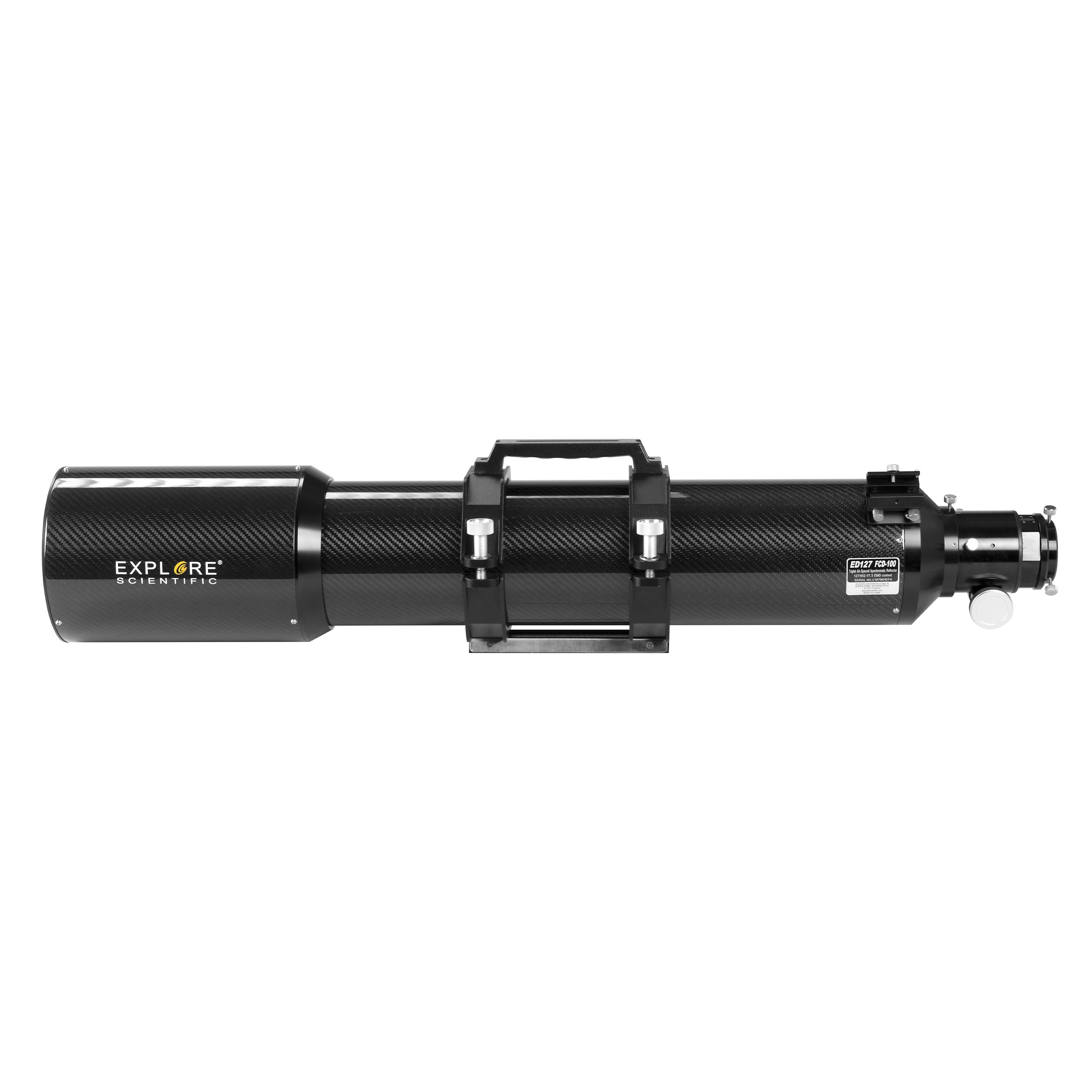
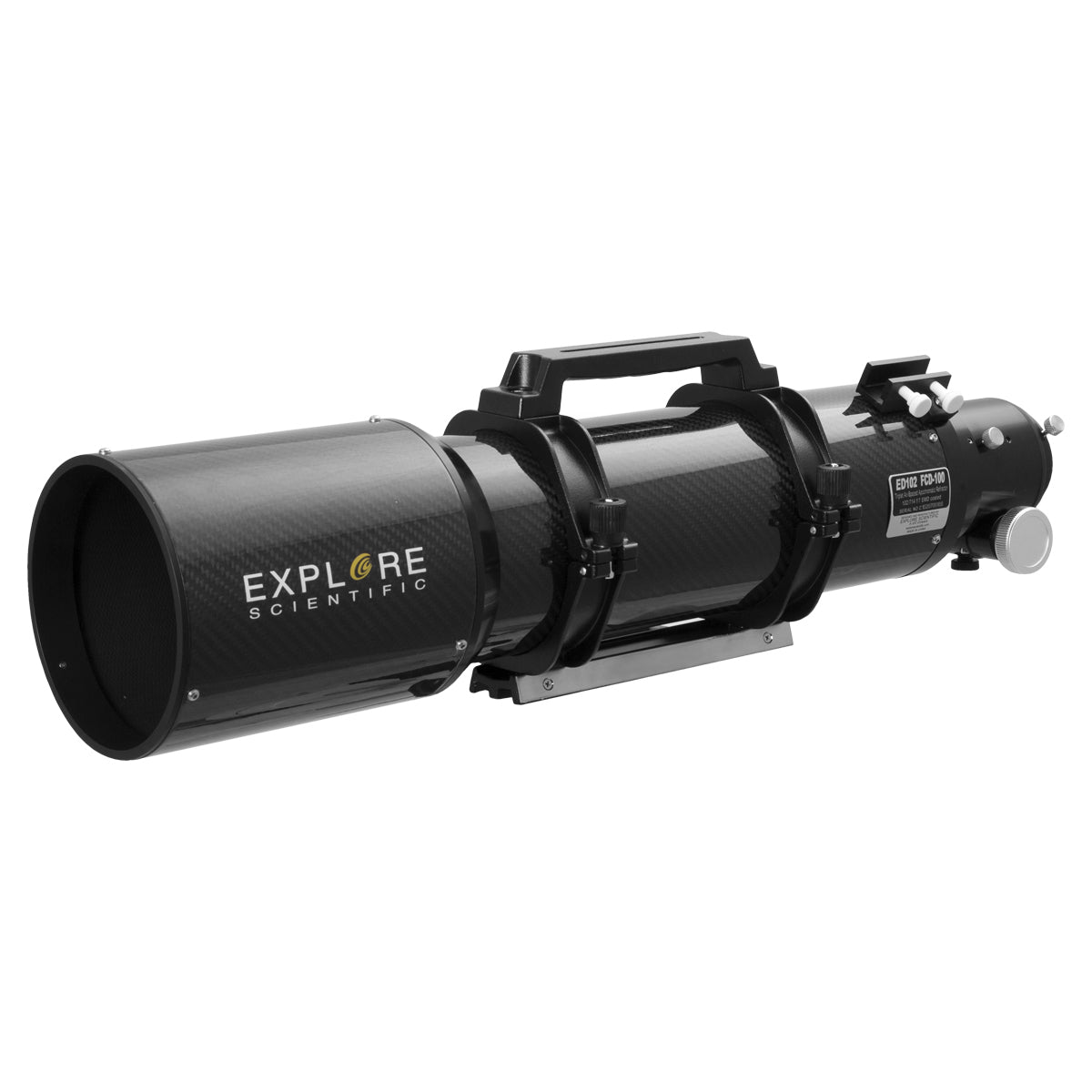
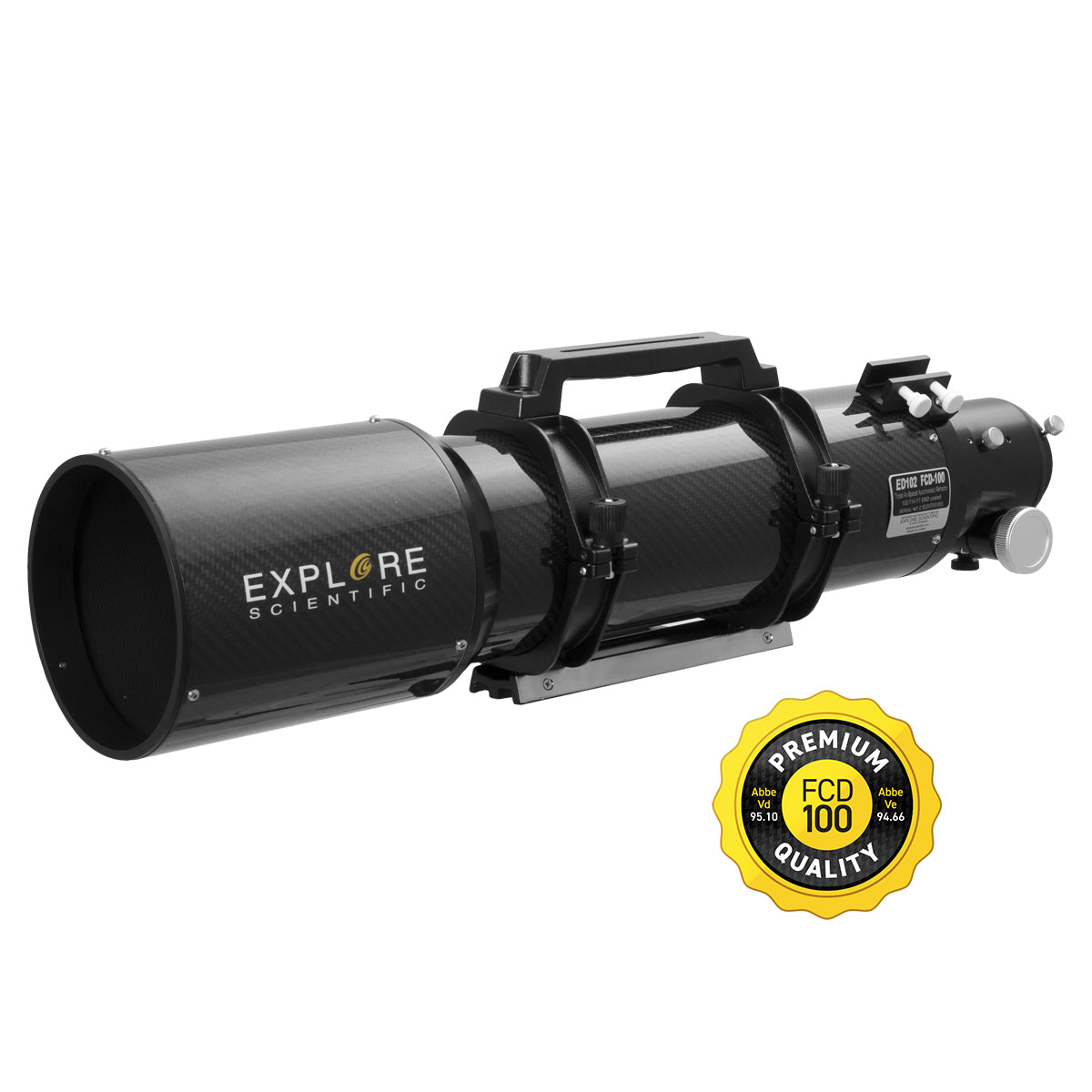
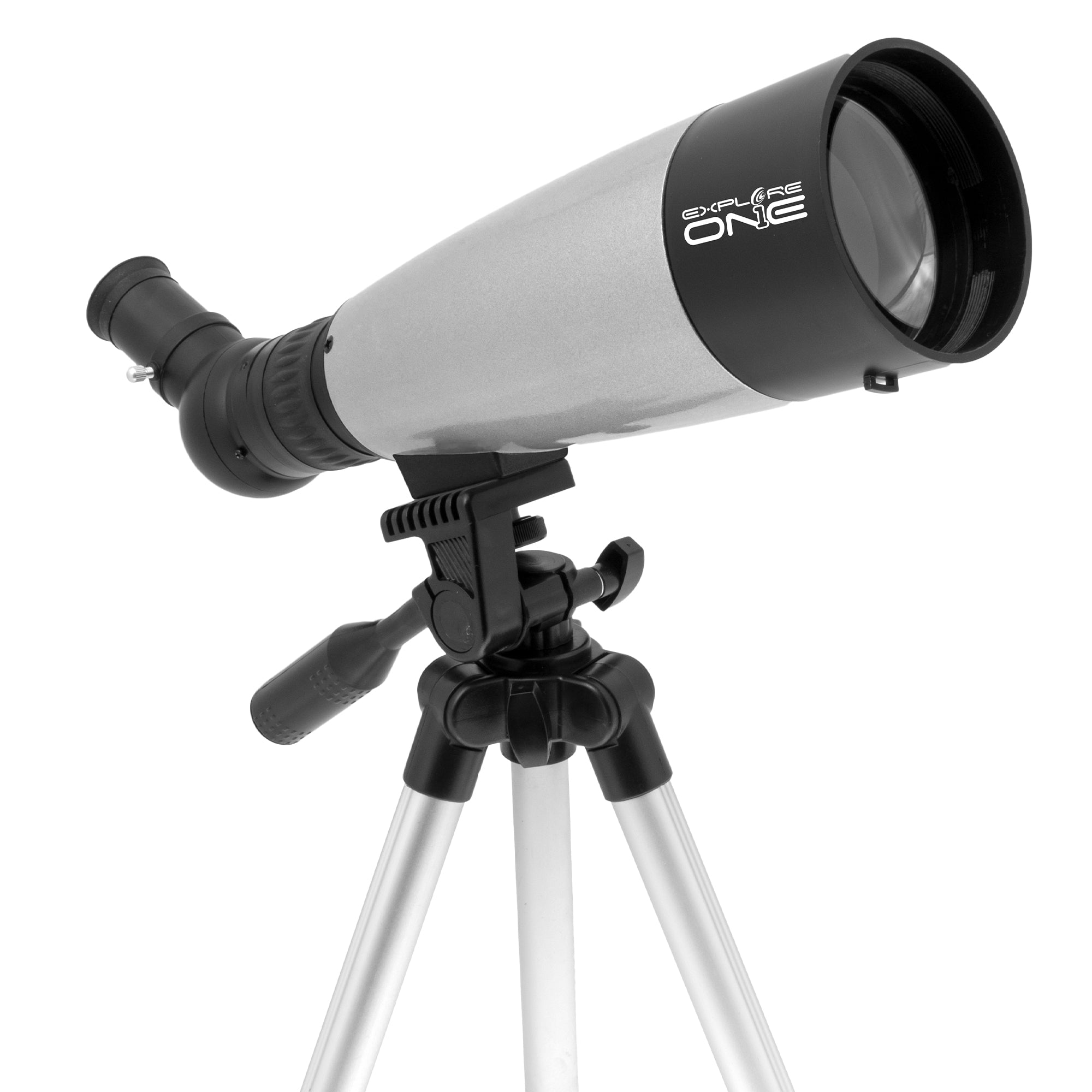
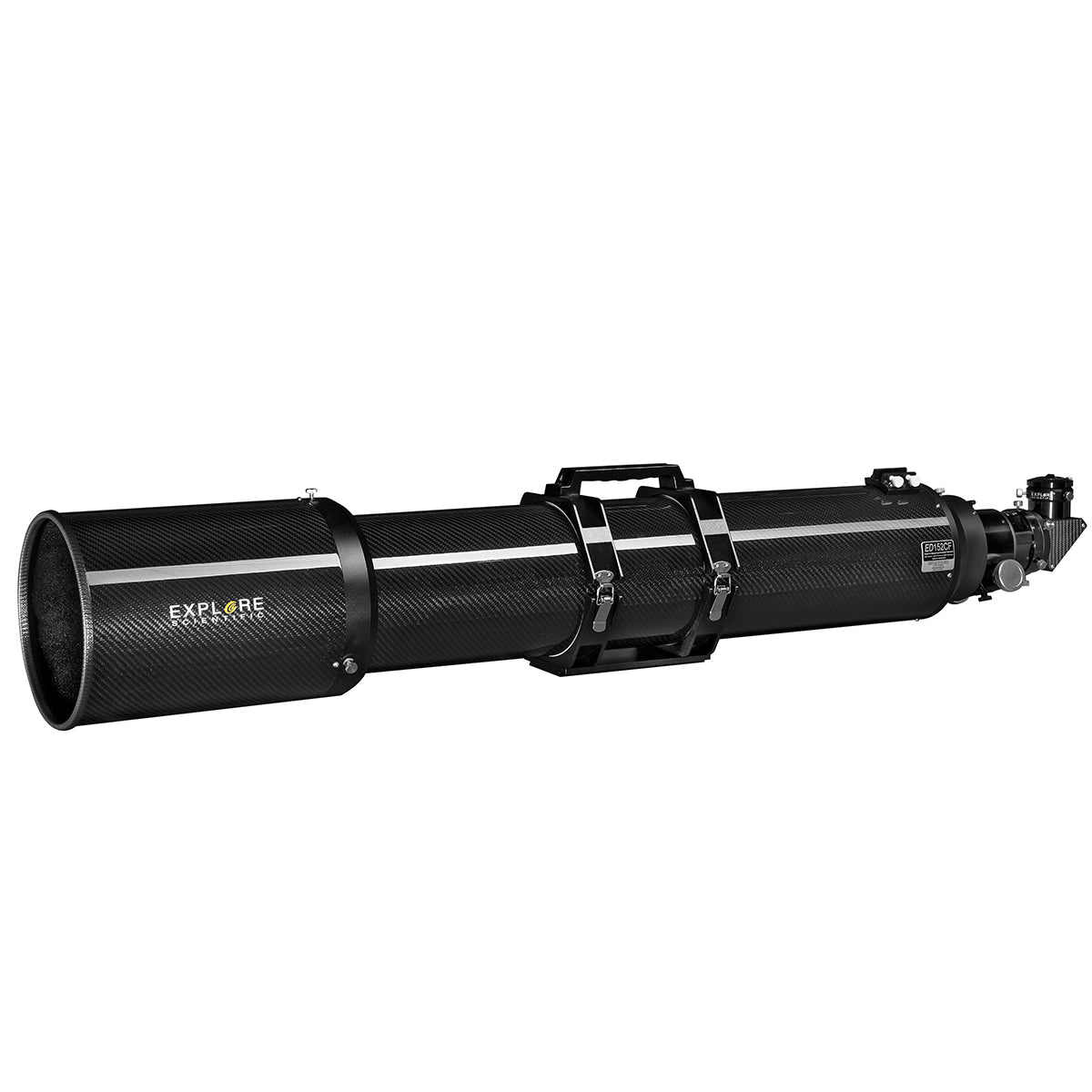
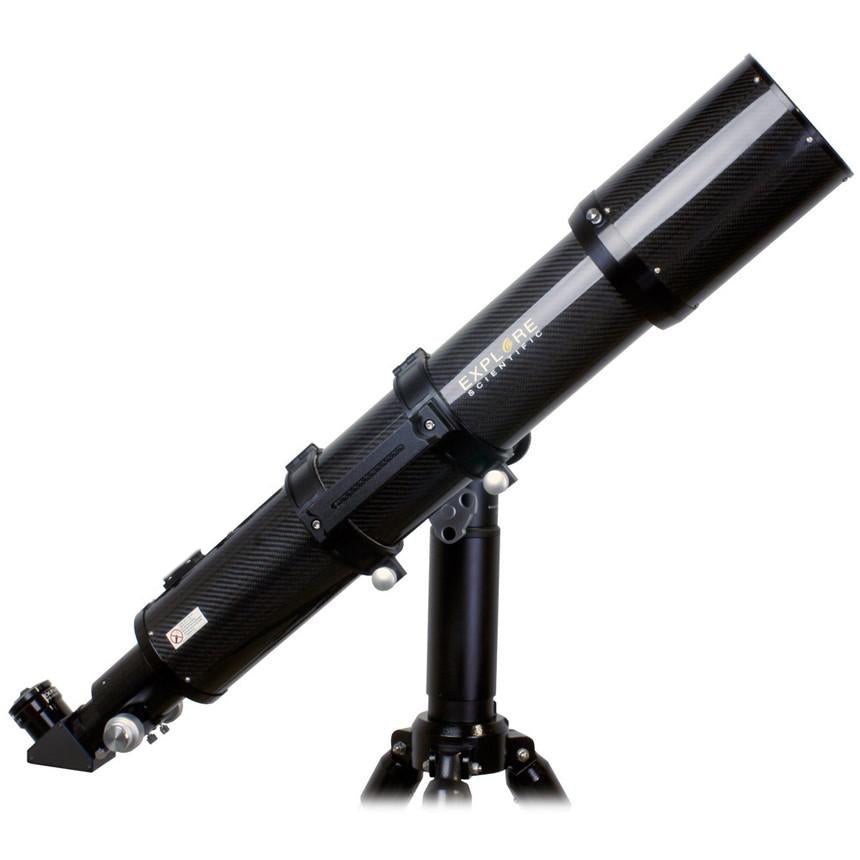
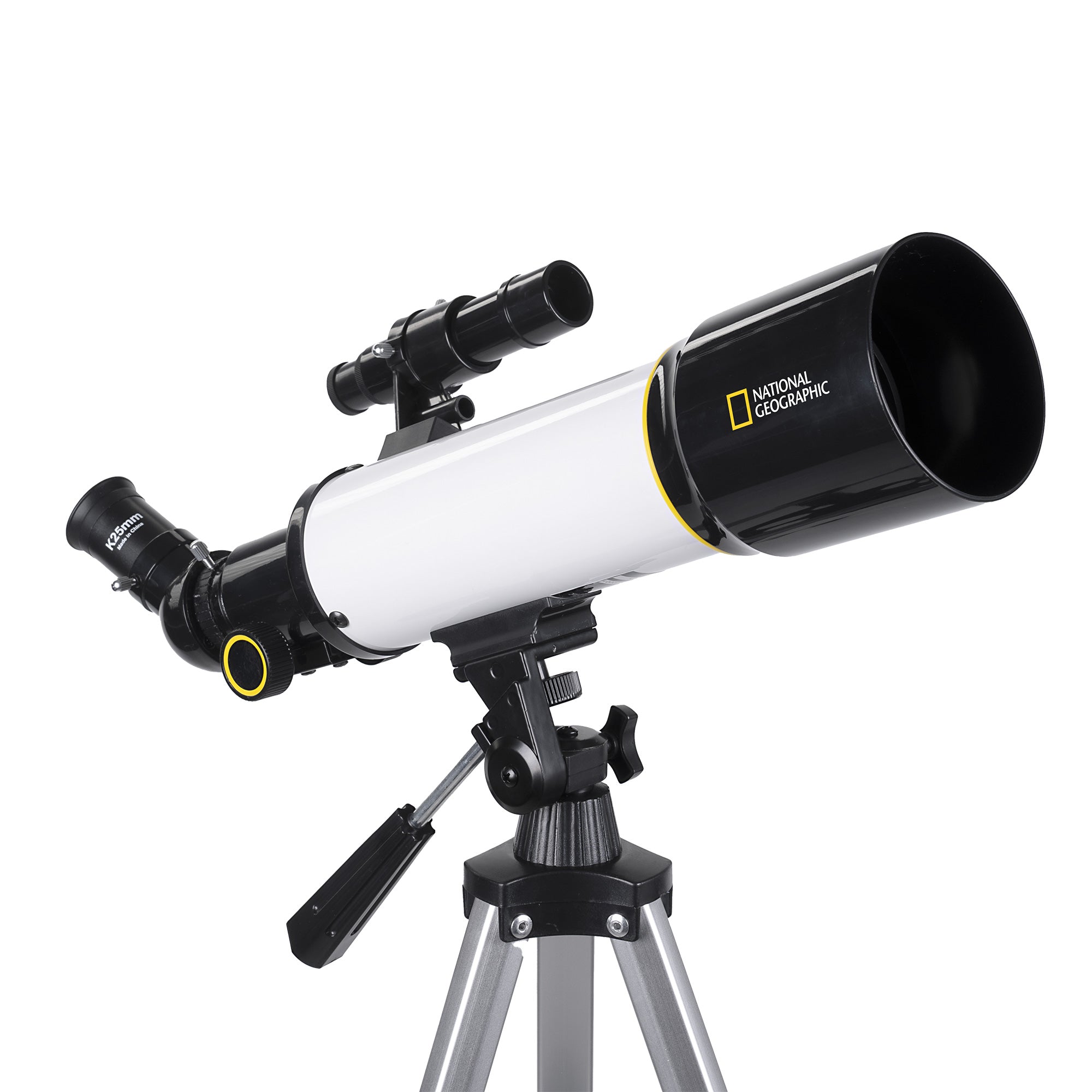
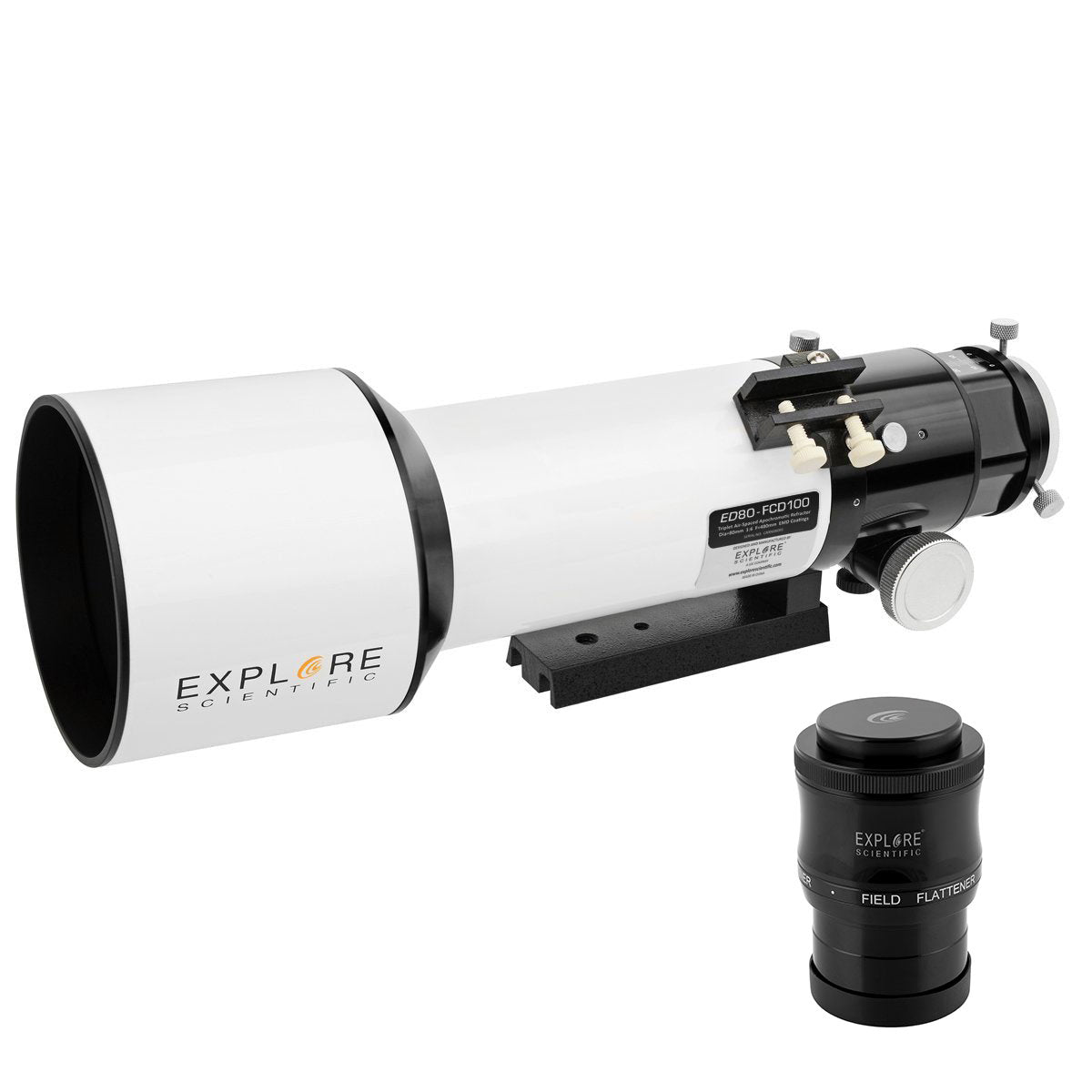
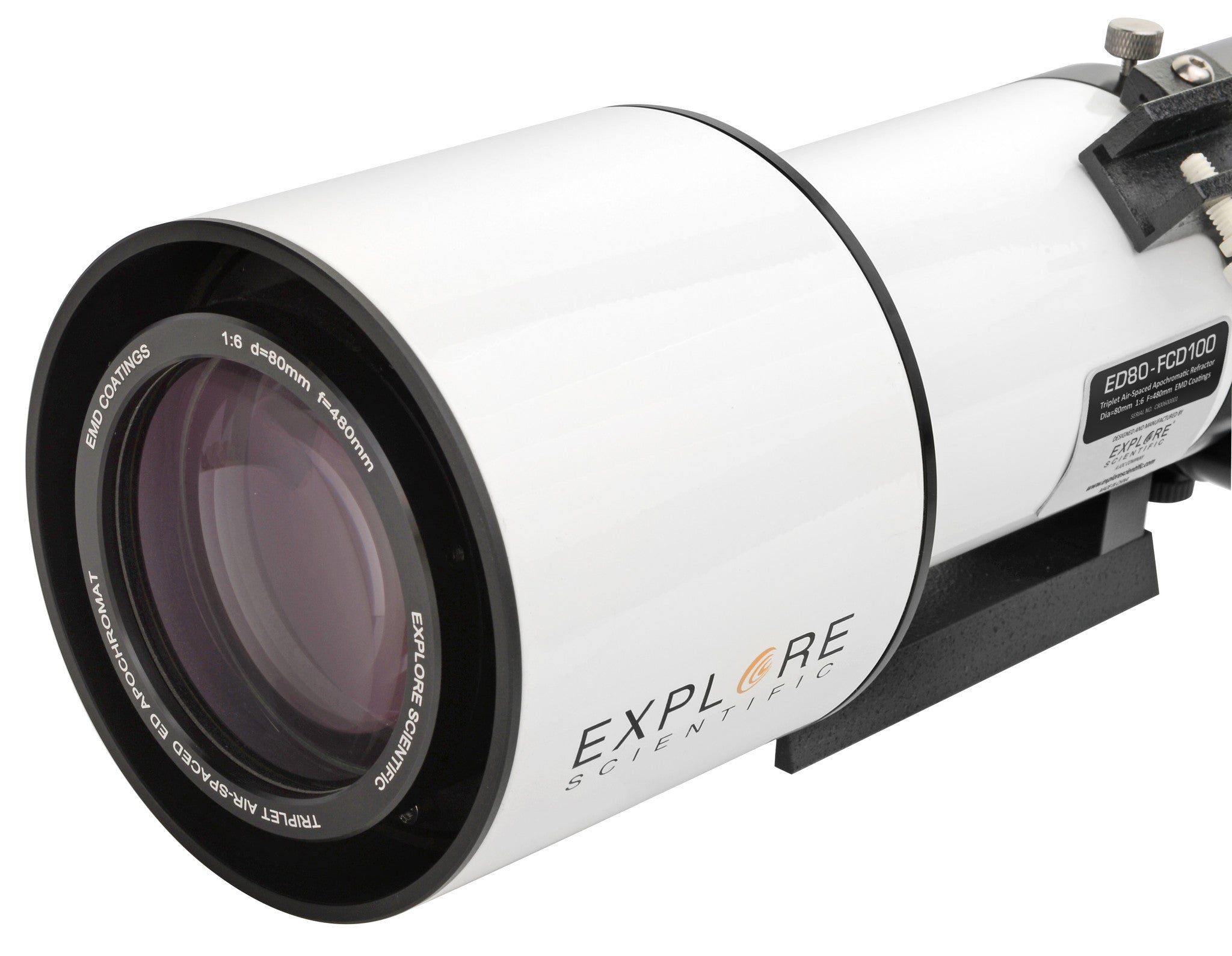
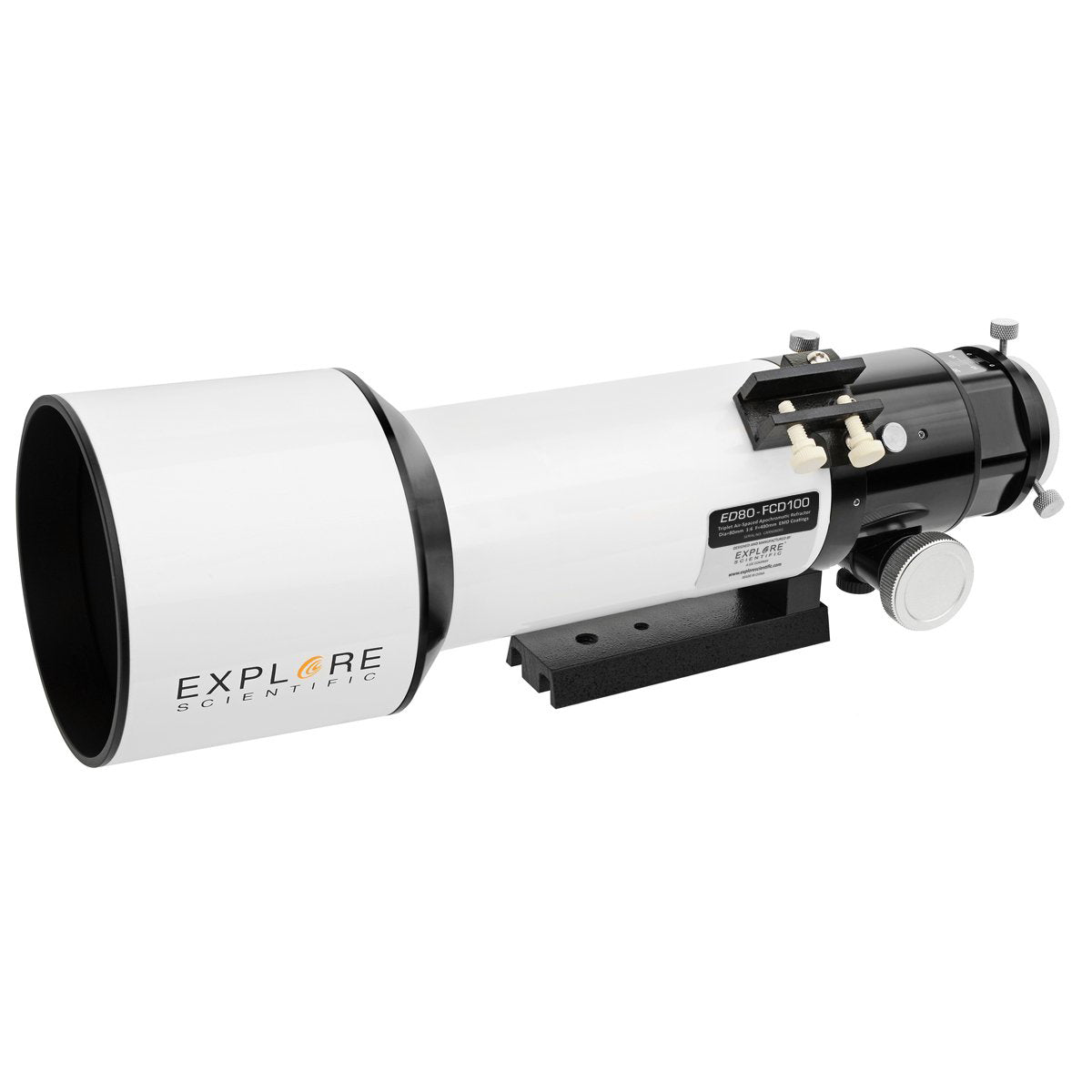
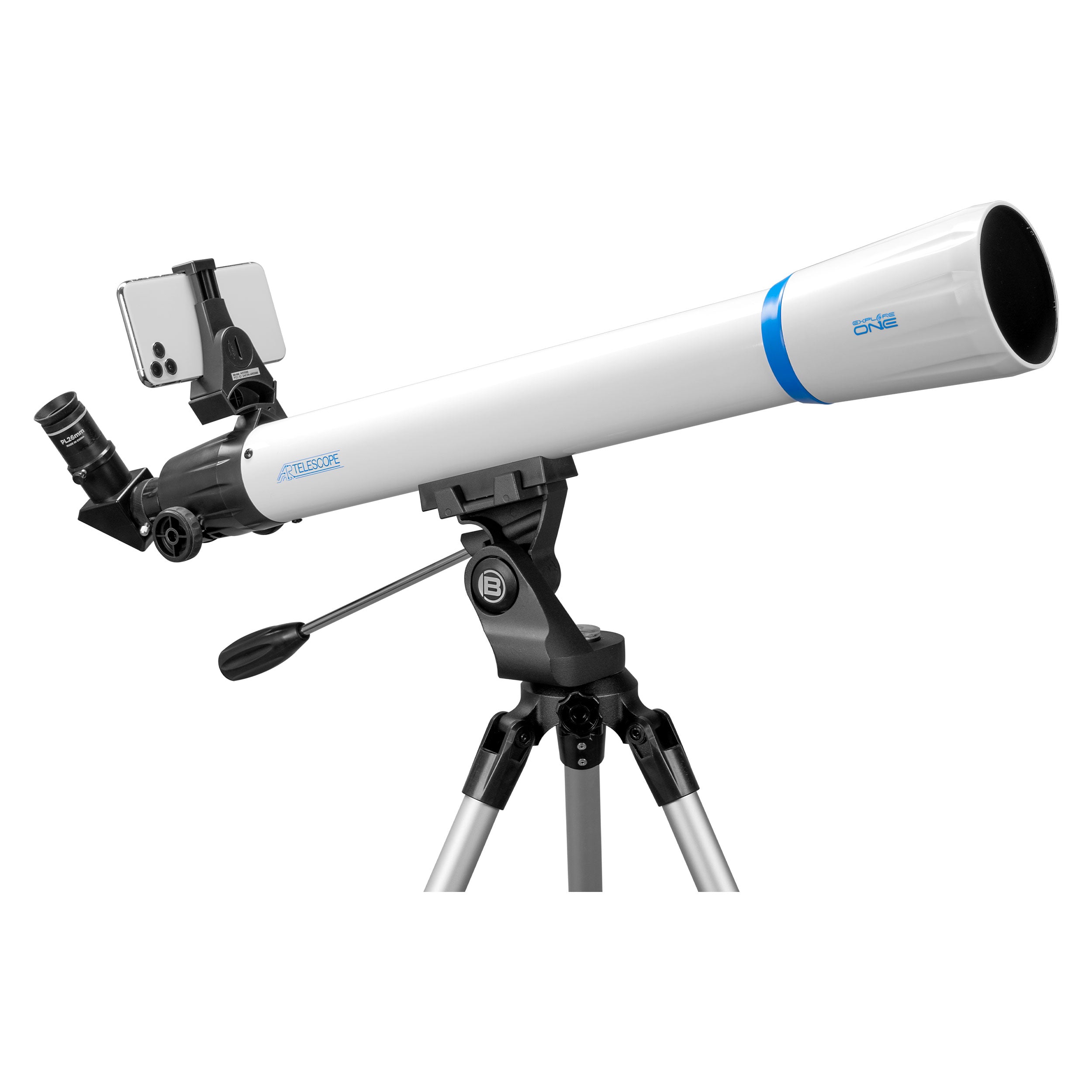
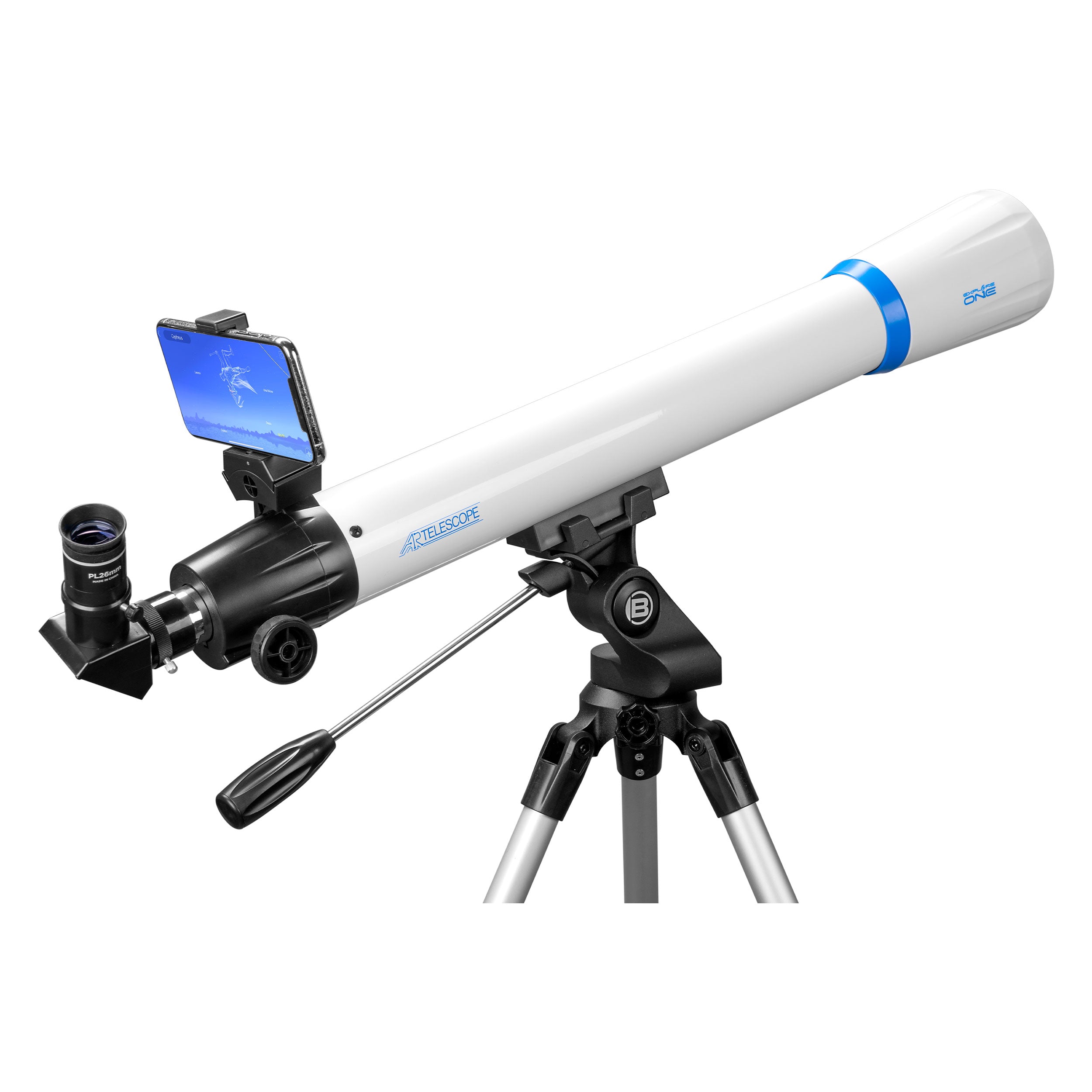
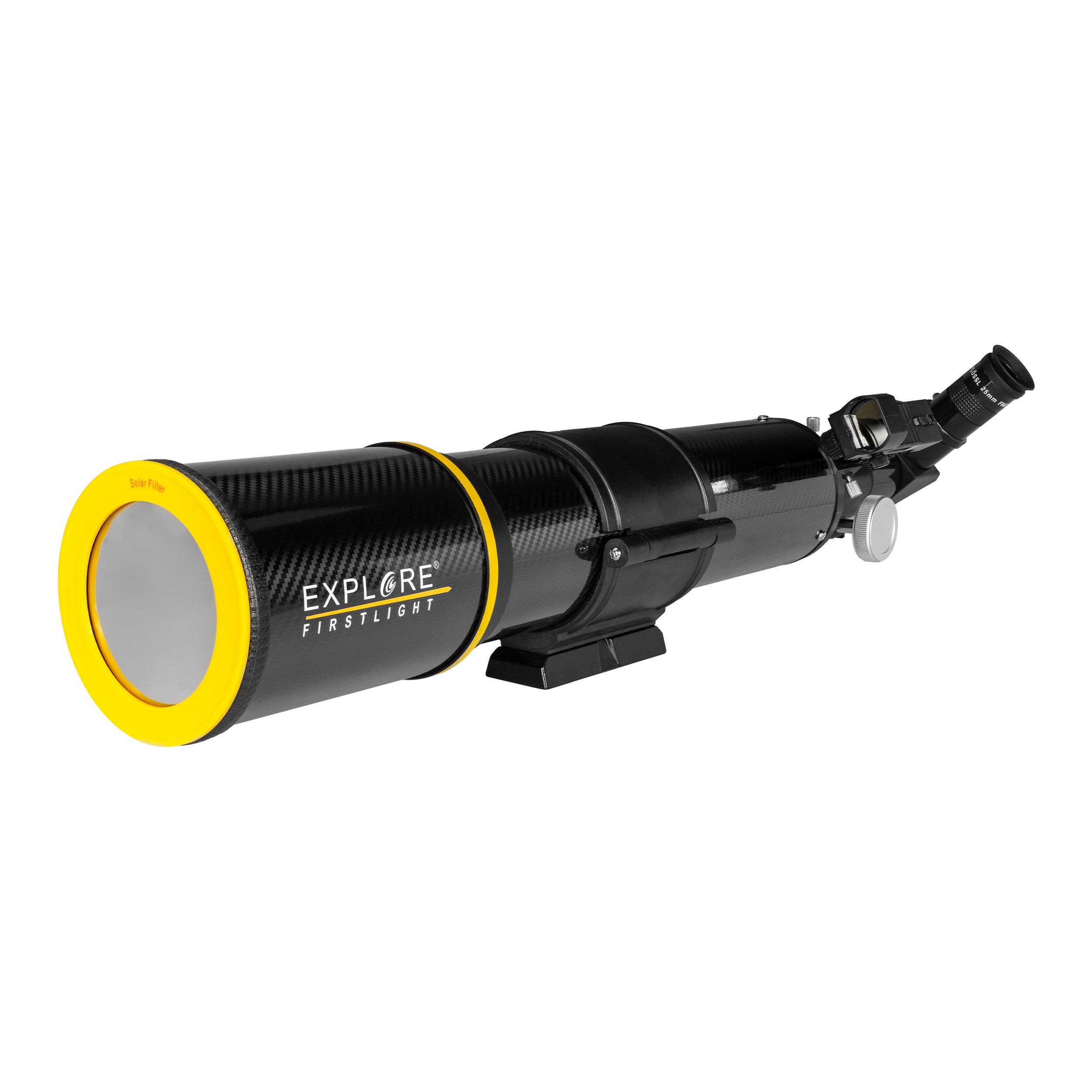
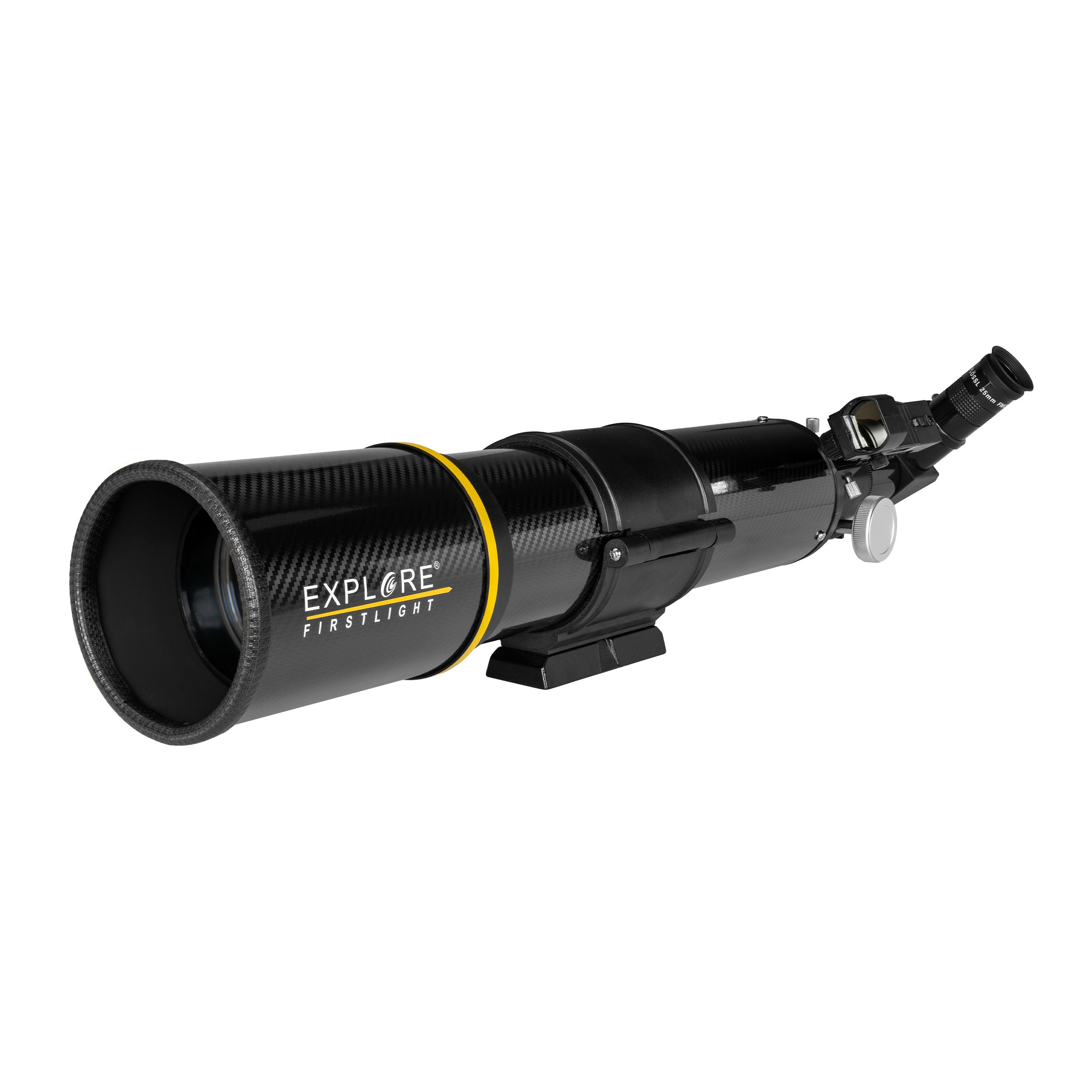
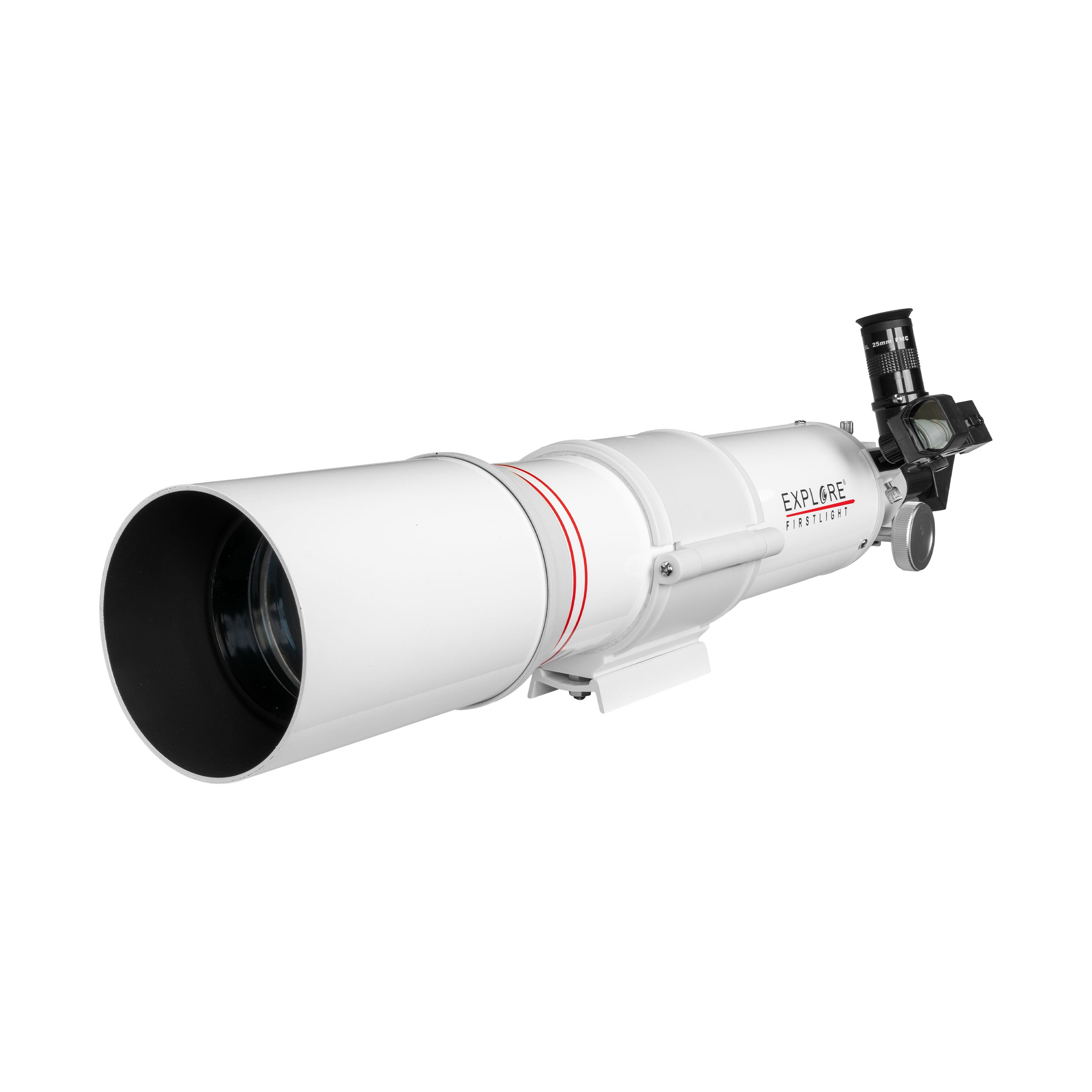
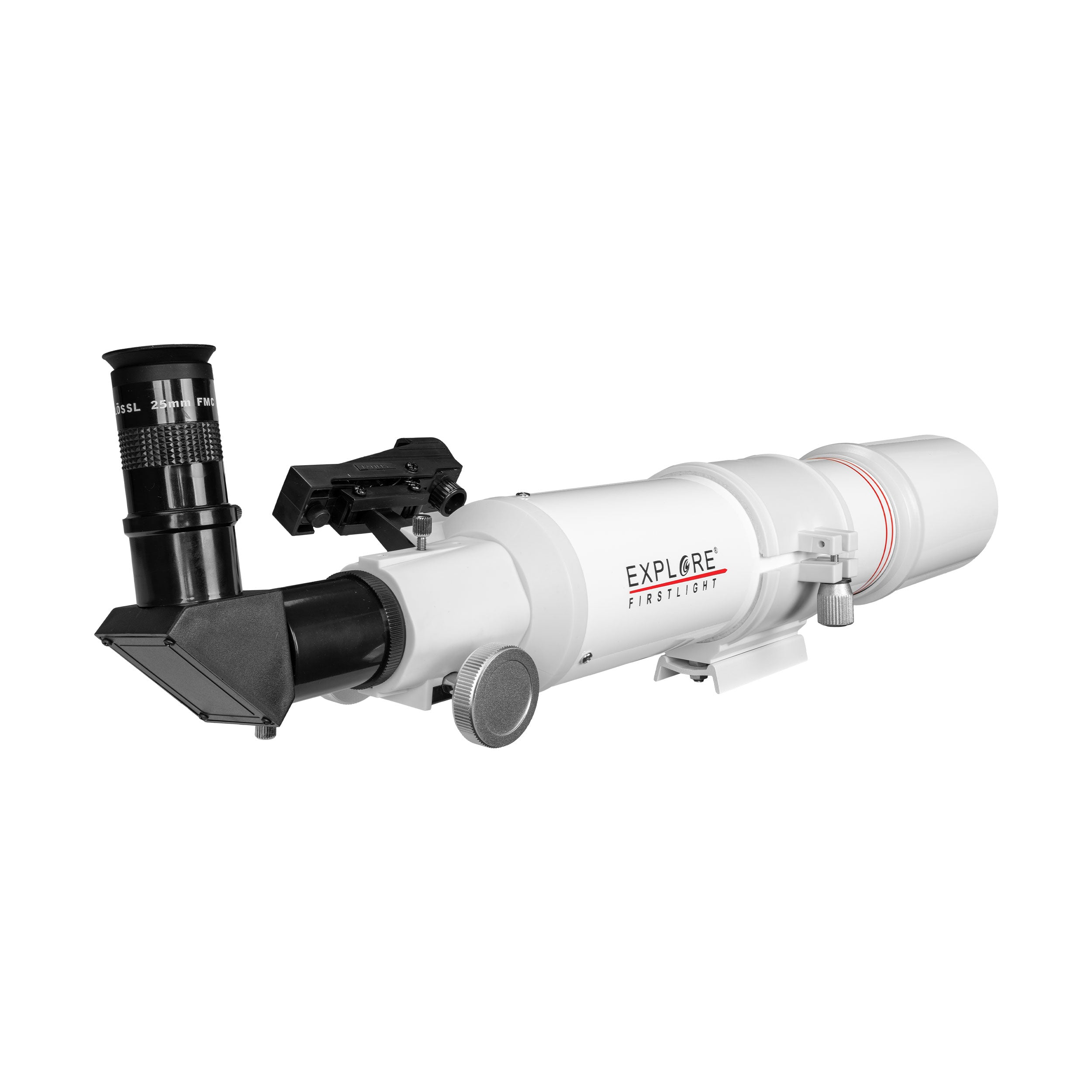
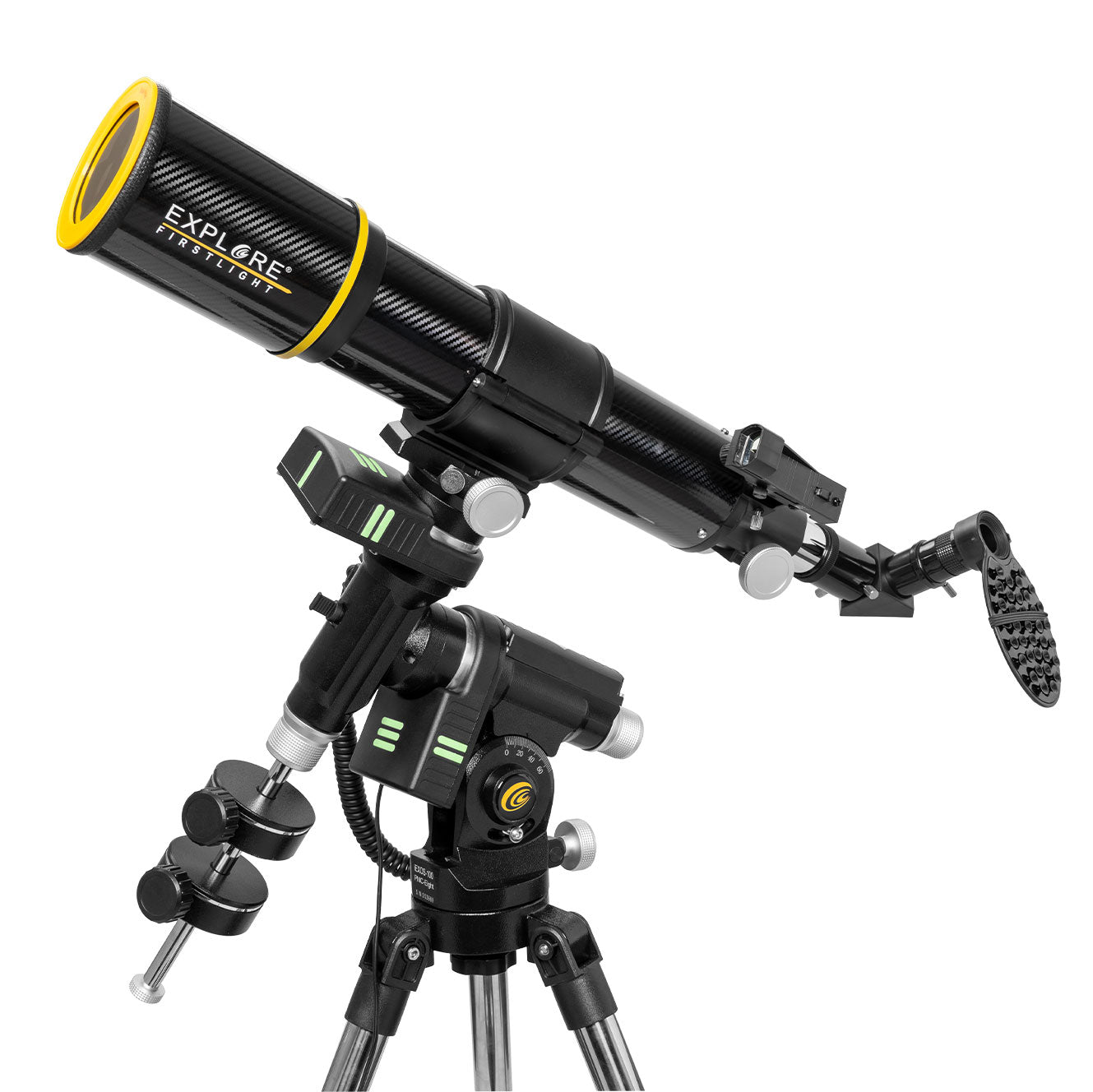
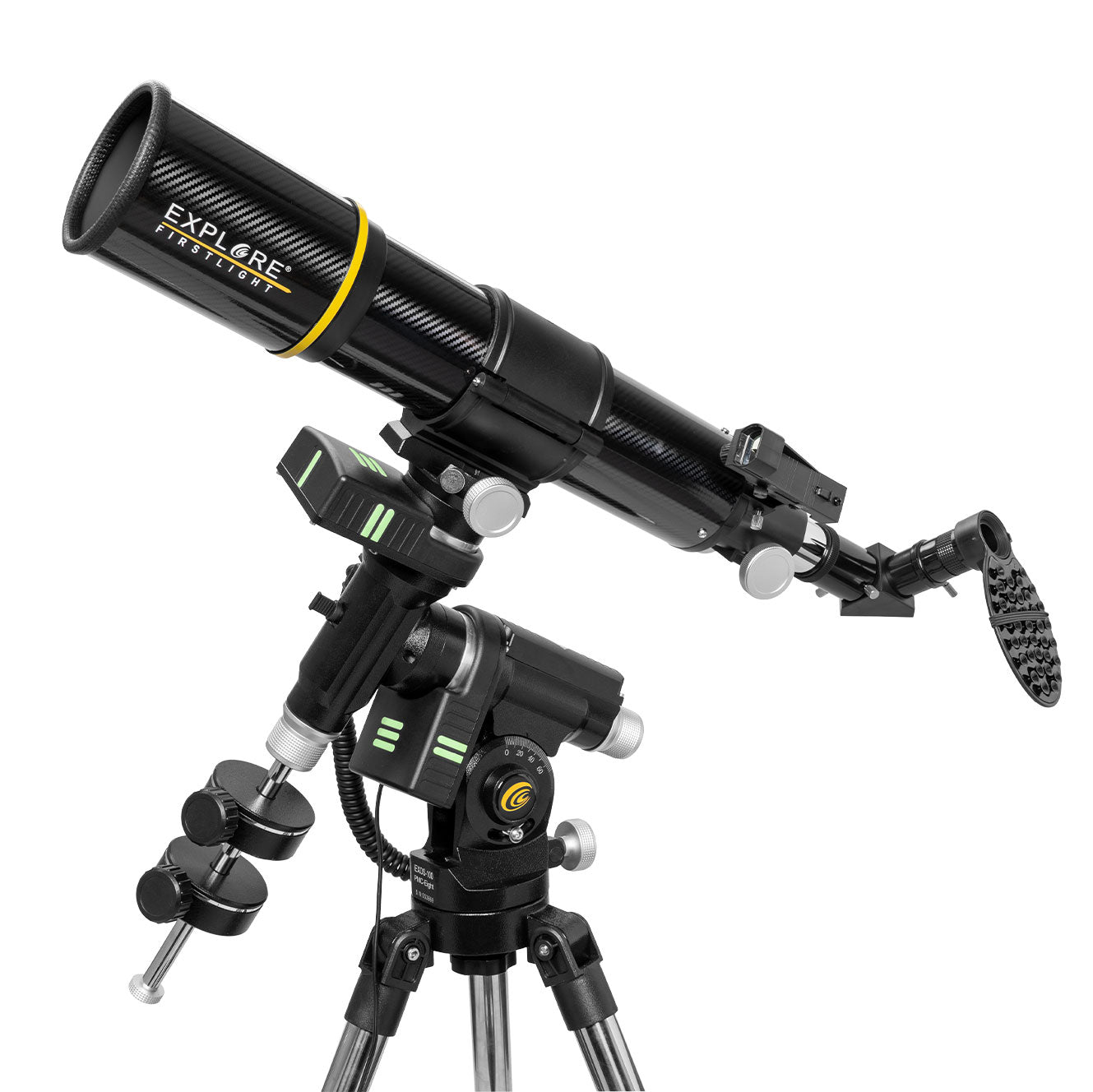
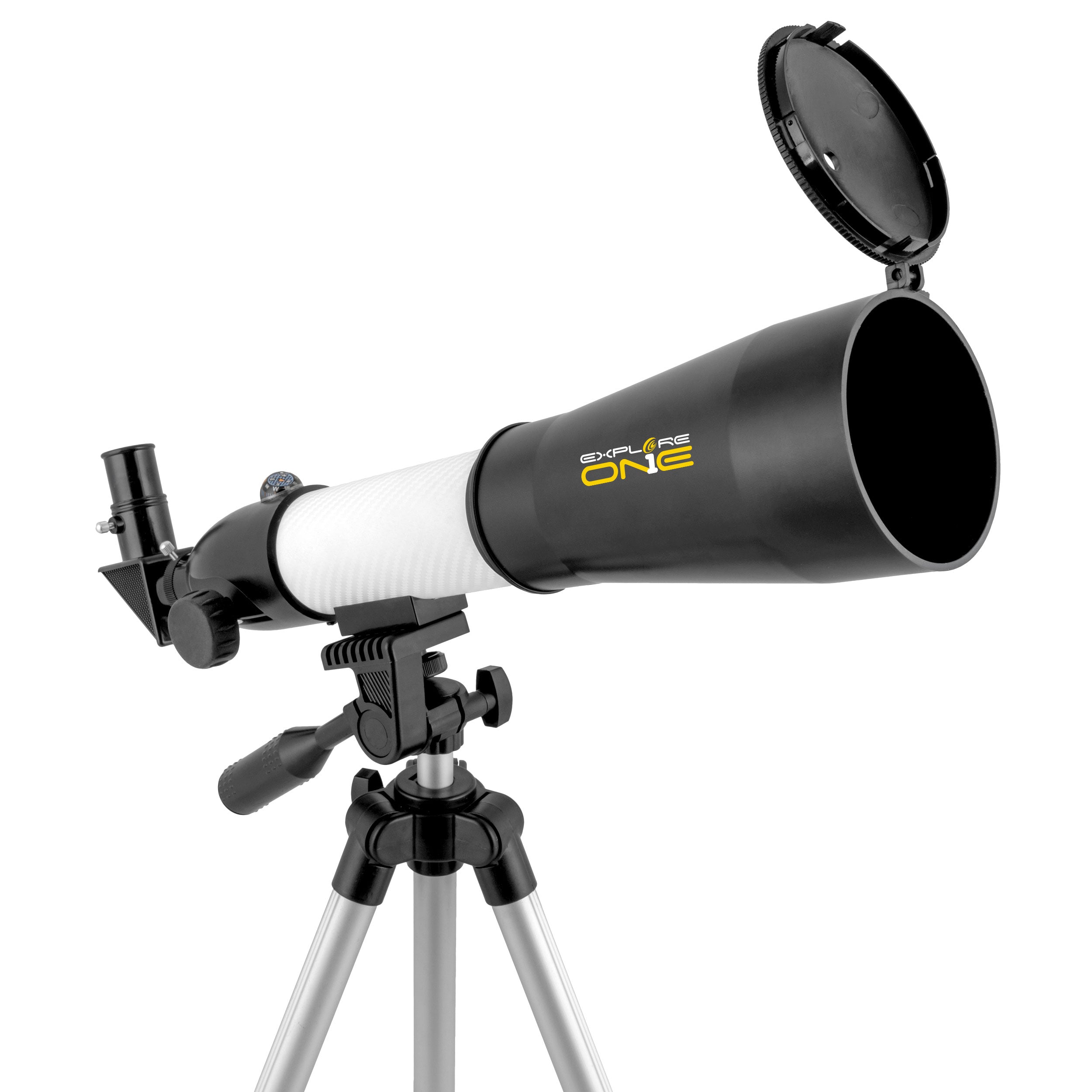
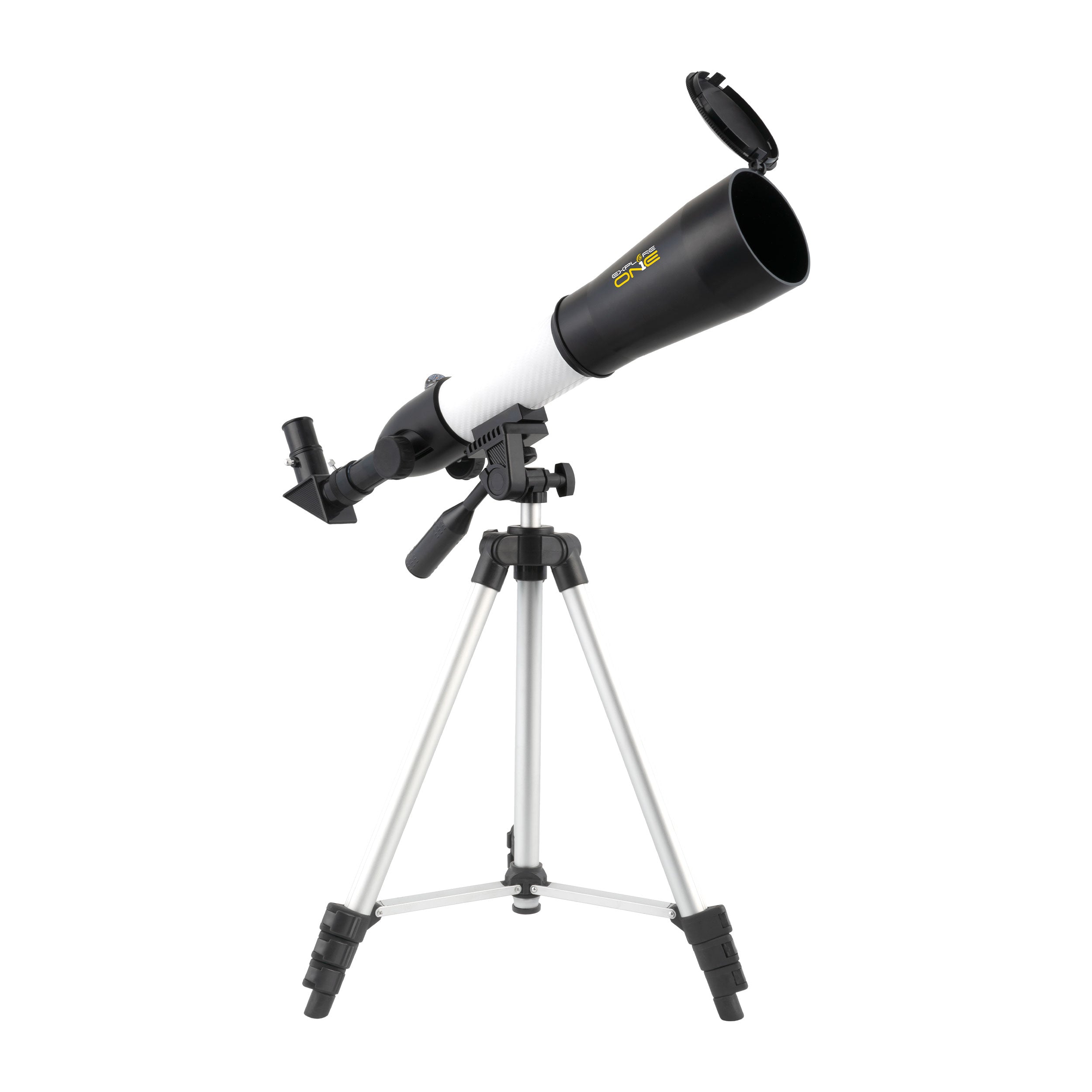
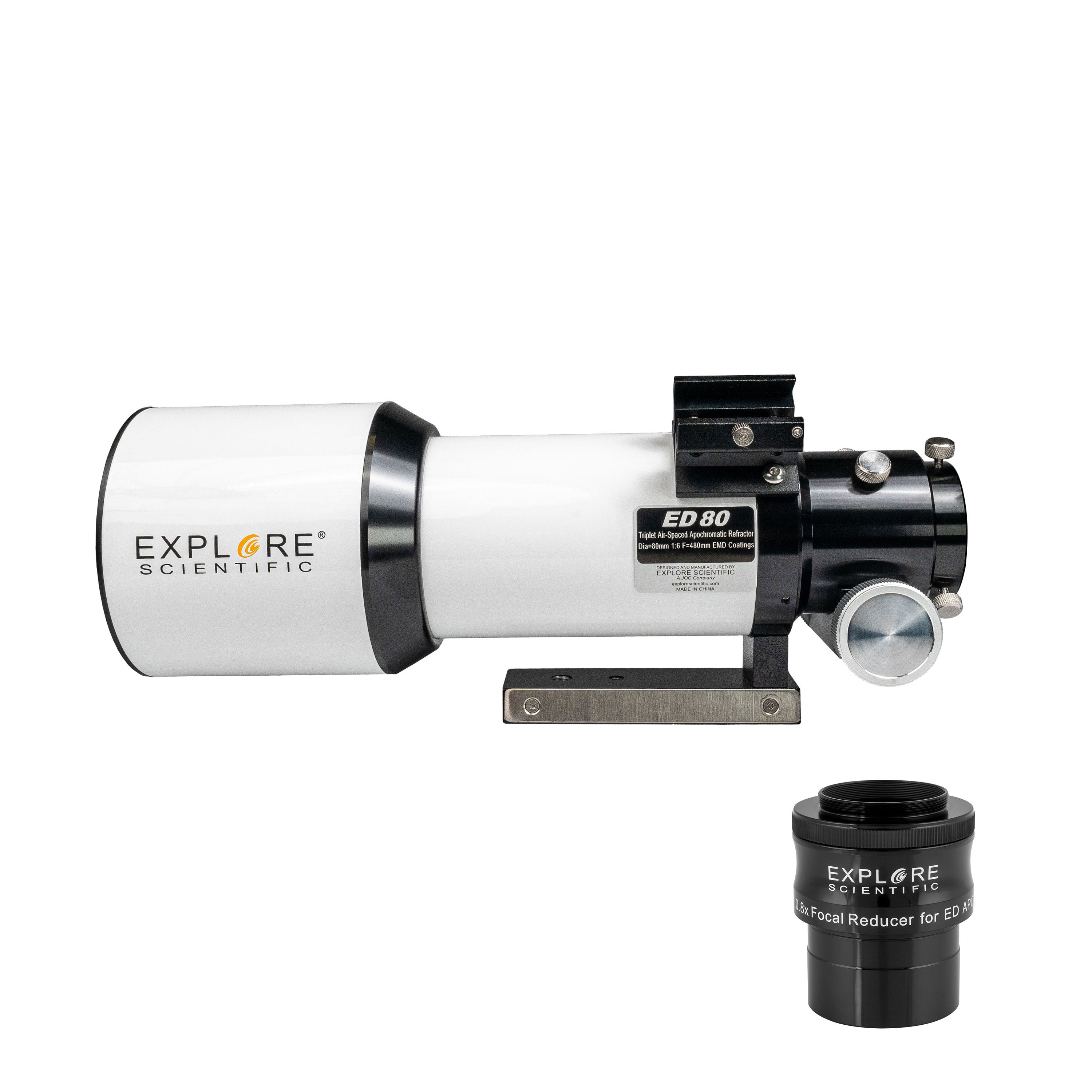
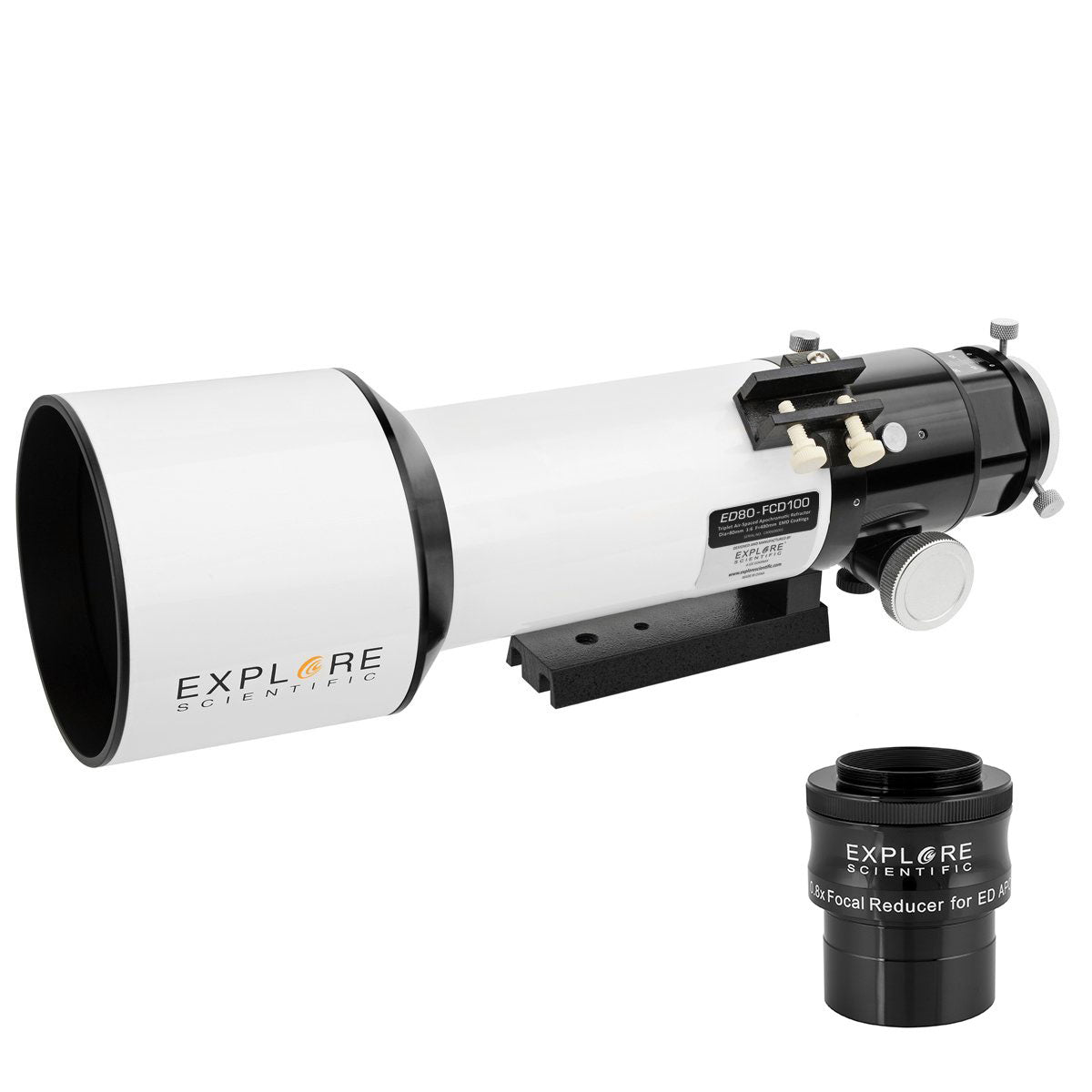
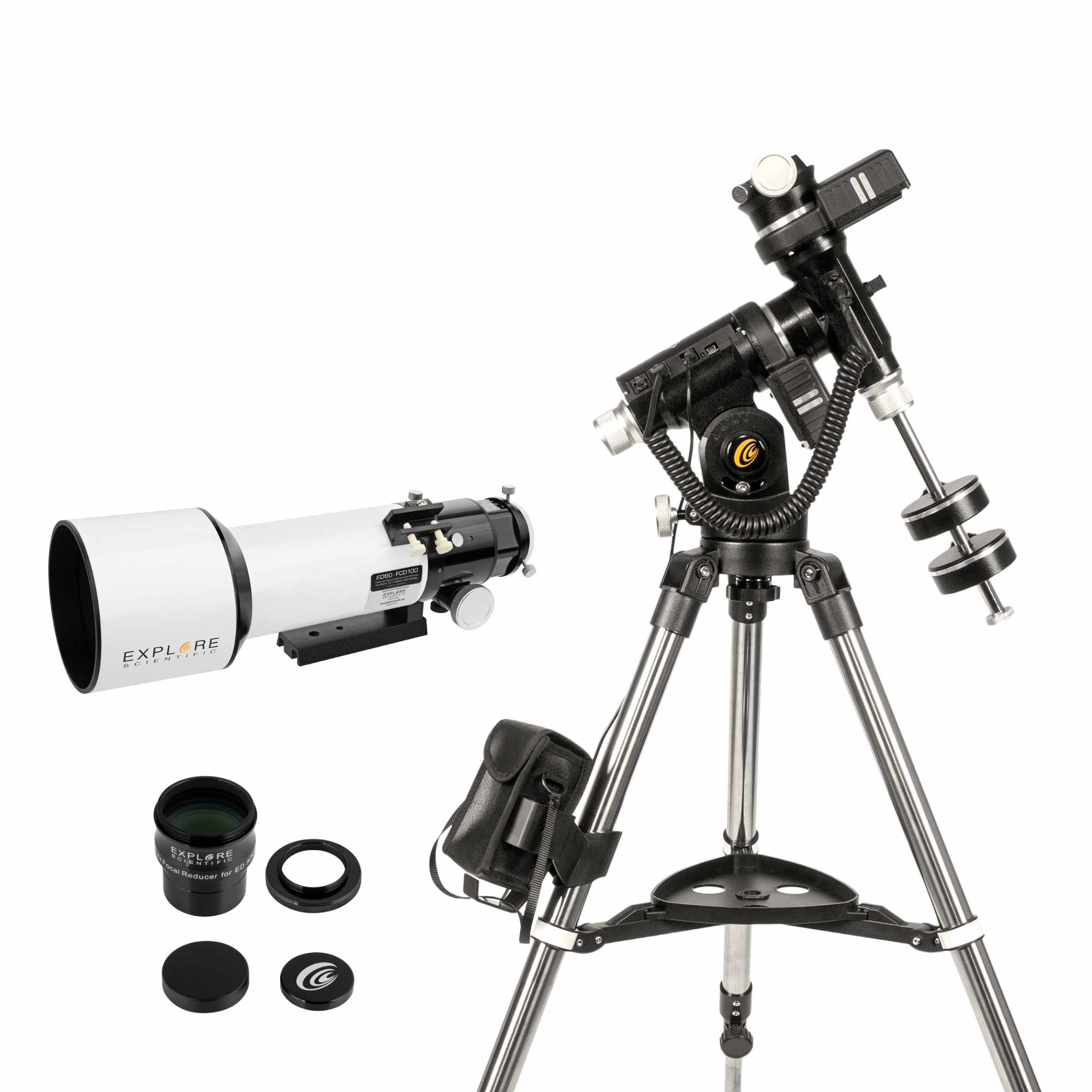
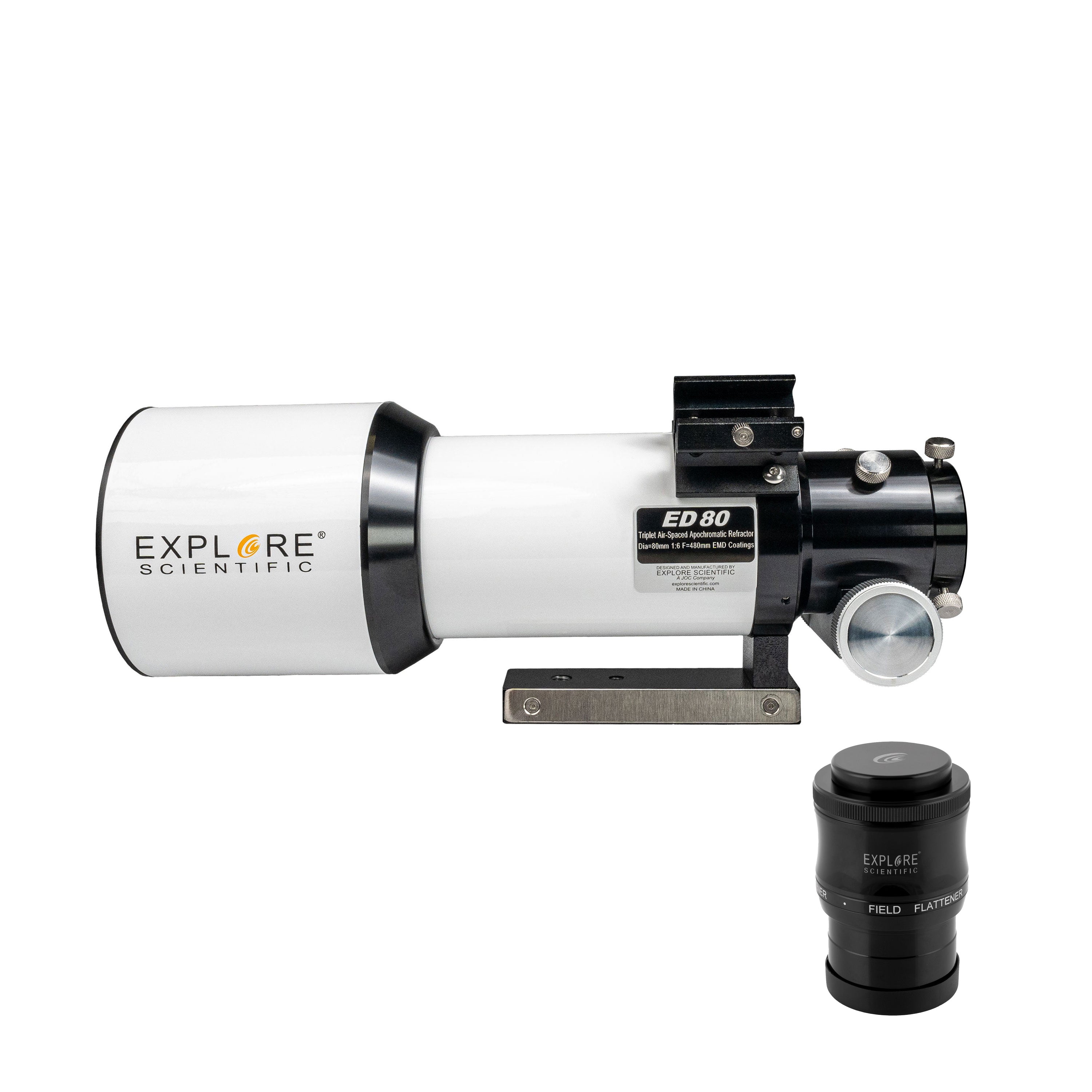
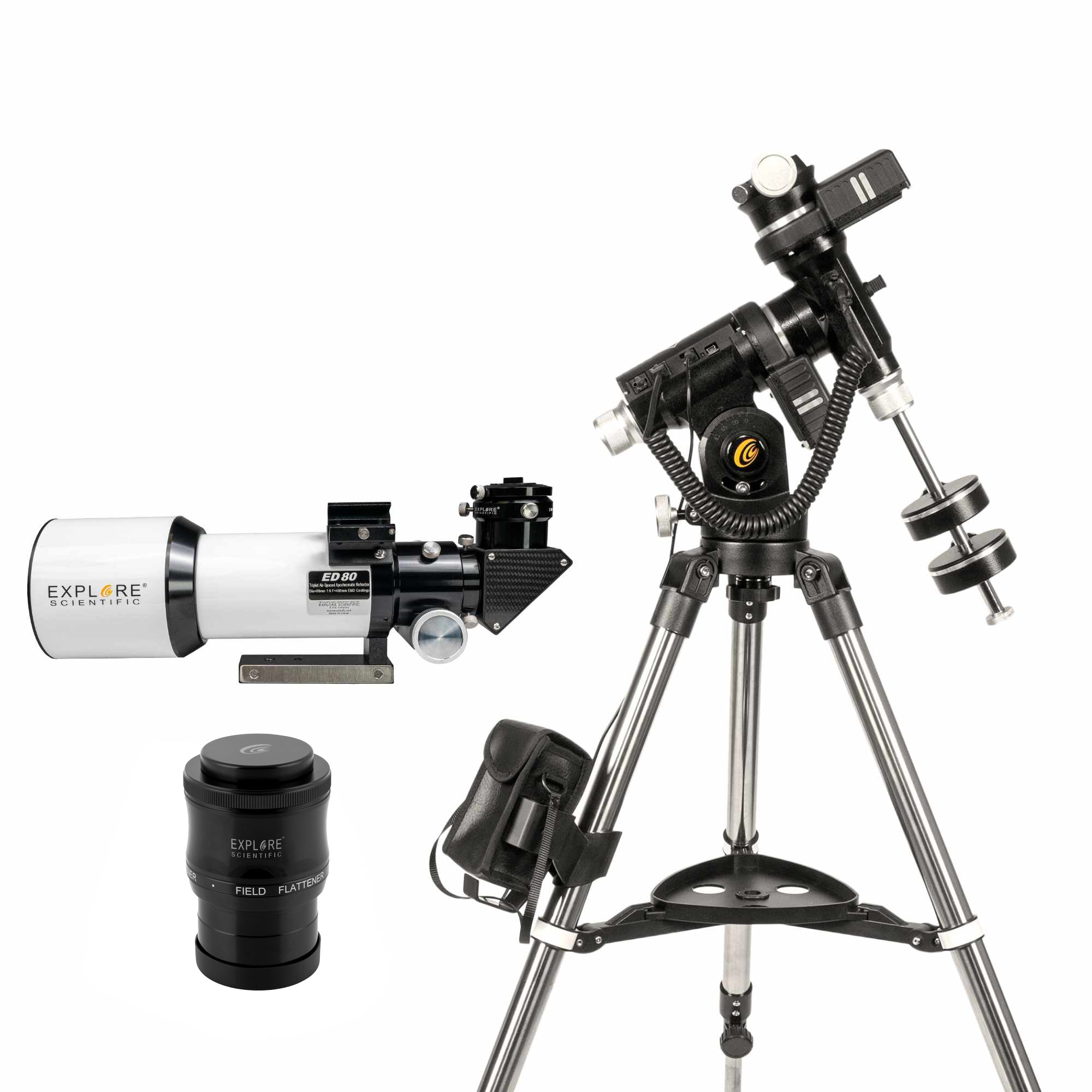
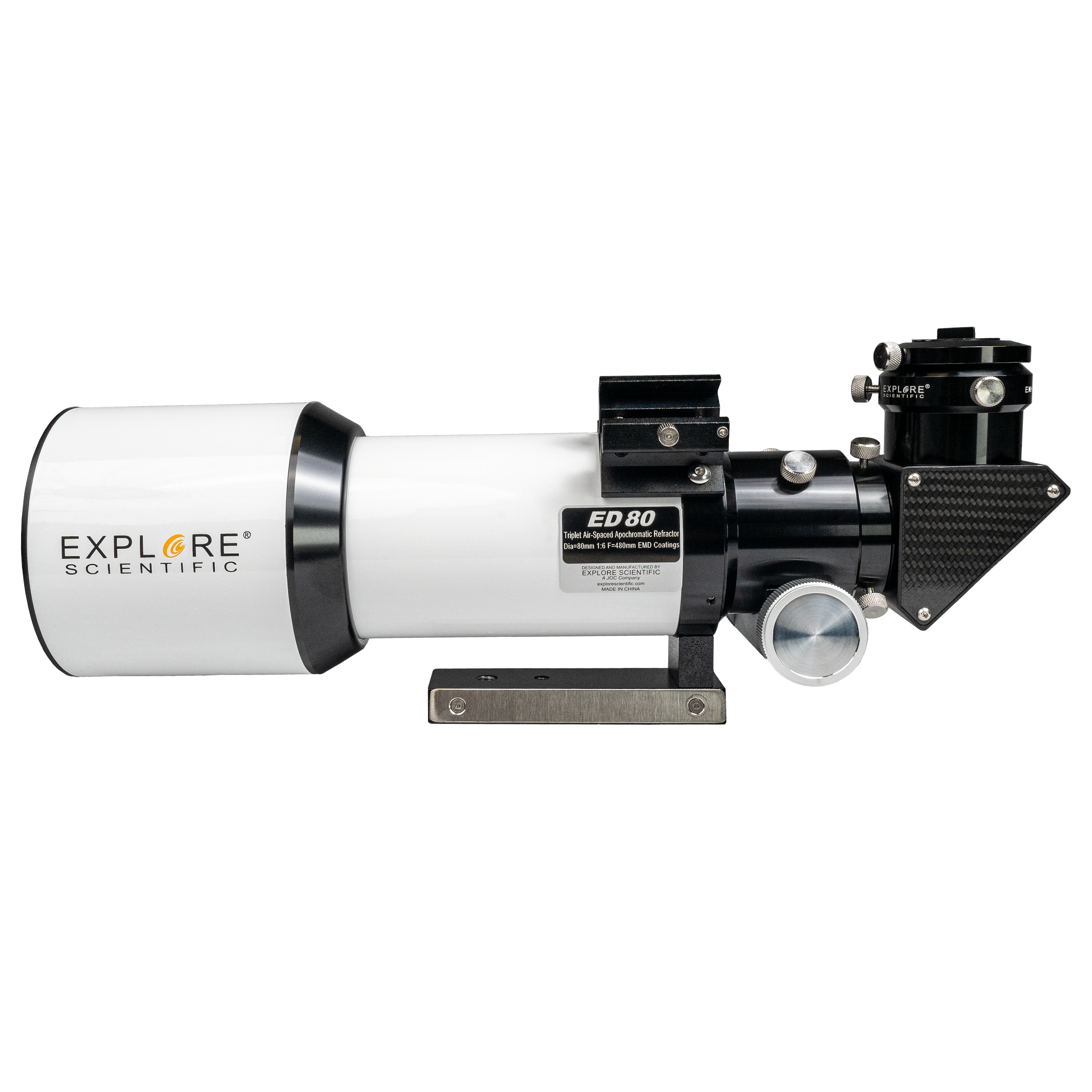
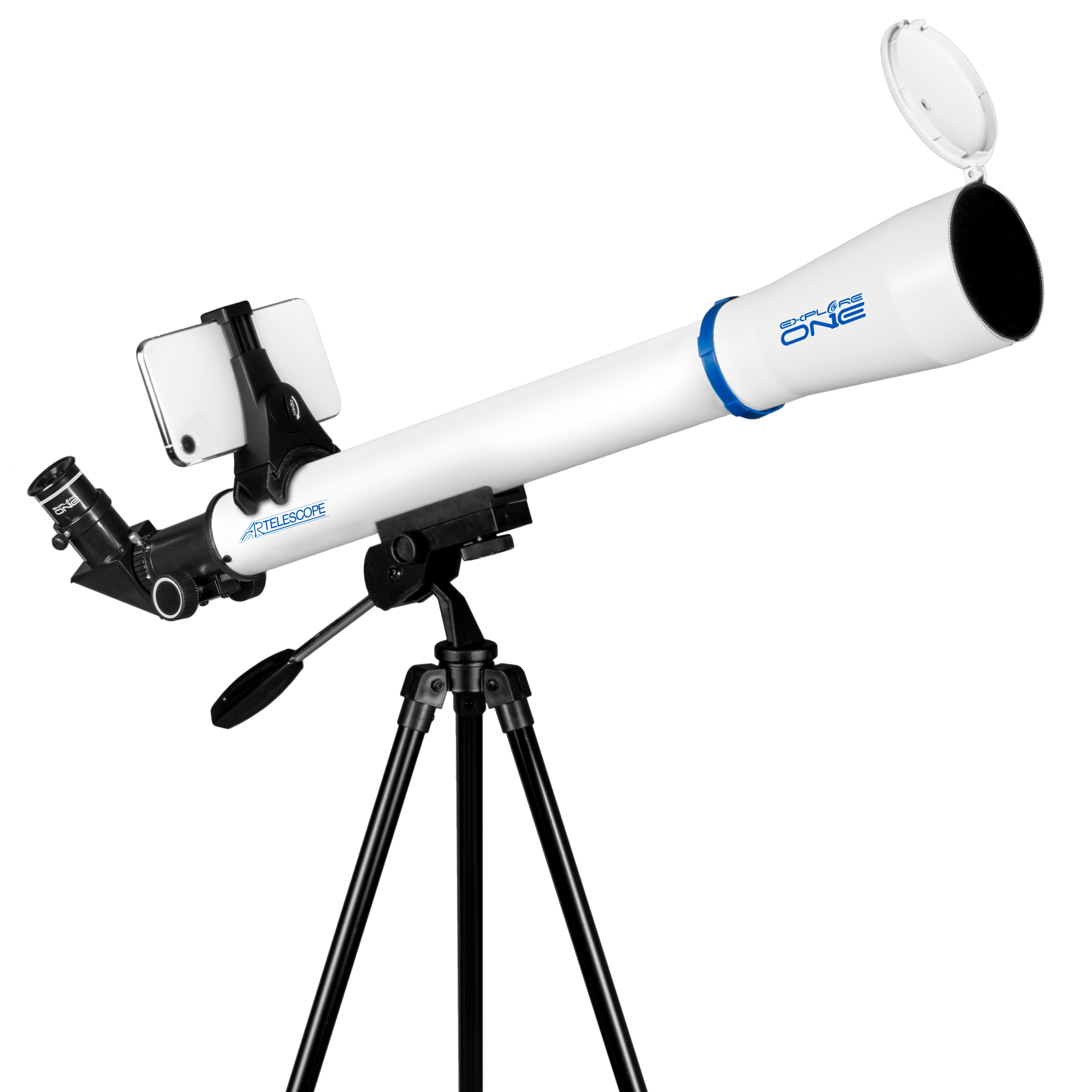
A refractor is a classic telescope design that uses a collection of lenses to gather and focus light. Explore Scientific’s broad selection of refracting telescopes includes apochromatic refractors ranging in aperture from 80mm to 165mm, achromatic telescopes perfect for astronomy outreach and beginner refractors that are great for backyard astronomy.
Filters
42 products
Explore Scientific Expert Tips
Find the Right Refractor Telescope for Your Observing Goals
Refractor telescopes are prized for their sharp image quality, reliable performance, and user-friendly design. From beginner-friendly models to advanced apochromatic refractors for astrophotography, these telescopes offer a versatile way to explore the Moon, planets, star clusters, and more. Browse the answers below to learn how refractor telescopes work, what makes them unique, and how to choose the right model for your astronomy goals.
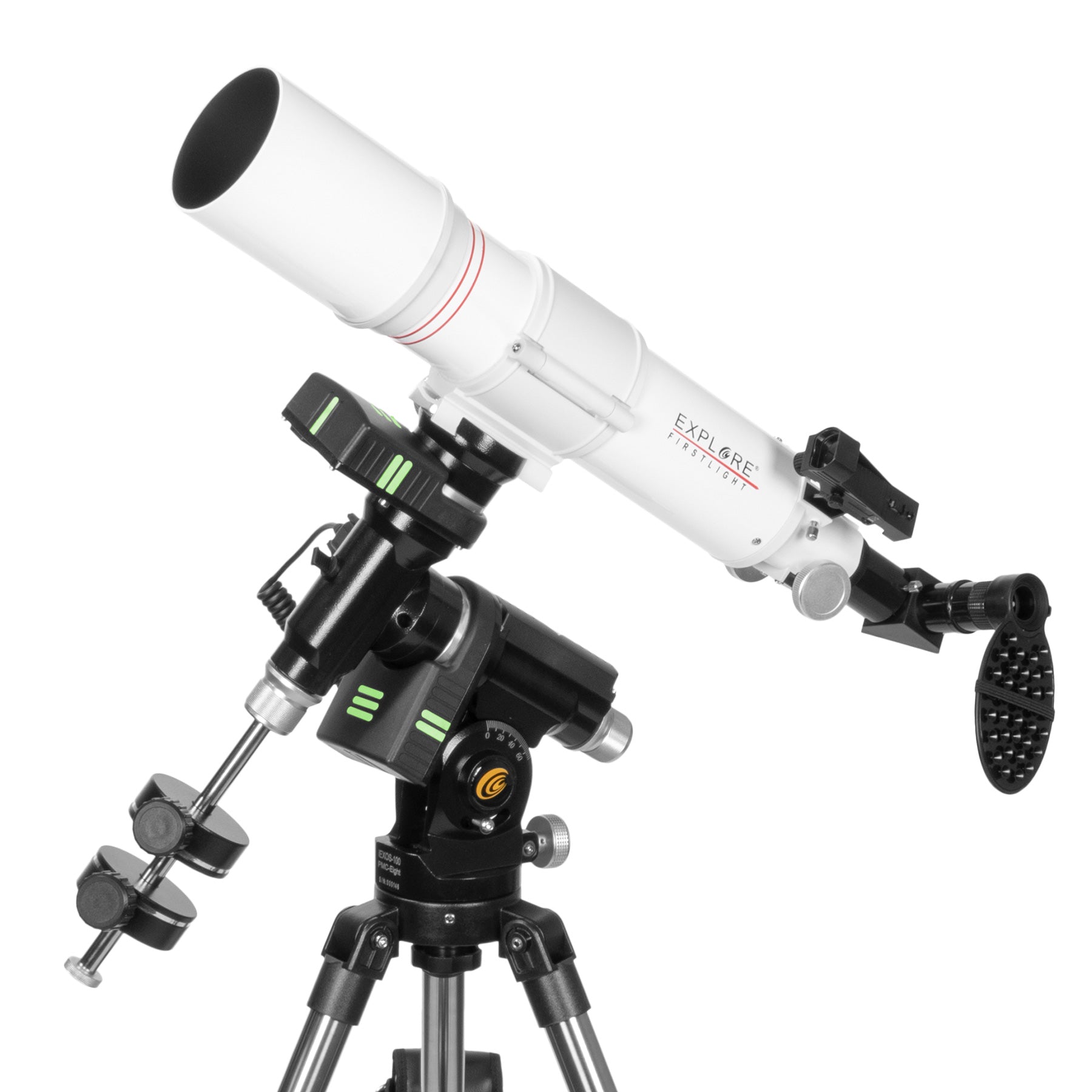
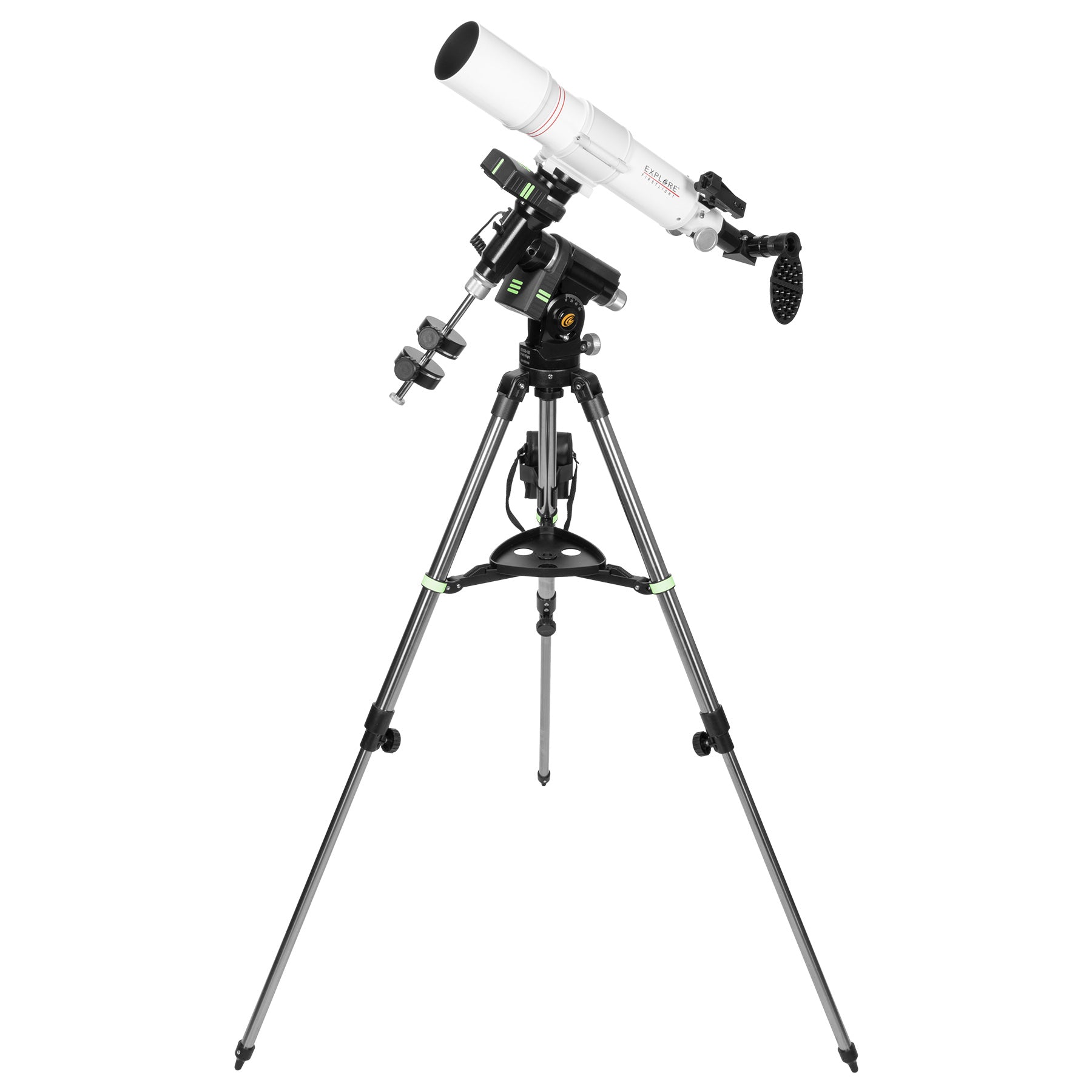
A refractor telescope uses lenses to gather and focus light. This classic telescope design is known for producing sharp, high-contrast images and requires very little maintenance because its optical components are permanently aligned inside a sealed tube.
Yes. Refractor telescopes are often considered one of the best telescopes for beginners because they are easy to set up, simple to use, and rarely require collimation (optical alignment). Many first-time astronomers choose a refractor for viewing the Moon, planets, and bright deep-sky objects.
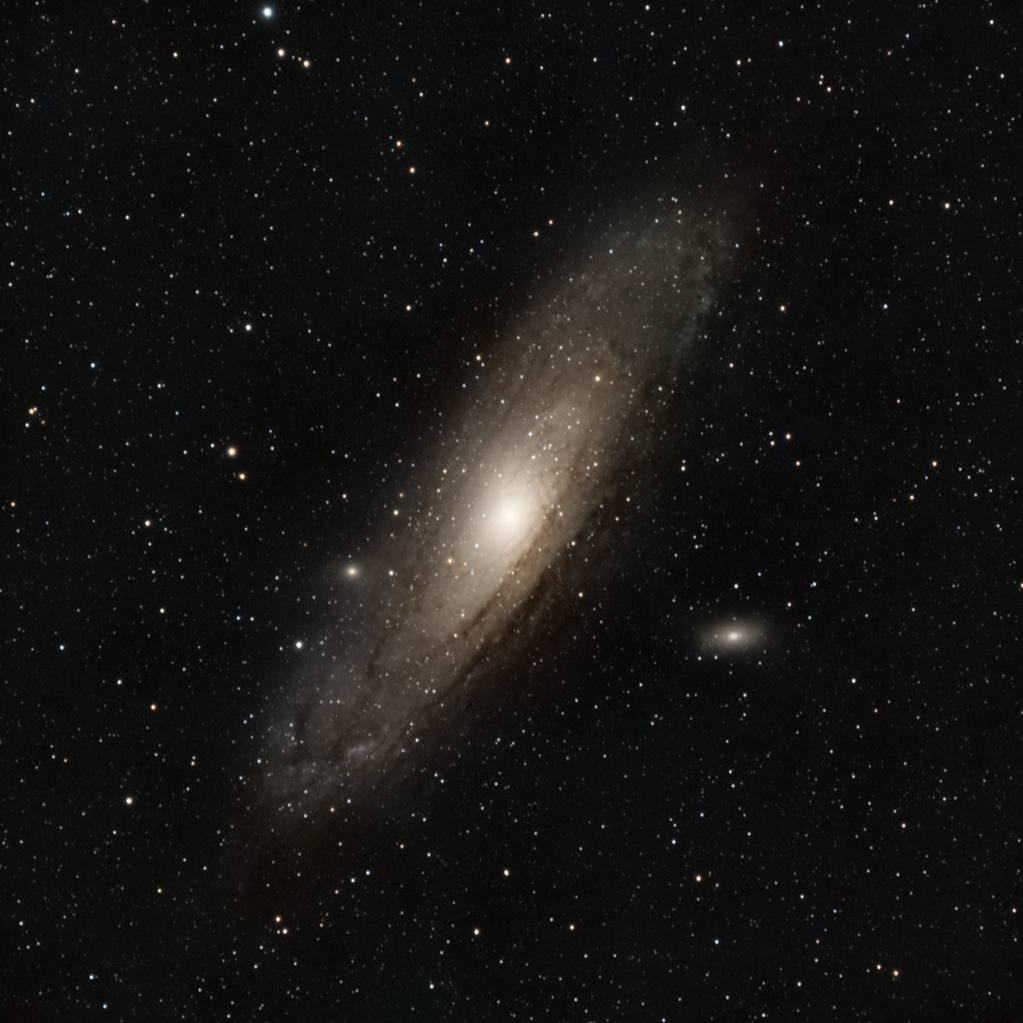
A quality refractor telescope can reveal lunar craters, Saturn's rings, Jupiter's cloud bands, Venus's phases, double stars, star clusters, and many brighter nebulae. Larger-aperture refractors can also provide impressive views of galaxies and other deep-sky objects.
Achromatic refractors use two lens elements to reduce color fringing and offer excellent value for visual observing. Apochromatic (APO) refractors use advanced glass and optical designs to provide superior color correction, making them highly desirable for astrophotography and high-resolution planetary viewing.
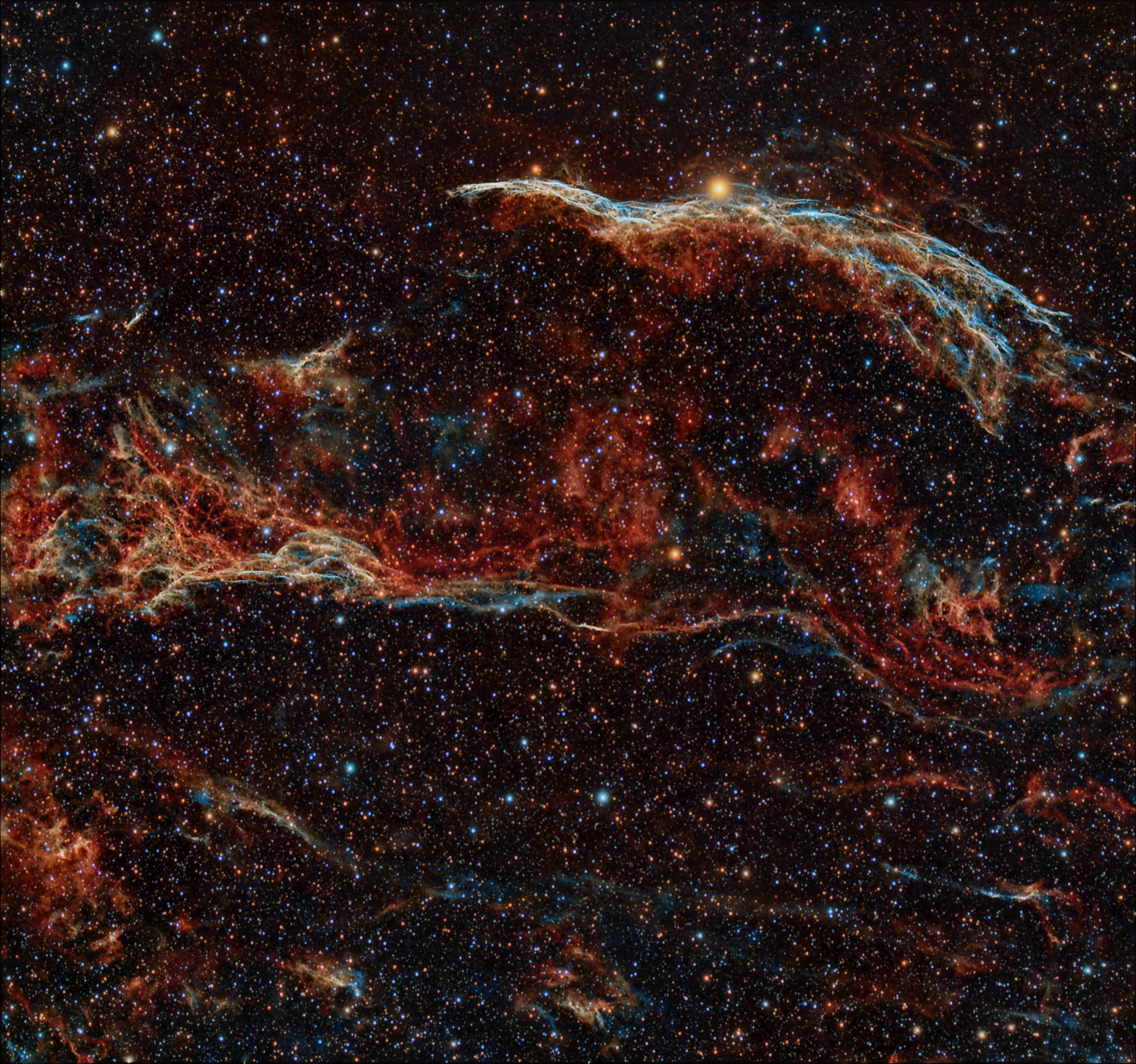
Yes. Many astrophotographers prefer apochromatic refractor telescopes because they deliver sharp stars, excellent color correction, and wide-field views. Refractors are especially popular for imaging nebulae, star clusters, and large deep-sky objects.
Refractor telescopes require very little maintenance compared to other telescope designs. Since the optics are enclosed, they stay cleaner and typically maintain alignment for years with minimal adjustment.
The ideal size depends on your goals. An 80mm to 102mm refractor is often a great choice for beginners and portable observing, while 127mm and larger refractors provide brighter views and greater detail for serious visual astronomy and astrophotography.
Refractors are widely regarded as excellent planetary telescopes because they produce high-contrast images. Their optical design can reveal fine details on planets such as Jupiter, Saturn, and Mars when atmospheric conditions are favorable.
Yes. Many refractor telescopes can be used for terrestrial viewing as well as astronomy. With the correct diagonal and eyepiece setup, they can provide detailed views of wildlife, landscapes, and distant objects.
Large precision lenses are difficult and costly to manufacture. As aperture increases, refractor telescopes become significantly more expensive than comparable reflector telescopes, but many observers value their image quality, durability, and ease of use.
Explore Scientific | Refractor Telescopes